
من أبين إلى الرئاسة.. عبد ربه منصور هادي ورحلة اليمن الأخطر في زمن العواصف – أخبار السعودية
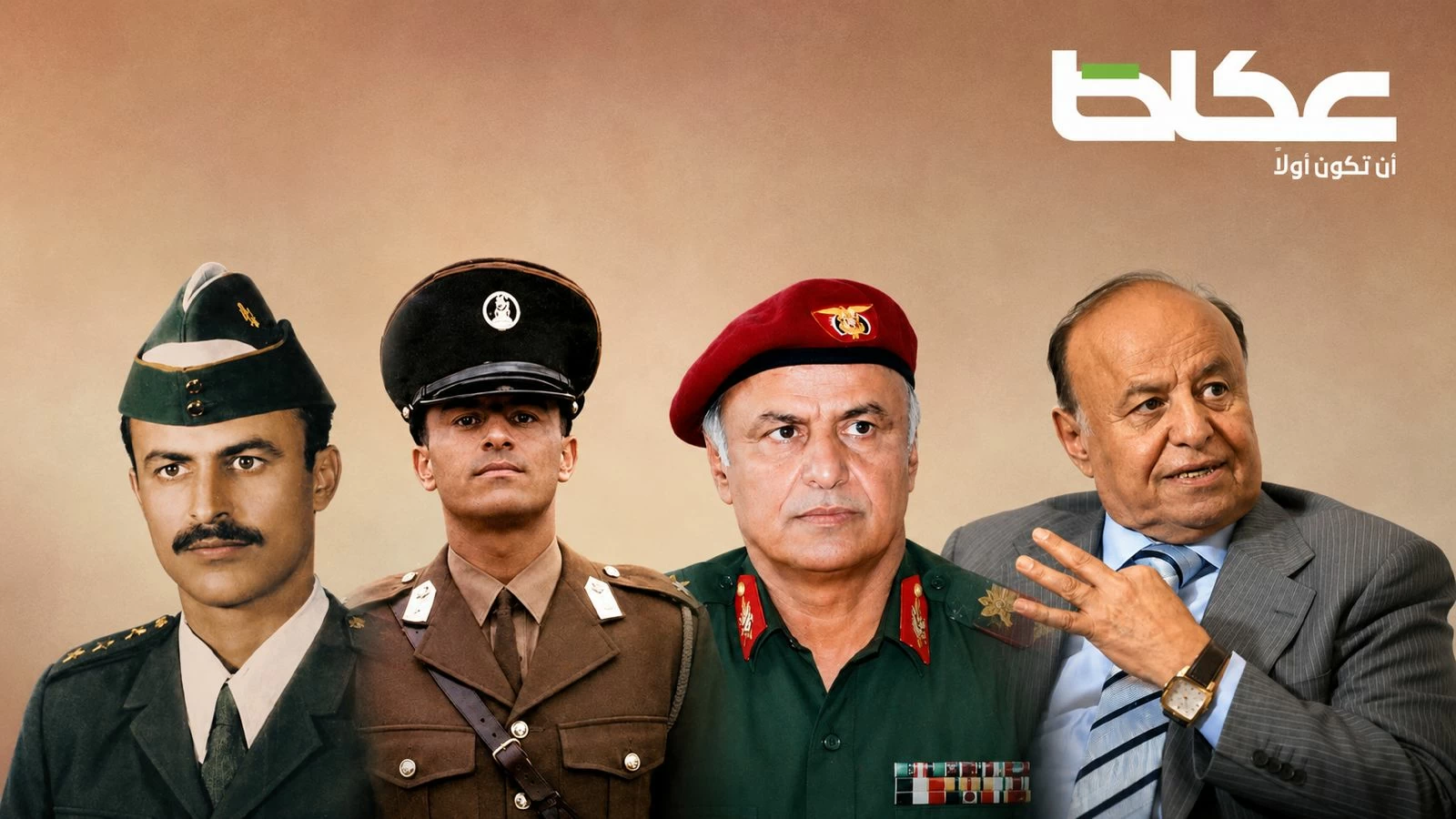

يعد الرئيس اليمني السابق عبد ربه منصور هادي، الذي غيبه الموت صباح اليوم (الخميس)، واحداً من أبرز الوجوه السياسية والعسكرية في تاريخ اليمن الحديث، بعدما قاد البلاد خلال مرحلة انتقالية معقّدة أعقبت أحداث 2011، وشهدت تحولات كبرى انتهت بانقلاب الحوثيين وإطلاق التحالف العربي عملية «عاصفة الحزم» دعماً للشرعية اليمنية.

ولد في قرية ذكين قبل 80 عاماً
وُلد هادي في الأول من سبتمبر عام 1945 بقرية ذكين التابعة لمديرية الوضيع بمحافظة أبين، في سلطنة الفضلي سابقاً، وبدأ مسيرته المهنية مبكراً عبر المؤسسة العسكرية، قبل أن يصقل خبراته في عدد من الأكاديميات الدولية المرموقة.

وتخرج هادي في أكاديمية ساندهيرست العسكرية الملكية البريطانية عام 1966، كما حصل على ماجستير العلوم العسكرية «سلاح الدبابات» من أكاديمية ناصر العسكرية في مصر عام 1970، ونال لاحقاً درجة الماجستير في القيادة العسكرية من أكاديمية فرونزا في الاتحاد السوفيتي السابق.

صعود عسكري وسياسي
شغل هادي مناصب عسكرية عدة، أبرزها قيادة محور البيضاء، وشارك في حرب صيف 1994، قبل أن يصدر قرار بتعيينه وزيراً للدفاع في مايو من العام ذاته.

وفي الثالث من أكتوبر 1994، اختاره الرئيس اليمني الراحل علي عبدالله صالح نائباً لرئيس الجمهورية خلفاً لعلي سالم البيض، ليبدأ مرحلة سياسية طويلة استمرت نحو 18 عاماً في منصب نائب الرئيس، بالتزامن مع صعوده داخل حزب المؤتمر الشعبي العام، إذ تولى منصب نائب رئيس الحزب ثم أمينه العام عام 2008.

مرشح توافقي بعد أحداث 2011
وبرز اسم هادي بقوة عقب أحداث 2011، حين توافق حزب المؤتمر الشعبي العام وتكتل اللقاء المشترك على ترشيحه رئيساً توافقياً بموجب المبادرة الخليجية.

وفي 21 فبراير 2012، جرت الانتخابات الرئاسية بمشاركة شعبية بلغت نحو 65%، قبل أن يؤدي اليمين الدستورية في 25 فبراير ويتسلم السلطة رسمياً بعد يومين، ليقود اليمن في مرحلة انتقالية شديدة التعقيد.

إعادة هيكلة الجيش والأمن
وخلال فترة حكمه، قاد هادي عملية واسعة لإعادة هيكلة الجيش والأجهزة الأمنية بهدف إنهاء الانقسام داخل المؤسسة العسكرية، عبر إقالة عدد من القادة العسكريين الموالين لمراكز القوى السابقة، وإعادة توزيع الوحدات العسكرية والأمنية على أسس وصفها بـ«الوطنية والحيادية».

انقلاب الحوثيين ومنعطف السقوط
وشهدت فترة حكمه أخطر منعطفاتها في 21 سبتمبر 2014 عقب اقتحام الحوثيين العاصمة صنعاء والسيطرة على مؤسسات الدولة، قبل أن تتفاقم الأزمة في يناير 2015 بمحاصرة القصر الرئاسي وفرض الإقامة الجبرية عليه.

ودفع ذلك هادي إلى تقديم استقالته لمجلس النواب في 22 يناير 2015، غير أن الحوثيين عطّلوا البرلمان وأعلنوا ما سُمي بـ«الإعلان الدستوري»، قبل أن يتمكن في 21 فبراير من كسر الإقامة الجبرية والانتقال إلى العاصمة المؤقتة عدن.
وأعلن حينها سحب استقالته، والتمسك بالمبادرة الخليجية، معتبراً كل الإجراءات منذ اجتياح صنعاء باطلة، وداعياً المجتمع الدولي للتدخل لحماية العملية السياسية.

«عاصفة الحزم» ومغادرة المشهد
وفي 26 مارس 2015، أطلق التحالف العربي بقيادة المملكة العربية السعودية عملية «عاصفة الحزم» دعماً للشرعية اليمنية، بناءً على طلب رسمي من هادي.
واستمر الرئيس اليمني السابق في ممارسة مهماته من مقر إقامته في الرياض، ومن العاصمة المؤقتة عدن خلال بعض الفترات، حتى أعلن في 7 أبريل 2022 تشكيل مجلس القيادة الرئاسي برئاسة الدكتور رشاد العليمي وعضوية 7 أعضاء، مفوضاً المجلس بكامل صلاحياته الرئاسية.
وبذلك أسدل هادي الستار على مسيرة سياسية امتدت لعقود، قاد خلالها اليمن في واحدة من أكثر مراحله السياسية والعسكرية تعقيداً.
The former Yemeni president Abd-Rabbu Mansour Hadi, who passed away this morning (Thursday), is one of the most prominent political and military figures in the modern history of Yemen, having led the country during a complex transitional phase that followed the events of 2011, witnessing major transformations that ended with the Houthi coup and the launch of the Arab coalition’s “Operation Decisive Storm” in support of Yemeni legitimacy.
Born in the village of Dhakin 80 years ago
Hadi was born on September 1, 1945, in the village of Dhakin, which belongs to the Al-Wadiah district in Abyan Governorate, in the former Fadhli Sultanate. He began his professional career early through the military institution, before honing his skills at several prestigious international academies.
Hadi graduated from the Royal Military Academy Sandhurst in the UK in 1966, and obtained a Master’s degree in military sciences “Armored Corps” from Nasser Military Academy in Egypt in 1970. He later earned a Master’s degree in military leadership from the Frunze Military Academy in the former Soviet Union.
Military and Political Rise
Hadi held several military positions, most notably commanding the Al-Bayda axis, and participated in the summer war of 1994, before a decision was made to appoint him Minister of Defense in May of the same year.
On October 3, 1994, the late Yemeni president Ali Abdullah Saleh appointed him as Vice President, succeeding Ali Salem Al-Baidh, marking the beginning of a long political phase that lasted nearly 18 years in the position of Vice President, coinciding with his rise within the General People’s Congress party, where he held the position of Deputy Chairman and then Secretary-General in 2008.
Consensus Candidate After the Events of 2011
Hadi’s name emerged strongly after the events of 2011, when the General People’s Congress party and the Joint Meeting Parties agreed to nominate him as a consensus president under the Gulf Initiative.

On February 21, 2012, presidential elections were held with a popular participation of about 65%, before he took the constitutional oath on February 25 and officially assumed power two days later, leading Yemen through a highly complex transitional phase.
Restructuring the Army and Security
During his rule, Hadi led a wide-ranging process to restructure the army and security agencies aimed at ending the division within the military institution, by dismissing several military leaders loyal to previous power centers and redistributing military and security units on what he described as “national and neutral” bases.
The Houthi Coup and the Turning Point of Collapse
His rule witnessed its most dangerous turning point on September 21, 2014, following the Houthis’ storming of the capital, Sana’a, and their control over state institutions, before the crisis escalated in January 2015 with the siege of the presidential palace and imposing house arrest on him.
This prompted Hadi to submit his resignation to the House of Representatives on January 22, 2015, but the Houthis disrupted the parliament and announced what was called the “constitutional declaration,” before he managed to break the house arrest on February 21 and move to the temporary capital, Aden.
At that time, he announced the withdrawal of his resignation and his commitment to the Gulf Initiative, considering all measures taken since the invasion of Sana’a as invalid, and calling on the international community to intervene to protect the political process.
“Operation Decisive Storm” and Leaving the Scene
On March 26, 2015, the Arab coalition led by Saudi Arabia launched “Operation Decisive Storm” in support of Yemeni legitimacy, based on an official request from Hadi.
The former Yemeni president continued to perform his duties from his residence in Riyadh and from the temporary capital Aden during some periods, until he announced on April 7, 2022, the formation of the Presidential Leadership Council headed by Dr. Rashad Al-Alimi and consisting of 7 members, delegating the council with full presidential powers.
Thus, Hadi closed the curtain on a political career that spanned decades, during which he led Yemen through one of its most complex political and military phases.
تعليقات