
إنفاق قياسي بـ 119 مليار دولار.. هل العالم على أعتاب مواجهة نووية؟ – أخبار السعودية
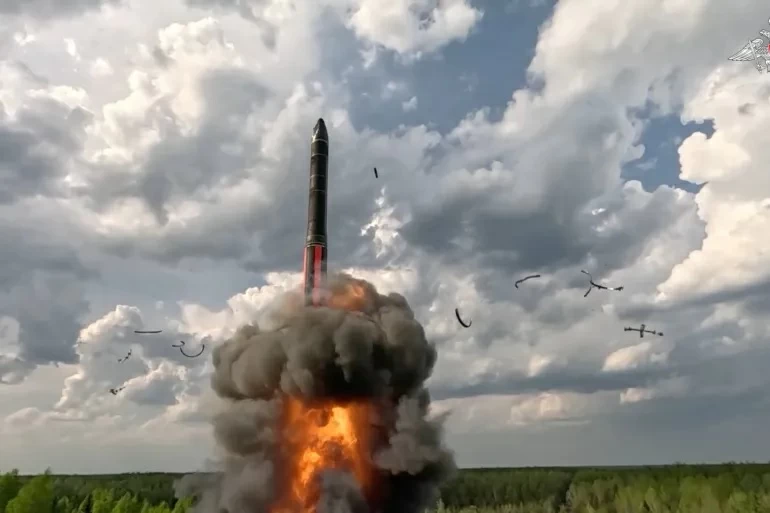

على خلفية تصاعد التوترات الجيوسياسية، حذّر تقرير دولي من «سباق تسلح نووي جديد يلوح في الأفق»، بعدما زادت القوى النووية إنفاقها على ترساناتها بمستوى قياسي بلغ نحو 119 مليار دولار العام الماضي.
توقعات بنمو الإنفاق في المستقبل
وأفصح تقرير أصدرته عن «الحملة الدولية للقضاء على الأسلحة النووية»، اليوم الثلاثاء، أن 9 دول هي: الولايات المتحدة وروسيا والصين والمملكة المتحدة وفرنسا والهند وإسرائيل وباكستان وكوريا الشمالية، أنفقت نحو 17 مليار دولار إضافية على ترساناتها العام الماضي، بزيادة 19% عن عام 2024، متوقعا أن يستمر هذا الاتجاه لعقود.
وحسب التقرير، أنفقت واشنطن 69.2 مليار على الأسلحة النووية عام 2025، بزيادة 12.4 مليار عن العام السابق، متفوقة على الدول الأخرى مجتمعة، وتلتها الصين التي أنفقت 13.5 مليار دولار العام الماضي، ثم بريطانيا بـ12.6 مليار، وروسيا بـ9.5 مليار.
وكشفت المنظمة أن الدول التسع أنفقت على مدى السنوات الخمس الماضية أكثر من 470 مليار دولار على ترساناتها، متوقعة أن تنمو هذه الاستثمارات في المستقبل.
وسلطت الضوء على أرقام من بريطانيا وفرنسا والولايات المتحدة تُظهر خططا لإنفاق مليارات الدولارات لتطوير أنظمة الأسلحة هذه وصيانتها حتى القرن القادم.

الذكاء الاصطناعي يؤجج الخطر
وذكر التقرير أن الصواريخ الباليستية العابرة للقارات من طراز «سنتينل» المستقبلية التي تخطط الولايات المتحدة لإطلاقها، ستبقى في الخدمة إلى ما بعد عام 2100، في حين أن الرؤوس الحربية النووية ستحافظ على صلاحيتها حتى عام 2120، استنادا إلى زيادة الإنتاج الأمريكي من النوى الذرية للبلوتونيوم.
واعتبرت المسؤولة في المنظمة سوزي سنايدر أن زيادة الإنفاق على الترسانات النووية، إلى جانب المخاوف من إمكان أن يزيد الذكاء الاصطناعي خطر استخدام الأسلحة النووية، أمر مثير للقلق للغاية.
ولفتت إلى أن «ما أنفقته هذه الدول عام 2025 كان يمكن أن يغطي 32 عاما من ميزانية تشغيل الأمم المتحدة»، مضيفة أن إنفاق يوم واحد على الأسلحة النووية في العام الماضي كان يمكن أن يوفر الأمن الغذائي لأكثر من مليونيْ شخص.
وأفادت بأنه «بدلا من تقديم المساعدة أو ضمان الخدمات الأساسية مثل الرعاية الصحية لمواطنيها، كانت الدول المسلحة نوويا تستثمر في ترسانة تعلم هي نفسها أنها لا تستطيع استخدامها دون ارتكاب جريمة حرب».
مبالغ ضخمة وأرقام صادمة
في غضون ذلك، اعتبر باحثون من «معهد ستوكهولم الدولي لأبحاث السلام» (سيبري) شاركوا في وضع التقرير، أن المبالغ الضخمة التي تُنفق صادمة، خصوصا في وقت يعاني فيه النظام الإنساني العالمي من تخفيضات تمويلية كبيرة.
ويأتي التقرير بعد تحذير «معهد ستوكهولم الدولي لأبحاث السلام» من أن البلدان المسلّحة نوويا تُخرج أسلحتها من المخازن وتنشرها على أنظمة الإطلاق، في وقت بات فيه لأسلحة الدمار الشامل دور متزايد في السياسات العالمية.
وقال مدير «سيبري» كريم حجّاج إن «الأمر الأكثر إثارة للقلق هو أنه رغم تراجع كميّات الأسلحة النووية، فإن مستوى المخاطر النووية والتهديدات النووية يتزايد».
وعدّد حجّاج قائمة من المؤشرات المقلقة من بينها انهيار أنظمة ضبط الأسلحة الإستراتيجية -مثل الاتفاقيات الدولية- والتنافس بين القوى الكبرى المسلحة نوويا.
أعداد الرؤوس النووية
وتملك قوى العالم ما يقدر مجموعه بـ12187 رأسا حربيا، يوجد نحو 9745 منها داخل المخازن في انتظار استخدامها.
وتمتلك الولايات المتحدة وروسيا معا نحو 83% من مخزون العالم من الأسلحة النووية، مع امتلاك كل منهما أكثر من 5000 رأس نووي.
أما الصين، فتوسّع ترسانتها النووية بمعدل أسرع من أي دولة أخرى، ويقدّر «معهد ستوكهولم الدولي لأبحاث السلام» أنها تملك حاليا 620 رأسا حربيا.
وبناء على الطريقة التي تنوي الصين من خلالها هيكلة قوّاتها، قد يساوي عدد الصواريخ الباليستية العابرة للقارات التي تملكها مخزون كل من الولايات المتحدة وروسيا بحلول عام 2030.
Amid rising geopolitical tensions, an international report warned of a “new nuclear arms race looming on the horizon,” as nuclear powers increased their spending on arsenals to a record level of about $119 billion last year.
Future Spending Growth Projections
A report released by the “International Campaign to Abolish Nuclear Weapons” today, Tuesday, revealed that 9 countries—namely the United States, Russia, China, the United Kingdom, France, India, Israel, Pakistan, and North Korea—spent approximately $17 billion more on their arsenals last year, marking a 19% increase from 2024, with expectations that this trend will continue for decades.
According to the report, Washington spent $69.2 billion on nuclear weapons in 2025, an increase of $12.4 billion from the previous year, surpassing the combined spending of other countries. China followed with $13.5 billion spent last year, then the UK with $12.6 billion, and Russia with $9.5 billion.
The organization revealed that the nine countries have spent over $470 billion on their arsenals over the past five years, predicting that these investments will grow in the future.
It highlighted figures from the UK, France, and the United States showing plans to spend billions of dollars to develop and maintain these weapon systems well into the next century.
Artificial Intelligence Fuels Danger
The report noted that the future intercontinental ballistic missiles of the “Sentinel” class that the United States plans to launch will remain in service beyond 2100, while nuclear warheads will maintain their viability until 2120, based on the increase in U.S. production of plutonium cores.
Suzy Snyder, an official at the organization, considered the increase in spending on nuclear arsenals, alongside concerns that artificial intelligence could heighten the risk of nuclear weapon use, to be extremely alarming.
She pointed out that “what these countries spent in 2025 could have covered 32 years of the United Nations’ operating budget,” adding that one day’s spending on nuclear weapons last year could have provided food security for more than two million people.
She reported that “instead of providing assistance or ensuring basic services like healthcare for their citizens, nuclear-armed states were investing in arsenals they themselves know they cannot use without committing a war crime.”
Huge Amounts and Shocking Figures
Meanwhile, researchers from the “Stockholm International Peace Research Institute” (SIPRI) who participated in the report considered the massive amounts being spent to be shocking, especially at a time when the global humanitarian system is suffering from significant funding cuts.
The report follows a warning from SIPRI that nuclear-armed countries are taking their weapons out of storage and deploying them on launch systems, at a time when weapons of mass destruction are playing an increasingly significant role in global politics.
SIPRI Director Karim Hajji stated, “The most concerning thing is that despite the reduction in the quantities of nuclear weapons, the level of nuclear risks and threats is increasing.”
Hajji listed a series of alarming indicators, including the collapse of strategic arms control systems—such as international agreements—and competition among major nuclear-armed powers.
Nuclear Warhead Numbers
The world’s powers possess an estimated total of 12,187 warheads, with about 9,745 of them in storage awaiting use.
The United States and Russia together hold about 83% of the world’s nuclear weapons stockpile, with each possessing over 5,000 nuclear warheads.
China, on the other hand, is expanding its nuclear arsenal at a faster rate than any other country, with SIPRI estimating that it currently has 620 warheads.
Based on the way China intends to structure its forces, the number of intercontinental ballistic missiles it possesses could equal the stockpiles of both the United States and Russia by 2030.
تعليقات