
ثقافة الترحال في تجربة ريم الفيصل – أخبار السعودية

تعد الصورة الفوتوغرافية، في جوهرها، تأملاً فلسفياً في هشاشة الزمن؛ فهي الروح التي تحفظ أزمنة السلم، والصرخة التي تفضح قسوة الحروب، وهي ليست مجرد انعكاس بصري للحظة عابرة، بل محاولة عميقة لاحتجاز الزمن، وإنقاذ المعنى من التبدد. ولعل الحضارات القديمة لم تترك لنا سوى ما استطاعت العين أن تحفظه والروح أن تؤوّله؛ لذلك ظل التصوير الفوتوغرافي أحد أكثر الفنون التصاقاً بالذاكرة الإنسانية، وأشدّها قدرة على استنطاق التاريخ، وإعادة بثّ الحياة في صمت الأمكنة.
ومن بين أكثر التجارب التصاقاً بفكرة «ثقافة الترحال»، تبرز أعمال الرحالة والمستشرقين الذين حملوا عدساتهم كما يحمل الشعراء دفاترهم؛ يوثقون المدن، ويتأملون وجوه الناس، ويلتقطون نبض الحضارات وهي تعبر الزمن. فالصورة ليست مجرد مشهد، بل لغة كونية لا تحتاج إلى ترجمان، تختصر الحكايات والأزياء والطقوس وأحلام البشر، وتمنح اللحظة العابرة حياة أخرى لا يطالها الفناء. ولهذا اكتسبت الصورة مكانتها بوصفها وثيقة بصرية ذات مصداقية عالية، حتى قيل في الحكمة الصينية القديمة: «الصورة الواحدة خير من ألف كلمة»، لأنّ الضوء أحياناً يقول ما تعجز اللغة عن البوح به.
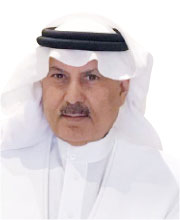
في هذا الأفق الرحب تتجلى تجربة الأميرة ريم محمد الفيصل، بوصفها أول سيدة سعودية رائدة في التصوير الفوتوغرافي الفني في المملكة العربية السعودية والخليج العربي، وتمتلك في مشوارها مع فن التصوير الفوتوغرافي أكثر من 30 عاماً من الدُربة الطويلة.
وبخصوص معرضها «أرض الحجيج والشعراء»، المقام حالياً في «مساحة وصل» الفنية بمدينة جدة منذ 30 أبريل، ويستمر حتى 25 مايو الحالي، قالت الأميرة في حديثها للصحافة إنها وعبر الحجيج القادمين إلى السعودية، تمكنت من التعرف على ثقافاتهم وتقاليدهم، وملامح وجوههم وألوانهم. وأضافت أنّ تجربتها بمثابة رحلة في الحضارة الإنسانية وتاريخ البشرية خلال موسم الحج، وأنّ اختيارها عنوان المعرض «أرض الحجيج والشعراء» يعود إلى الحضارة القديمة في الجزيرة العربية؛ فمن خلال اطلاعها وقراءاتها الشعرية لاحظت أنّ هناك ارتباطاً وثيقاً بين الإنسان والبيئة، وهناك نسق متناغم يربط الإنسان بالترحال والطبيعة والجبال، فما من موضع مميز ولا صحراء، أو وادٍ أو جبل، إلا وتم ذكره ووصفه في القصائد الشعرية، أو من خلال القصص التي ربطت الطبيعة والإنسان بالتركيبة المكانية، كما هو الحال في موسم الحج.
لم تكن الصورة مجرد توثيق لشعائر الحج، بل رحلة إلى الجوهر الإنساني، ومحاولة لاكتشاف المعنى الروحي الكامن خلف حركة تفاعل الجموع، وتلك اللحظة التي يذوب فيها الفرد في الكل، وتتماهى الهويات في بياض الإحرام وصفاء الروح.
استطاعت ريم الفيصل أن تمنح الحج بُعداً بصرياً يتجاوز الطقس الديني إلى أفق إنساني وشعري أكثر رحابة؛ فعدستها لا تلاحق المشهد فقط، بل تُنصت إليه، وتقرأ ما وراء الظلال والوجوه والخطوات. ولهذا بدت صورها وكأنها قصائد مكتوبة بالضوء؛ تتداخل فيها الروحانية بالشعر، والهوية العربية بالتأمل الوجودي العميق.
ويأتي توثيقها موسم الحج في مقدمة تجليات تجربتها الفنية؛ ففي صورها تتألق السكينة كأنها ابتهال بصري، ويغدو مشهد الحشود البشرية نوعاً من التناغم الكوني المهيب أمام مشهد الخيام في موسم الحج، فيتداعى في عدستها وكأنه لوحة تجريدية ضخمة، تنطق بالنظام والروحانية والرهبة الإنسانية العميقة.
ولم يكن غريباً أن تحظى هذه التجربة الثرية باعترافات دولية ومحلية، تُوّجت بحصولها على وسام فيلق الشرف الوطني الفرنسي «ليجيون دونور» عام 2009، في تكريم يتجاوز الإنجاز الفردي إلى الاعتراف بالدور الحضاري والثقافي الذي أصبحت المرأة السعودية تؤديه بثقة واقتدار، في ظل التحولات الكبرى التي صنعتها رؤية المملكة 2030، والتي أعادت تفعيل الحضور النسائي في المشهد الثقافي والفني.
لقد نجحت الأميرة ريم الفيصل في تحرير الصورة من جمود اللقطة التقليدية، وصاغت من أعمالها سردية حضارية نابضة بالروح والإنسان. فهي لا تلتقط المكان باعتباره جغرافيا صامتة، بل بوصفه كائناً حيّاً يختزن الذاكرة والتاريخ والانفعالات البشرية. ومن هنا يسطع البعد الإنساني في تجربتها، خصوصاً في اهتمامها بالقضايا العربية، حين أقامت معرضها الفني في مركز السكاكيني الثقافي بمدينة رام الله؛ هناك حيث تتكئ الأرض على ذاكرة مثقلة بالألم والجمال والحضارة الإنسانية.
وفي أسفارها الفنية المتعددة، ظلّت ريم الفيصل تُوسع أفق الفن البصري السعودي، مانحة عدستها للعمارة الإسلامية التاريخية، ولتفاصيل الحياة اليومية في مجتمعات مختلفة، في تماهٍ عميق مع فكرة الترحال بوصفه اكتشافاً للذات قبل اكتشاف الآخر. لقد كانت تسافر لتلتقط الإنسان في لحظته الأكثر صدقاً، ولتؤكد أنّ الفن الحقيقي لا يعترف بالحدود، بل ينتمي إلى المشترك الإنساني الأوسع.
ولعل أكثر ما يميّز أعمالها ذلك الولع بالأبيض والأسود؛ حيث التباين الذي يشبه الحياة نفسها، حين يتجاور النور والعتمة، والحضور والغياب، والفناء والخلود. فهي لا تستخدم اللون بقدر ما تستخدم الإحساس، ولذلك يشعر المتأمل في صورها أنه لا ينظر إلى مشهد خارجي، بل يعبر إلى داخله الشخصي، إلى ذاكرته وأسئلته وتأملاته الخاصة، وبالتالي ترفض ربط هذا الخيار الفني بالحنين أو النوستالجيا، مؤكدة أنّ علاقتها بالأبيض والأسود لم تكن محاولة لاستعادة الماضي، بل كانت بحثاً عن التحكم في الظل والنور.
إنّ الصورة عند ريم الفيصل محاولة لكتابة التاريخ بمداد الضوء. إنها لحظة التقاء العين الثاقبة بروح الخيال، حيث يتحول الزمن إلى أثر، ويتحول الإنسان إلى حكاية خالدة. ولذلك فإنّ تجربتها تتجاوز حدود التصوير الفوتوغرافي، لتغدو مشروعاً ثقافياً وإنسانياً يعلّمنا كيف يمكن للصورة أن تكون وطناً للذاكرة، ولغة للجمال، ومرآة للروح.
The photograph, in its essence, is a philosophical contemplation on the fragility of time; it is the spirit that preserves the times of peace, the cry that exposes the brutality of wars, and it is not merely a visual reflection of a fleeting moment, but a profound attempt to capture time and save meaning from dispersion. Perhaps ancient civilizations left us only what the eye could preserve and the soul could interpret; therefore, photography has remained one of the arts most closely tied to human memory, and one of the most capable of articulating history and reviving life in the silence of places.
Among the most significant experiences related to the idea of “the culture of travel,” the works of travelers and Orientalists stand out, who carried their lenses as poets carry their notebooks; documenting cities, contemplating the faces of people, and capturing the pulse of civilizations as they traverse time. The image is not just a scene, but a universal language that does not require a translator, encapsulating stories, fashions, rituals, and human dreams, granting the fleeting moment another life untouched by oblivion. This is why the image has gained its status as a highly credible visual document, to the extent that it was said in ancient Chinese wisdom: “A single image is worth a thousand words,” because light sometimes conveys what language cannot express.
In this vast horizon, the experience of Princess Reem Mohammed Al-Faisal emerges as the first pioneering Saudi woman in artistic photography in the Kingdom of Saudi Arabia and the Gulf region, with over 30 years of extensive experience in the field of photography.
Regarding her exhibition “The Land of Pilgrims and Poets,” currently held at the “Wasl Space” art venue in Jeddah since April 30 and continuing until May 25, the princess stated in her conversation with the press that through the pilgrims coming to Saudi Arabia, she was able to learn about their cultures and traditions, the features of their faces, and their colors. She added that her experience is akin to a journey through human civilization and the history of humanity during the Hajj season, and that her choice of the exhibition title “The Land of Pilgrims and Poets” relates to the ancient civilization of the Arabian Peninsula; through her readings and poetic insights, she noticed a close connection between humans and their environment, and a harmonious pattern linking humans with travel, nature, and mountains. There is no distinguished place, desert, valley, or mountain that has not been mentioned and described in poetic verses or through stories that connect nature and humans with the spatial composition, as is the case during the Hajj season.
The image was not merely a documentation of the rituals of Hajj, but a journey into the human essence, an attempt to discover the spiritual meaning behind the interaction of the masses, and that moment when the individual dissolves into the whole, and identities merge in the whiteness of the Ihram and the purity of the spirit.
Reem Al-Faisal was able to grant Hajj a visual dimension that transcends the religious rite to a broader human and poetic horizon; her lens does not just chase the scene, but listens to it, reading what lies beyond the shadows, faces, and footsteps. Thus, her images appear as if they are poems written in light; intertwining spirituality with poetry, and Arab identity with deep existential contemplation.
Her documentation of the Hajj season stands at the forefront of her artistic experience; in her images, tranquility shines as if it were a visual invocation, and the scene of the human crowds becomes a kind of majestic cosmic harmony in front of the scene of tents during the Hajj season, collapsing in her lens as if it were a massive abstract painting, speaking of order, spirituality, and profound human awe.
It was not surprising that this rich experience received international and local recognition, culminating in her receiving the French National Order of the Legion of Honor in 2009, an honor that transcends individual achievement to acknowledge the cultural and civilizational role that Saudi women have confidently and competently taken on, amid the major transformations brought about by the Kingdom’s Vision 2030, which has revitalized the presence of women in the cultural and artistic scene.
Princess Reem Al-Faisal succeeded in liberating the image from the rigidity of the traditional shot, crafting from her works a vibrant civilizational narrative filled with spirit and humanity. She does not capture the place as a silent geography, but as a living entity that holds memory, history, and human emotions. From here, the human dimension in her experience shines, especially in her attention to Arab issues, when she held her art exhibition at the Sakakini Cultural Center in Ramallah; there, where the land leans on a memory burdened with pain, beauty, and human civilization.
In her various artistic travels, Reem Al-Faisal has continued to expand the horizon of Saudi visual art, offering her lens to historical Islamic architecture and the details of daily life in different communities, in a deep merging with the idea of travel as a discovery of the self before discovering the other. She traveled to capture humans in their most authentic moments, affirming that true art does not recognize borders, but belongs to the broader human commonality.
Perhaps what most distinguishes her works is that passion for black and white; where the contrast resembles life itself, when light and darkness, presence and absence, mortality and eternity coexist. She does not use color as much as she uses feeling, which is why the observer of her images feels that they are not looking at an external scene, but rather crossing into their personal interior, to their memories, questions, and personal reflections, thus rejecting the association of this artistic choice with nostalgia, affirming that her relationship with black and white was not an attempt to reclaim the past, but a search for control over shadow and light.
For Reem Al-Faisal, the image is an attempt to write history in the ink of light. It is the moment when the discerning eye meets the spirit of imagination, where time transforms into a trace, and the human becomes an eternal story. Therefore, her experience transcends the boundaries of photography, becoming a cultural and human project that teaches us how the image can be a homeland for memory, a language of beauty, and a mirror for the soul.
تعليقات