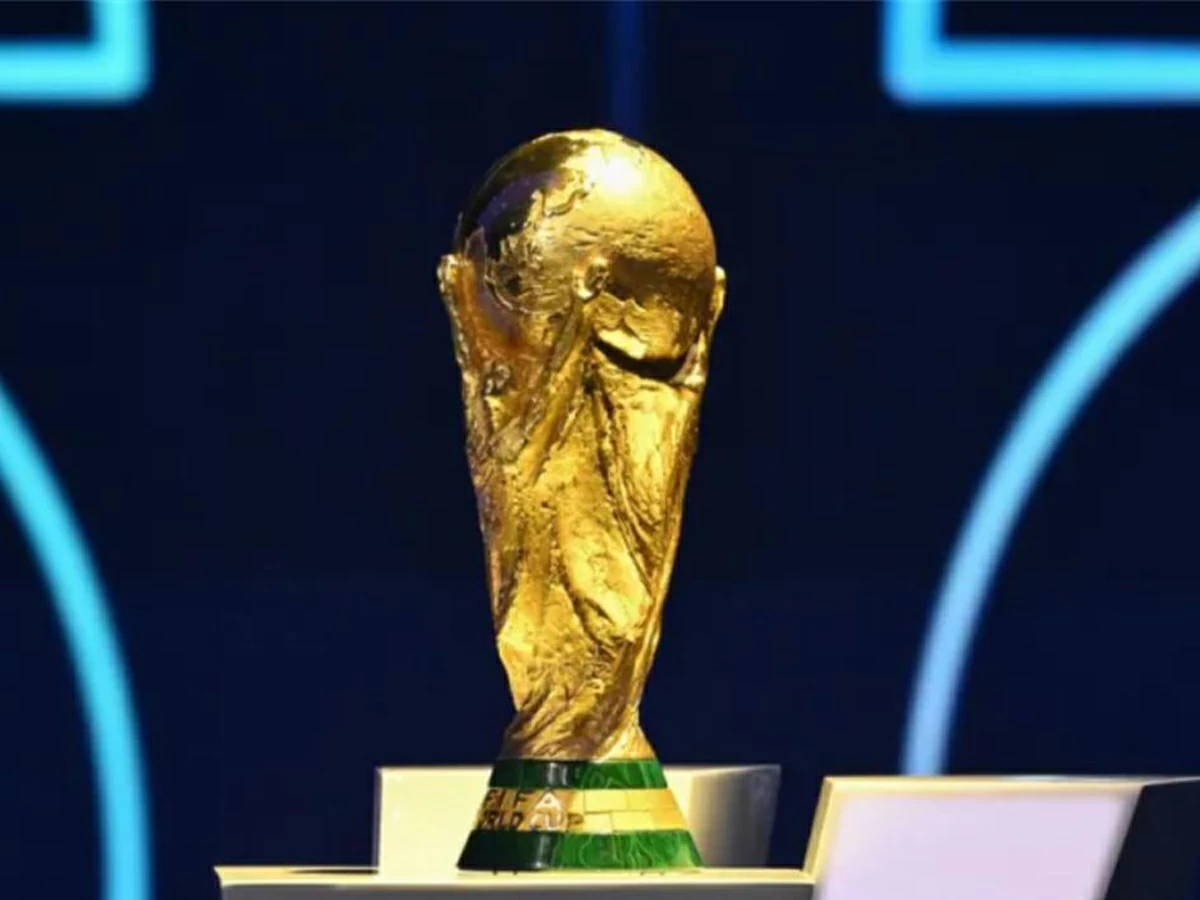
تخوض المنتخبات الـ48 المشاركة في «مونديال 2026» 104 مواجهات على مدى 40 يوماً وفق نظام مختلف، حيث جرت عدة دراسات حول آلية المنافسة، من بينها توزيع المنتخبات على 16 مجموعة، تضم كل منها 3 منتخبات، قبل أن يستقر مجلس «FIFA» على النظام الحالي، الذي سيتم بموجبه توزيع المنتخبات على 12 مجموعة تضم كل منها 4 منتخبات، بحيث يخوض كل منتخب 3 مباريات، على أن يتأهل أول وثاني كل مجموعة إلى دور الـ32، يرافقهما أفضل 8 منتخبات تحتل المركز الثالث في المجموعات الـ12.
اقرأ أيضا: راسينج الإسباني يعلن التعاقد مع بلال عطية مهاجم الأهلي الشاب (صور)
وتقام الأدوار الإقصائية بدءاً من دور الـ32 بنظام خروج المغلوب، وفق مسار محدد سلفاً، بحيث تعرف المنتخبات منافسيها المحتملين وفقاً للمركز الذي تأهلت به من مجموعاتها، سواء الأول أو الثاني أو الثالث، على أن تتواصل الأدوار الإقصائية وصولاً إلى المباراة النهائية، ليكون البطل قد خاض 8 مباريات بدلاً من 7 في النظام السابق، نتيجة استحداث دور الـ32.
ويتمسك «FIFA» بذات نظام المفاضلة في التأهل من دور المجموعات بالنسبة لصاحبي المركزين الأول والثاني، وفقاً لأكبر عدد من النقاط، وفي حال تساوي المنتخبات في عدد النقاط يتم الفصل بينها وفقاً للمعايير التالية: فارق الأهداف في جميع المباريات، ثم أكبر عدد من الأهداف المسجلة، ثم نتائج المواجهات المباشرة، ثم فارق الأهداف في المواجهات المباشرة في حال استمرار تساوي أكثر من منتخبين، ثم معيار اللعب النظيف، وفقاً لعدد البطاقات الصفراء والحمراء.
أما اختيار أفضل أصحاب المركز الثالث في المجموعات الـ12، فيتم وفقاً للمعايير التالية: أكبر عدد من النقاط، ثم أفضل فارق أهداف، ثم أكبر عدد من الأهداف المسجلة، ثم ترتيب اللعب النظيف، ثم أفضل مركز في أحدث تصنيف للفيفا.
وفي حال التساوي يتم الرجوع إلى التصنيف الذي سبقه، وهكذا، وإذا استمر التساوي في جميع المعايير، يتم اللجوء إلى القرعة لتحديد المتأهل.
وفي الوقت الذي ينظر فيه إلى هذه الزيادة على أنها منحت الفرصة لعدد أكبر من المنتخبات للمشاركة والاستفادة من أكبر حدث كروي في العالم، يبدي العديد من الفنيين مخاوف من أن تؤثر على المستوى التنافسي والفني في الأدوار الأولى من البطولة، غير أن ذلك يبقى مجرد تكهنات إلى حين رصد الواقع العملي للبطولة، خصوصاً في ظل ما شهدته كرة القدم من تطور لافت قلص الفوارق بين المنتخبات وجعل النتائج المحسومة أمراً نسبياً.
The 48 teams participating in the “2026 World Cup” will compete in 104 matches over 40 days under a different system. Several studies have been conducted regarding the competition mechanism, including the distribution of teams into 16 groups, each consisting of 3 teams, before the FIFA Council settled on the current system, which will distribute the teams into 12 groups, each containing 4 teams. Each team will play 3 matches, with the top two teams from each group qualifying for the Round of 32, along with the best 8 teams that finish third in the 12 groups.
The knockout stages will begin with the Round of 32 in a single-elimination format, following a predetermined path, allowing teams to know their potential opponents based on the position they qualified from their groups, whether first, second, or third. The knockout rounds will continue until the final match, meaning the champion will have played 8 matches instead of 7 under the previous system, due to the introduction of the Round of 32.
اقرأ أيضا: مونديال 2026 فرصة استثنائية والبرتغال تملك مقومات المنافسة
FIFA maintains the same qualification criteria for the top two teams from the group stage based on the highest number of points. In the event of a tie in points, teams will be separated according to the following criteria: goal difference in all matches, then the highest number of goals scored, then results of direct encounters, then goal difference in direct encounters if more than two teams remain tied, and finally the fair play criterion based on the number of yellow and red cards.
As for selecting the best third-placed teams from the 12 groups, it will be based on the following criteria: the highest number of points, then the best goal difference, then the highest number of goals scored, then fair play ranking, and finally the best position in the latest FIFA ranking.
In the event of a tie, the previous ranking will be referred to, and so on. If the tie persists across all criteria, a draw will be conducted to determine the qualifier.
While this increase is seen as providing an opportunity for more teams to participate and benefit from the largest football event in the world, many experts express concerns that it may affect the competitive and technical level in the early stages of the tournament. However, this remains mere speculation until the practical reality of the tournament is observed, especially given the notable development in football that has narrowed the gaps between teams and made decisive results a relative matter.
اقرأ أيضا: بعد نشر “مصر تايمز”.. الأمن يضبط المتهم بالاعتداء على والده المسن بالبحيرة