
العيسى يؤكد أهمية تمكين الشباب لمواجهة التحديات الأخلاقية للتقنية الحديثة – أخبار السعودية
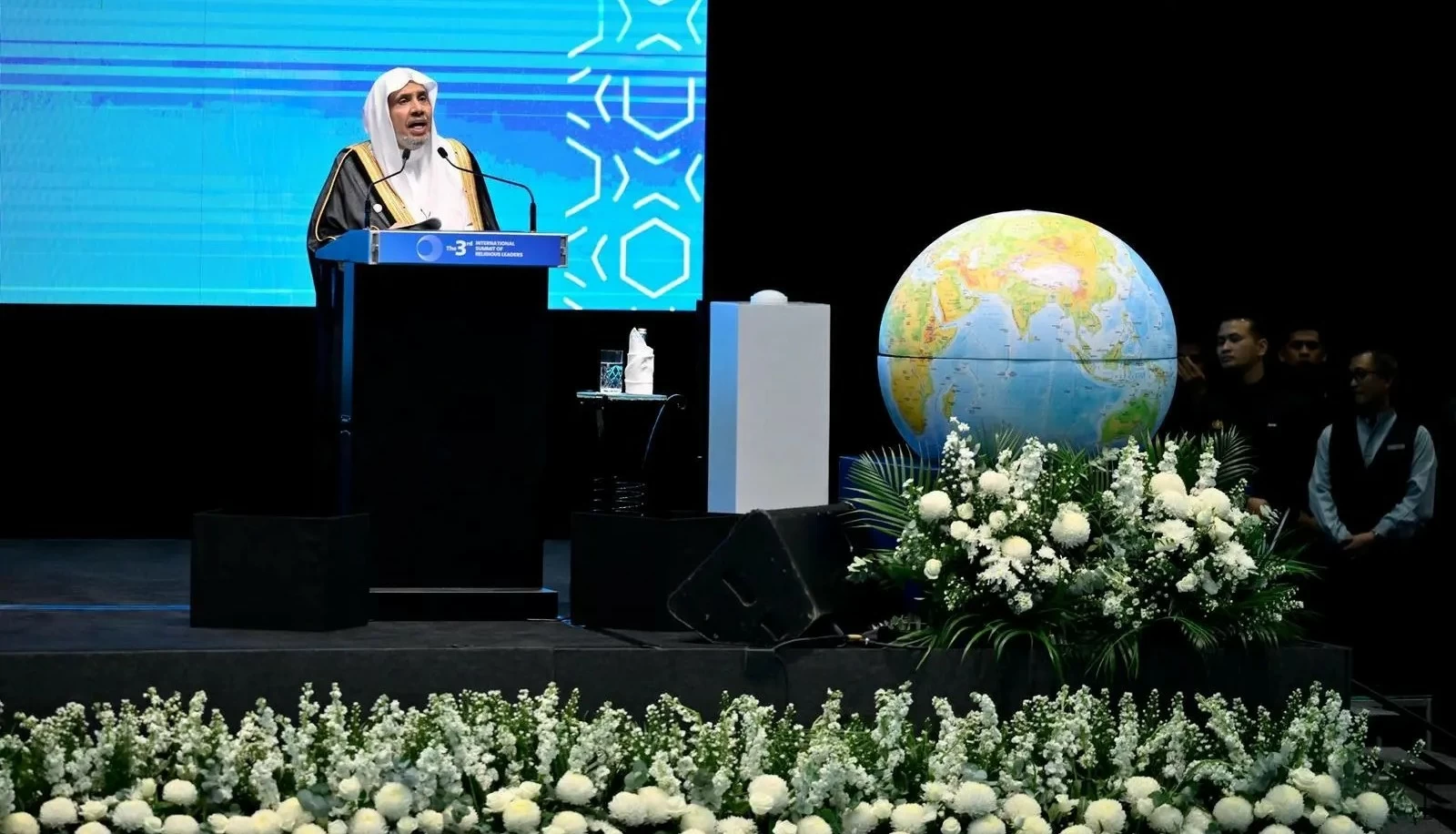

شارك الأمين العام لرابطة العالم الإسلامي رئيس هيئة علماء المسلمين فضيلة الشيخ الدكتور محمد بن عبدالكريم العيسى بكلمةٍ افتتاحيةٍ في حفل انطلاق «القمّة الدولية الثالثة للقيادات الدينية» التي تستضيفها العاصمة الماليزية كوالالمبور، بحضور السلطان نزرين معز الدين شاه، ودولة رئيس الوزراء أنور إبراهيم.
وأكَّد في كلمته مسؤولية القادة الدينيين في عددٍ من القضايا التي تهمُّ سلامَ عالَمِنا ووئام مجتمعاته، مستعرضًا أهمَّها، ومشيرًا إلى الدور المُهِم المَنُوط بالشّباب، لاسيَّما في معالجة مخاطر الانفتاح الكامل على التقنية الحديثة، خصوصًا الذكاء الاصطناعي، دون حصانة فكرية أو حمايةٍ أخلاقيّة.
وخُصّصتْ هذه القمّة -في أهمّ محاورها- لبحث أساليب تمكين الشباب؛ للإسهام في معالجة العديد من المخاطر المُتعلّقة بوسائل التواصل الاجتماعيّ والذكاء الاصطناعيّ، حيث يقودُ نحو ألفَي شابٍّ -مِن مُختلف الانتماءات الدينية والثقافية- مهمّةَ تشكيل معالم العمل الدوليّ الشبابيّ، وفق المبادئ والأهداف المُشترَكة؛ للإسهام في معالجة التحديات الأخلاقية والأمنية الناتجة عن سرعة القفزات التقنية، مع تحدياتٍ أخرى تتعلق بمفاهيم «التطرّف» و«التطرّف العنيف»، التي تضع الشباب في طليعة مُستهدفاتِها.
The Secretary-General of the Muslim World League, President of the Assembly of Muslim Scholars, His Excellency Sheikh Dr. Mohammed bin Abdulkarim Al-Issa, delivered an opening speech at the launch of the “Third International Summit for Religious Leaders,” hosted in the Malaysian capital, Kuala Lumpur, in the presence of Sultan Nazrin Muizzuddin Shah and Prime Minister Anwar Ibrahim.
In his speech, he emphasized the responsibility of religious leaders regarding several issues that concern the peace of our world and the harmony of its communities, reviewing the most important of these issues and pointing to the significant role assigned to youth, especially in addressing the risks of complete openness to modern technology, particularly artificial intelligence, without intellectual immunity or ethical protection.
This summit is dedicated – in its key themes – to discussing ways to empower youth to contribute to addressing many risks associated with social media and artificial intelligence, where nearly two thousand young people – from various religious and cultural backgrounds – are leading the mission to shape the features of international youth work, according to shared principles and goals; to contribute to addressing the ethical and security challenges arising from the rapid technological leaps, along with other challenges related to the concepts of “extremism” and “violent extremism,” which place youth at the forefront of their targets.
تعليقات