
خريطة جديدة تكشف مناطق «صامدة» للشعاب المرجانية حول العالم – أخبار السعودية
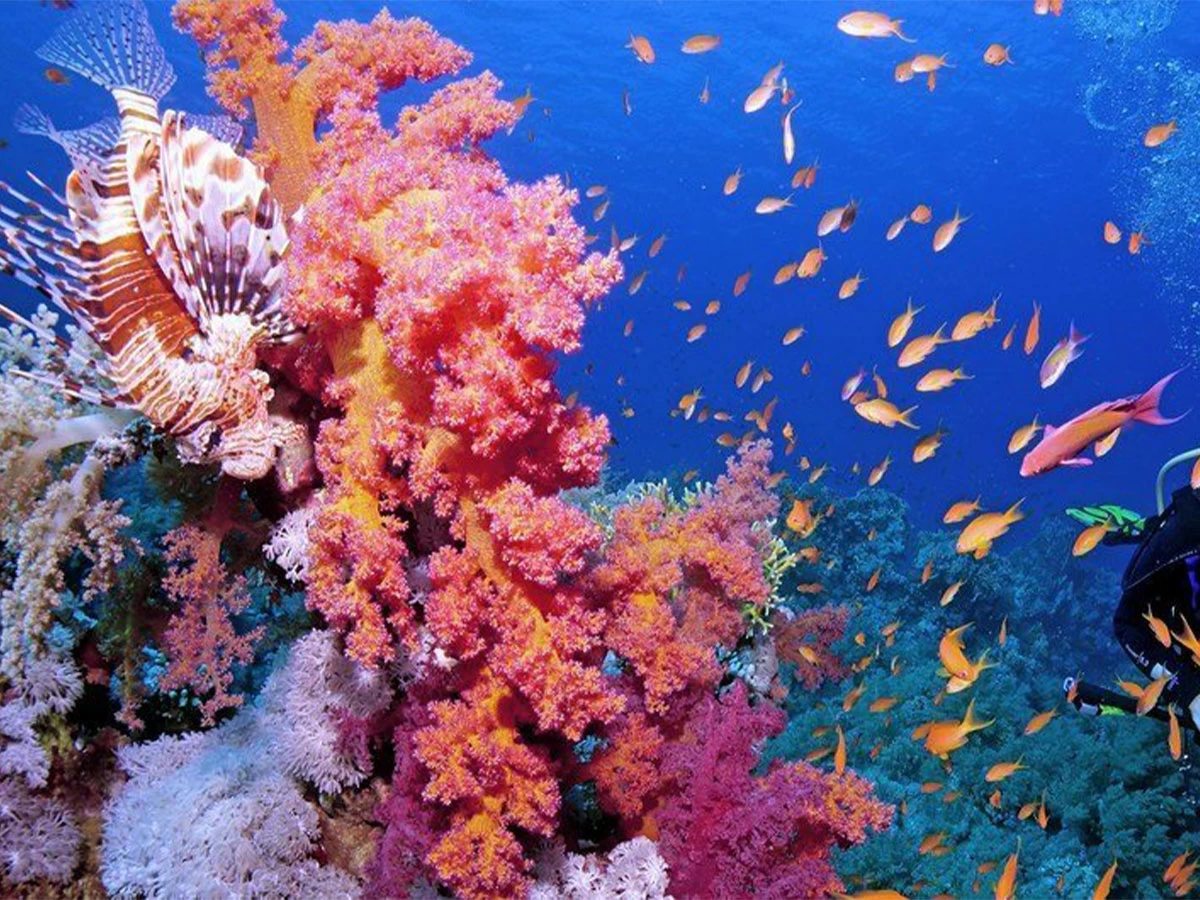

كشفت دراسة علمية دولية حديثة عن مؤشرات إيجابية غير متوقعة بشأن مستقبل الشعاب المرجانية، أحد أكثر النظم البيئية البحرية حساسية أمام التغير المناخي، مشيرة إلى أن مساحات واسعة منها ما تزال تمتلك قدرة ملموسة على الصمود والتعافي، على الأقل حتى منتصف هذا القرن.
واعتمدت الدراسة، التي أعدها باحثون من جامعة ماكواري الأسترالية بالتعاون مع جمعية الحفاظ على الحياة البرية، على تحليل شامل لأكثر من 45 ألف مسح ميداني أُجري بين 1960 و2025. كما دمجت البيانات 42 مؤشراً بيئياً وبشرياً، باستخدام تقنيات التعلم الآلي، بهدف بناء نماذج تنبؤية لمستقبل الشعاب المرجانية حتى 2050.
وأظهرت النتائج وجود مناطق واسعة من الشعاب القادرة على مقاومة تأثيرات التغير المناخي في 71 دولة و100 منطقة حول العالم، بما في ذلك مواقع لم تكن موثقة سابقاً في البحر الكاريبي والمحيطين الهادئ والأطلسي.
وفي تعليقها على النتائج، أوضحت إميلي دارلينغ، مديرة الحفاظ على الشعاب المرجانية في الجمعية وأحد المشاركين في إعداد الدراسة، أن هذه المعطيات تعيد النظر في التصورات المتشائمة التي تعتبر الشعاب البيئية في حالة انهيار شبه تام، مؤكدة أن مناطق الأمل باتت اليوم أكثر وضوحاً وقابلية للتحديد، وأن التحدي الأساسي يتمثل في تفعيل الإرادة السياسية لحمايتها.
وتشير الدراسة إلى أن هذه النتائج يمكن أن توفر خريطة عملية للحكومات وصناع القرار لتوجيه جهود الحماية، خصوصاً في ظل سعي العديد من الدول إلى حماية 30% من مساحاتها البرية والبحرية بحلول 2030، بما يتيح إدراج هذه النظم البيئية المقاومة ضمن أولويات خطط الحفاظ على التنوع الحيوي.
A recent international scientific study has revealed unexpected positive indicators regarding the future of coral reefs, one of the most sensitive marine ecosystems to climate change, indicating that large areas still possess a tangible ability to withstand and recover, at least until the middle of this century.
The study, conducted by researchers from Macquarie University in Australia in collaboration with the Wildlife Conservation Society, relied on a comprehensive analysis of more than 45,000 field surveys conducted between 1960 and 2025. It also integrated 42 environmental and human indicators, using machine learning techniques to build predictive models for the future of coral reefs until 2050.
The results showed the existence of vast areas of reefs capable of resisting the effects of climate change in 71 countries and 100 regions around the world, including sites that had not been previously documented in the Caribbean and the Pacific and Atlantic Oceans.
Commenting on the results, Emily Darling, the coral conservation director at the society and one of the study’s contributors, explained that this data reconsiders the pessimistic perceptions that view coral ecosystems as being in a state of near-total collapse, emphasizing that areas of hope have become clearer and more identifiable today, and that the main challenge lies in activating the political will to protect them.
The study suggests that these results could provide a practical roadmap for governments and decision-makers to guide conservation efforts, especially as many countries strive to protect 30% of their land and marine areas by 2030, allowing for the inclusion of these resilient ecosystems within the priorities of biodiversity conservation plans.
تعليقات