
موجة حر استثنائية تضرب أوروبا وتودي بحياة 18 شخصاً في فرنسا – أخبار السعودية
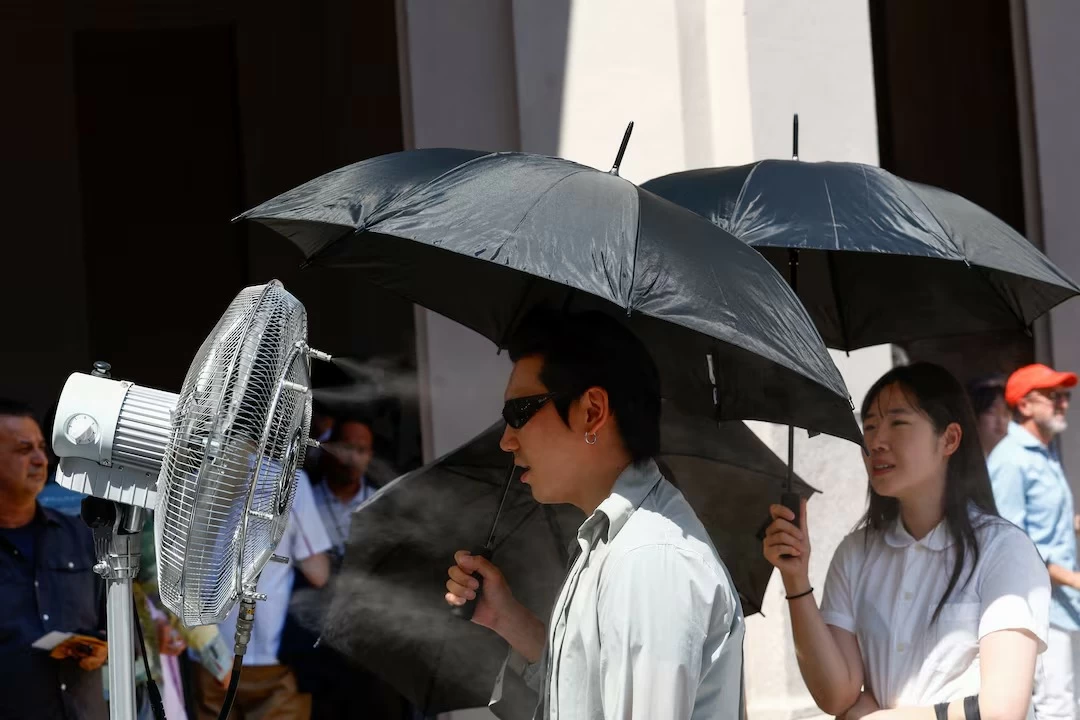

تسببت موجة حر شديدة تجتاح أجزاء واسعة من أوروبا في وفاة ما لا يقل عن 18 شخصاً في فرنسا، بينهم طفلان تُركا داخل سيارة مغلقة تحت أشعة الشمس، بينما سجلت عدة مدن أوروبية درجات حرارة قياسية غير مسبوقة.

وفي فرنسا، اضطرت السلطات إلى إغلاق بعض المدارس أو تعديل جداول الدراسة بسبب الارتفاع الحاد في درجات الحرارة، بينما حذر خبراء الأرصاد الجوية في بريطانيا من احتمال تسجيل أرقام قياسية جديدة خلال الأيام القادمة.
وسجلت مدينة بوردو، الواقعة في غرب فرنسا، درجة حرارة بلغت 41.9 درجة مئوية، متجاوزة الرقم القياسي السابق المسجل في أغسطس الماضي، بينما بلغت الحرارة في مدينة بواتييه بوسط البلاد 41.2 درجة مئوية، لتكسر رقماً صمد منذ عام 1947.
وامتدت موجة الحر إلى إسبانيا، حيث توقعت أن تصل الحرارة في مدينة سان سيباستيان الشمالية إلى 40 درجة مئوية، أي أكثر من ضعف المعدل المعتاد لهذه الفترة من العام.
وتشير البيانات المناخية إلى أن أوروبا كانت القارة الأكثر ابتعاداً عن معدلاتها الحرارية التاريخية خلال الأيام الأخيرة.
وكان تقرير صادر عن المنظمة العالمية للأرصاد الجوية قد أكد أن وتيرة ارتفاع درجات الحرارة في أوروبا تتجاوز بأكثر من الضعف المتوسط العالمي، ما يجعل القارة من أكثر المناطق تأثراً بتداعيات تغير المناخ.
وفي حادثة مأساوية جنوب شرقي فرنسا، أعلن الادعاء المحلي أن فرق الإسعاف فشلت في إنقاذ طفلين يبلغان من العمر عامين وأربعة أعوام، بعدما عثرت عليهما والدتهما فاقدي الوعي داخل سيارة العائلة المتوقفة أمام المنزل.
كما توفي ثلاثة مسنين تتراوح أعمارهم بين 80 و95 عاماً في منطقة بوردو خلال عطلة نهاية الأسبوع نتيجة مشكلات صحية مرتبطة بارتفاع درجات الحرارة، بحسب مسؤولين محليين.
وحذرت السلطات الفرنسية المواطنين من السباحة في الأماكن غير الخاضعة للرقابة، بعدما تم تسجيل 13 حالة غرق بين (الأحد) و(الإثنين).
وتشير الإحصاءات إلى أن وفيات الغرق ارتفعت بنسبة 172% خلال موجات الحر العام الماضي، مع إقبال أعداد كبيرة من الأشخاص على المسطحات المائية هرباً من الحرارة.
ويرجع خبراء المناخ هذه الظاهرة إلى ما يُعرف بـ”حاجز أوميغا”، وهو نمط جوي يأخذ شكل حرف أوميغا اليوناني، يتميز بتمركز كتلة هوائية ساخنة في الوسط تحيط بها كتل هوائية أبرد من الجانبين.
وقالت الباحثة في شؤون الطقس والمناخ المتطرف كلير بارنز إن هذا النمط يسحب الهواء الساخن من شمال أفريقيا والصحراء الكبرى نحو أوروبا، ما يؤدي إلى ارتفاع شديد في درجات الحرارة مع غياب الرياح التي قد تخفف من حدتها.
وأضافت أن تغير المناخ يسهم في زيادة قوة موجات الحر والعواصف، ما يؤدي إلى ارتفاع أكبر في درجات الحرارة وزيادة معدلات هطول الأمطار.
وفي المملكة المتحدة، توقعت هيئة الأرصاد الجوية أن تتجاوز درجات الحرارة 39 درجة مئوية في بعض المناطق خلال موجة حر تستمر أربعة أيام، ما قد يؤدي إلى تحطيم الرقم القياسي المسجل لشهر يونيو والبالغ 35.6 درجة مئوية، والذي سُجل عامي 1957 و1976.
كما توقعت هيئة الأرصاد الفرنسية أن تسجل باريس أعلى درجة حرارة لشهر يونيو في تاريخها الحديث، مع وصول الحرارة إلى نحو 38.4 درجة مئوية.
وفي إسبانيا، أوضح المتحدث باسم وكالة الأرصاد الجوية الوطنية أن درجات الحرارة الحالية تفوق المعدلات الطبيعية لهذا الوقت من السنة بما يتراوح بين 5 و10 درجات مئوية، بينما تتجاوز ذلك في بعض المناطق الشمالية.
وأصدرت السلطات الإيطالية إنذارات حمراء لموجة الحر في 12 مدينة، فيما عززت شركات الطاقة فرق العمل وأدخلت مولدات إضافية لمواجهة انقطاعات متفرقة للكهرباء نتيجة الضغط المتزايد على شبكات التوزيع.
ولم تقتصر آثار الموجة الحارة على البشر فقط، إذ حذرت مراكز إنقاذ الحياة البرية في بلجيكا من نفوق أعداد متزايدة من الطيور الصغيرة، مثل السنونو والعصافير والزرازير، بسبب ارتفاع درجات الحرارة فوق أسطح المباني إلى ما بين 50 و60 درجة مئوية.
وأكد العاملون في مراكز الإنقاذ أن الطيور الصغيرة باتت تقفز من أعشاشها هرباً من الحرارة الشديدة، فيما استقبل أحد المراكز أكثر من 150 حيواناً متضرراً خلال ثلاثة أيام فقط.
وتجدد هذه الموجة الحارة المخاوف بشأن التأثيرات المتسارعة لتغير المناخ، في وقت تشهد فيه أوروبا صيفاً مبكراً واستثنائياً يهدد الصحة العامة والبنية التحتية والأنظمة البيئية على حد سواء.
A severe heatwave sweeping across large parts of Europe has resulted in the deaths of at least 18 people in France, including two children left inside a closed car under the sun, while several European cities recorded unprecedented record temperatures.
In France, authorities were forced to close some schools or adjust study schedules due to the sharp rise in temperatures, while meteorological experts in Britain warned of the possibility of new record numbers in the coming days.
The city of Bordeaux, located in western France, recorded a temperature of 41.9 degrees Celsius, surpassing the previous record set last August, while the temperature in the city of Poitiers in central France reached 41.2 degrees Celsius, breaking a record that had stood since 1947.
The heatwave extended to Spain, where temperatures in the northern city of San Sebastián were expected to reach 40 degrees Celsius, more than double the usual average for this time of year.
Climate data indicates that Europe has been the continent most deviating from its historical temperature averages in recent days.
A report from the World Meteorological Organization confirmed that the rate of temperature increase in Europe exceeds more than double the global average, making the continent one of the most affected regions by the impacts of climate change.
In a tragic incident in southeastern France, local prosecutors announced that rescue teams failed to save two children aged two and four after their mother found them unconscious inside the family car parked in front of their home.
Three elderly individuals aged between 80 and 95 also died in the Bordeaux area over the weekend due to health issues related to the high temperatures, according to local officials.
French authorities warned citizens against swimming in uncontrolled areas after 13 drowning cases were reported between Sunday and Monday.
Statistics indicate that drowning deaths increased by 172% during heatwaves last year, as large numbers of people flocked to water bodies to escape the heat.
Climate experts attribute this phenomenon to what is known as the “Omega Block,” a weather pattern shaped like the Greek letter omega, characterized by a hot air mass in the center surrounded by cooler air masses on the sides.
Weather and extreme climate researcher Claire Barnes stated that this pattern pulls hot air from North Africa and the Sahara Desert toward Europe, leading to a severe rise in temperatures with the absence of winds that could alleviate the intensity.
She added that climate change contributes to the increasing strength of heatwaves and storms, resulting in higher temperatures and increased rainfall rates.
In the United Kingdom, the Meteorological Office predicted that temperatures would exceed 39 degrees Celsius in some areas during a heatwave lasting four days, which could lead to breaking the record for June of 35.6 degrees Celsius, set in 1957 and 1976.
The French meteorological office also predicted that Paris would record its highest temperature for June in modern history, with temperatures reaching around 38.4 degrees Celsius.
In Spain, a spokesperson for the National Meteorological Agency clarified that current temperatures exceed the normal averages for this time of year by between 5 and 10 degrees Celsius, while surpassing that in some northern areas.
Italian authorities issued red alerts for the heatwave in 12 cities, while energy companies reinforced their teams and introduced additional generators to cope with sporadic power outages due to increased pressure on distribution networks.
The effects of the heatwave were not limited to humans alone, as wildlife rescue centers in Belgium warned of increasing deaths among small birds, such as swallows, sparrows, and starlings, due to temperatures on building rooftops reaching between 50 and 60 degrees Celsius.
Rescue workers confirmed that small birds have started jumping from their nests to escape the extreme heat, while one center received over 150 affected animals in just three days.
This heatwave renews concerns about the accelerating impacts of climate change, as Europe experiences an early and exceptional summer that threatens public health, infrastructure, and ecosystems alike.
تعليقات