
يواجه تهم جرائم حرب والتحريض والتهريب.. وسيم الأسد أمام القضاء السوري – أخبار السعودية
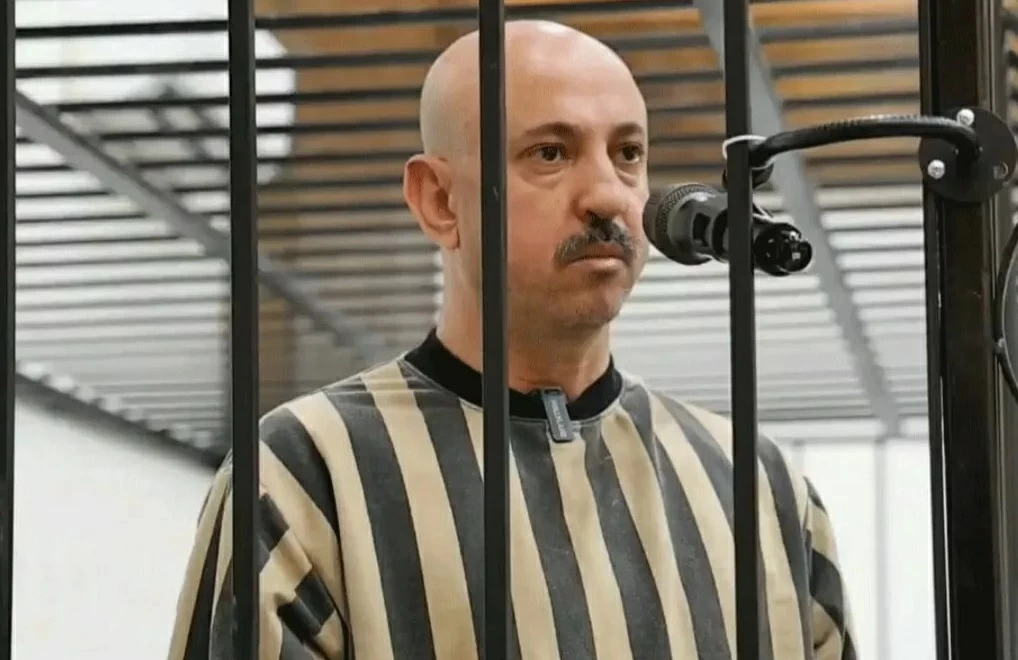

عقدت محكمة سورية، اليوم (الأربعاء)، أولى جلساتها لمحاكمة وسيم الأسد، ابن عم الرئيس السابق بشار الأسد، بتهمة التحريض وقيادة عناصر مسلحة. وذكرت لائحة الاتهام أن وسيم الأسد شكل مجموعتين مسلحتين مطلع عام 2011، بناء على تكليف من العميد غياث دلا، أحد قادة الفرقة الرابعة التابعة للنظام السابق بقيادة ماهر الأسد، وأشرف على هاتين المجموعتين اللتين ضمتا نحو 30 مقاتلاً، وتولى تأمين السلاح والذخيرة والتمويل والدعم اللوجستي لهما.
كما اتهمت اللائحة وسيم بالتحريض العلني على العنف عبر تصريحات ومقاطع مصورة ومنشورات على وسائل التواصل الاجتماعي، وتشجيع القتال ضد المدنيين المعارضين ووصفهم بـ«الإرهابيين»، إضافة إلى استغلال نفوذه المستمد من انتمائه لعائلة الأسد لارتكاب أعمال سلب وعنف في الساحل السوري.
ونفى وسيم الأسد مسؤوليته المباشرة عن تلك المجموعات، مؤكداً أنها كانت تتبع لشخص يدعى جمال حسن، وأن دوره اقتصر على التواصل بين الأخير وغياث دلا بعد طلب البحث عن أشخاص قادرين على تشكيل مجموعات مسلحة مقابل مبالغ مالية. وجرت المحاكمة لكن البث المباشر توقف لاحقاً ضمن إجراءات لحماية الشهود وسرية الشهادات وسلامة المشاركين في القضية.
ووجه الادعاء إلى وسيم تهمة إدارة نشاط منظم لتهريب المواد المخدرة والاتجار بها داخل سورية وخارجها على مدى سنوات، إلى جانب استغلال النفوذ لابتزاز المدنيين والحصول على مبالغ مالية مقابل التوسط لدى الأجهزة الأمنية والعسكرية أو تسهيل إطلاق سراح معتقلين.
واتهم وسيم بقتل أحد المدنيين في مدينة جرمانا نتيجة إطلاق النار من قبل إحدى المجموعات التابعة له، فضلاً عن المشاركة المباشرة أو غير المباشرة في عمليات عسكرية أدت إلى وقوع مجازر في المليحة ومحيطها، من بينها هجوم وقع في 2 يناير 2013 وأدى إلى سقوط عشرات المدنيين. وقال رئيس محكمة الجنايات في دمشق القاضي فخر الدين العريان إن المجموعات التي أشرف عليها المتهم شاركت في عمليات عسكرية استهدفت مناطق في الغوطة الشرقية، بينها المليحة، وأسهمت في تثبيت السيطرة على مناطق تعرضت لقصف مدفعي وجوي، مبيناً أن هذه المجموعات شاركت في عمليات واسعة ضد مناطق مدنية مأهولة أسفرت عن سقوط أعداد كبيرة من المدنيين.
واعتبر القاضي أن الأفعال المنسوبة إلى المتهم تندرج ضمن هجوم واسع النطاق ومنهجي استهدف السكان المدنيين خلال النزاع السوري، ما قد يرقى إلى جرائم ضد الإنسانية وجرائم حرب بموجب نظام روما الأساسي للمحكمة الجنائية الدولية واتفاقيات جنيف، مؤكداً أن هذه الجرائم لا تسقط بالتقادم، ولا يشملها العفو. وأشار إلى أن الوقائع المنسوبة لوسيم الأسد تشكل جرائم يعاقب عليها قانون العقوبات السوري، من بينها القتل العمد، والتحريض على القتل، وإثارة الحرب الأهلية والاقتتال الطائفي، إضافة إلى تهريب المواد المخدرة والاتجار بها.
يذكر أن قوات الأمن السورية اعتقلت وسيم الأسد، ابن عم الرئيس السابق بشار الأسد، في يونيو 2025، وبرز اسمه خلال السنوات الأولى من الثورة السورية كواحد من أبرز قادة المليشيات الرديفة لجيش النظام السابق، إذ لعب دوراً مباشراً في تثبيت قبضة النظام على العديد من المناطق السورية عبر الترهيب والقمع، كما أسس مليشيات محلية تحت اسم «درع الأمن العسكري» التي عُرفت لاحقاً بـ«درع الأسد»، ونفذت عمليات اعتقال وقمع واسعة النطاق، واستهدفت النشطاء المدنيين والمحتجين، وارتبط اسمها بحوادث قتل وخطف وعمليات ابتزاز وسرقة، إلى جانب مشاركتها العسكرية مع قوات النظام السابق في حربه على الشعب السوري في عدة محافظات.
A Syrian court held its first session today (Wednesday) to trial Waseem al-Assad, the cousin of former President Bashar al-Assad, on charges of incitement and leading armed groups. The indictment stated that Waseem al-Assad formed two armed groups at the beginning of 2011, based on a commission from Brigadier General Ghiyath Dalaa, one of the leaders of the Fourth Division of the former regime led by Maher al-Assad, and oversaw these two groups, which included about 30 fighters, taking responsibility for securing weapons, ammunition, funding, and logistical support for them.
The indictment also accused Waseem of publicly inciting violence through statements, video clips, and posts on social media, encouraging fighting against opposing civilians and labeling them as “terrorists,” in addition to exploiting his influence derived from his affiliation with the Assad family to commit acts of looting and violence in the Syrian coast.
Waseem al-Assad denied direct responsibility for those groups, asserting that they were under the command of a person named Jamal Hassan, and that his role was limited to communication between the latter and Ghiyath Dalaa after a request to find individuals capable of forming armed groups in exchange for financial amounts. The trial took place, but the live broadcast was later stopped as part of measures to protect witnesses, maintain the confidentiality of testimonies, and ensure the safety of participants in the case.
The prosecution charged Waseem with managing an organized activity for smuggling and trafficking narcotic substances inside and outside Syria over the years, in addition to exploiting influence to extort civilians and obtain financial amounts in exchange for mediating with security and military agencies or facilitating the release of detainees.
Waseem was accused of killing a civilian in the city of Jaramana as a result of gunfire from one of the groups under his command, as well as direct or indirect participation in military operations that led to massacres in al-Malihah and its surroundings, including an attack that occurred on January 2, 2013, resulting in the deaths of dozens of civilians. The head of the Criminal Court in Damascus, Judge Fakhr al-Din al-Aryan, stated that the groups overseen by the accused participated in military operations targeting areas in Eastern Ghouta, including al-Malihah, and contributed to consolidating control over areas subjected to artillery and aerial bombardment, indicating that these groups participated in extensive operations against populated civilian areas that resulted in a large number of civilian casualties.
The judge considered that the actions attributed to the accused fall within a widespread and systematic attack targeting civilian populations during the Syrian conflict, which may amount to crimes against humanity and war crimes under the Rome Statute of the International Criminal Court and the Geneva Conventions, affirming that these crimes are not subject to statute of limitations and are not covered by amnesty. He pointed out that the facts attributed to Waseem al-Assad constitute crimes punishable under the Syrian Penal Code, including premeditated murder, incitement to murder, stirring civil war and sectarian fighting, in addition to smuggling and trafficking narcotic substances.
It is worth noting that Syrian security forces arrested Waseem al-Assad, the cousin of former President Bashar al-Assad, in June 2025, and his name emerged during the early years of the Syrian revolution as one of the prominent leaders of the militias allied with the former regime’s army, as he played a direct role in consolidating the regime’s grip on many Syrian areas through intimidation and repression. He also established local militias under the name “Military Security Shield,” which later became known as “Assad’s Shield,” and carried out widespread arrests and repression, targeting civil activists and protesters, with his name associated with incidents of killing, kidnapping, extortion, and theft, in addition to his military participation with the former regime’s forces in their war against the Syrian people in several provinces.
تعليقات