
أمانة جدة لـ«عكاظ»: أصدرنا أمر الإخلاء حفاظاً على سلامة السكان – أخبار السعودية
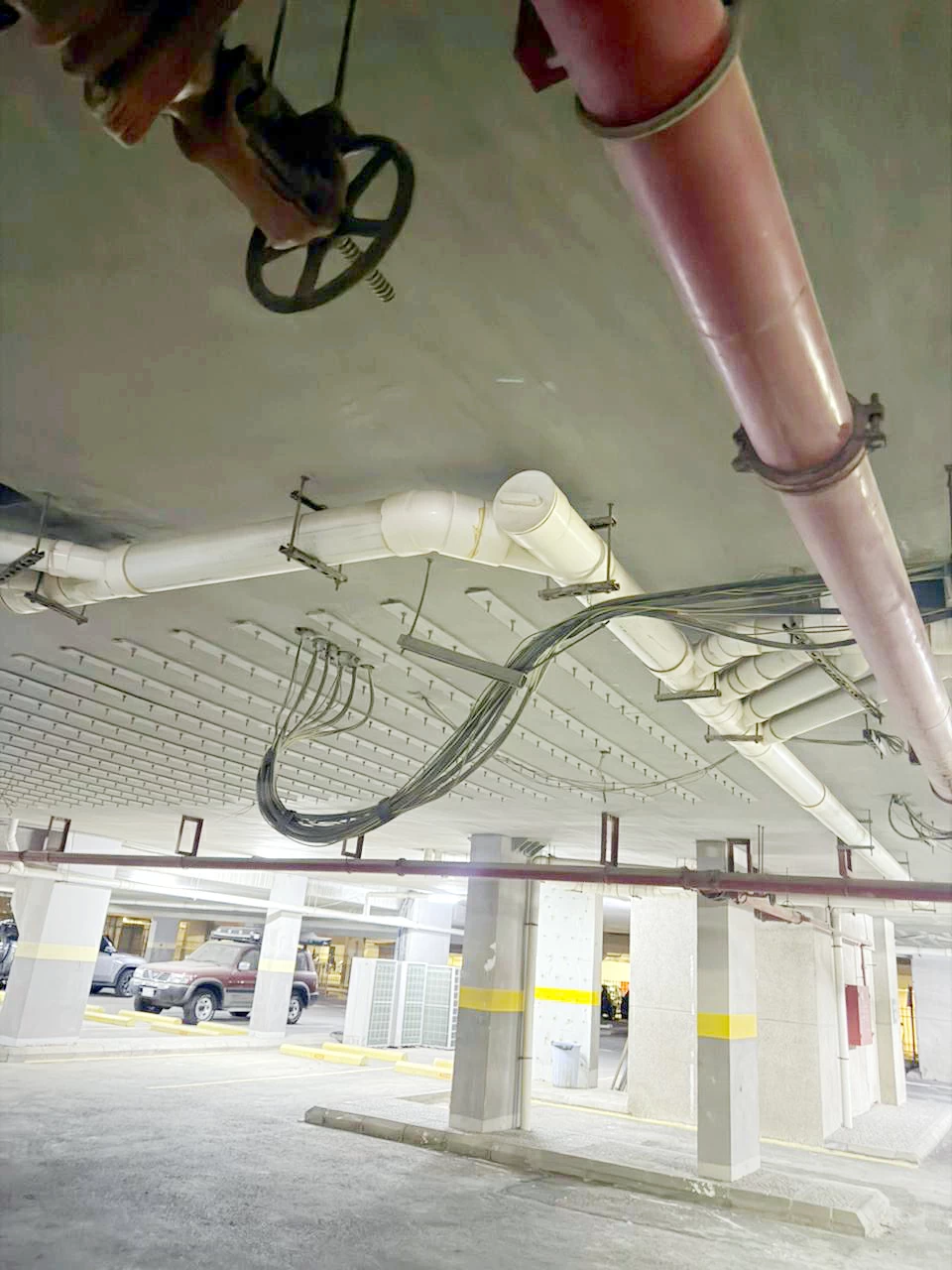

كشفت أمانة جدة لـ«عكاظ»، عن تلقي شكاوى من سكان المبنى رقم 2 والمبنى رقم 3 بخصوص وجود ملاحظات على الوحدات السكنية، التي نشرت «عكاظ» تفاصيلها عن 4 عمائر سكنية في وسط جدة أظهرت تقارير فنية وجود عيوب هندسية بها.
وأشارت الأمانة، إلى اتخاذها الإجراءات النظامية بإصدار أمر بالإخلاء. وقال المتحدث الرسمي لأمانة جدة محمد البقمي، رداً على استفسارات «عكاظ» بشأن المجمع السكني في وسط جدة، الذي صدر أمر الإخلاء بشأنه، والذي نشر في الصحيفة (الثلاثاء) 8 محرم 1448هـ الموافق 23 يونيو 2026م، تحت عنوان: («عكاظ» تكشف تفاصيل تعويض الـ360 مليوناً.. شقق فاخرة ابتلعت أموال السكان..أمانة جدة: أخلوا الأبراج!). إن المجمع السكني المذكور صدر له رخصة بناء بتاريخ 2 رجب 1436هـ، وبعد ورود شكاوى من بعض السكان في المبنى رقم 2 والمبنى رقم 3 بخصوص وجود ملاحظات على الوحدات السكنية، وحفاظاً على سلامة الساكنين والممتلكات، كلفت الأمانة فريقاً فنياً مختصاً بمعاينة المجمع المشار إليه، وأظهرت نتائج الفحص الفني وجود ملاحظات تتطلب تنفيذ أعمال معالجة إنشائية، وتم إصدار رخصة ترميم بتاريخ 17 محرم 1446هـ ونظراً لعدم إتمام عملية الترميم حتى تاريخه، صدر إشعار نهائي بإخلاء المبنى وإلزام المطور بعمل الترميم بالتنسيق مع الجهات المعنية.
«الأعلى للقضاء»: الدعاوى اختصاص «المنازعات»
في شأن ذي صلة، علمت «عكاظ» أن المجلس الأعلى للقضاء حسم أخيراً تنازع الاختصاص في عدد من دعاوى الملّاك بعد صدور حكمين؛ أحدهما من محكمة الاستئناف، والآخر من لجنة الفصل في المخالفات والمنازعات التمويلية تضمن كل منهما عدم الاختصاص. وأكد قرار المجلس أن الدعوى ناشئة عن الالتزامات التعاقدية بين الطرفين وليست منازعة في حق عيني على عقار وفقاً للمادة 26 من نظام المعاملات المدنية، وبعد الدراسة والمداولة قررت اللجنة أن القضية من اختصاص لجنة الفصل في المخالفات والمنازعات التمويلية.
الملّاك لـ«عكاظ»: شكراً للأمانة
عدد من الملّاك ممن اشتروا الشقق السكنية نقداً أو من خلال التمويل العقاري شدّدوا على أنهم ما زالوا يعانون من استقطاع ما متوسطه 7 آلاف ريال شهرياً من مرتباتهم رغم عدم انتفاعهم من العقار وإخلاء بعض السكان شققهم، مطالبين بإيقاف الاستقطاع الشهري.
وقالوا: إن المشروع مجمع سكني مملوك لصندوق استثماري عقاري، يتبع شركة مالية لبنك محلي، وأضافوا أنهم اشتروا الشقق من مطور عقاري يتبع الشركة المالية عبر نظام الهيئة العامة للعقار وفي المجمع السكني اتحاد ملاك، وبعضهم اشترى نقداً وآخرون تملّكوا من خلال برنامج «سكني» بوزارة الإسكان.
وعدّد الملّاك في أحاديثهم لـ«عكاظ» عيوب المجمع السكني، وأشاروا إلى أنها عيوب في التصميم والتنفيذ والهيكل الإنشائي، وشملت مشكلات في الأساسات والأعمدة والعوازل والتسرّبات، إضافة إلى أعطال في التكييف والمصاعد والسباكة والكهرباء، ما أثر على سلامة المباني وقيمتها السوقية.
ويتمسك الملّاك بأنهم اشتروا الوحدات وأتموا جميع الإجراءات النظامية والتمويلية دون علم بالعيوب الجوهرية، وأنهم خاطبوا الشركة المالية المسؤولة ووزارة البلديات والإسكان والبنك المركزي وأمانة جدة.
وعبّر الملّاك عن تقديرهم لأمانة محافظة جدة لمتابعتها وتجاوبها السريع في إيفاد لجنة فنية مختصة للوقوف على أوضاع المباني وإعداد تقرير هندسي انتهى بإثبات العيوب الفنية والأمر بالإخلاء حفاظاً على سلامتهم.
وبيّن الملّاك أن المستثمرين في أسهم الصندوق أنفقوا 360 مليون ريال من الصندوق العقاري المغلق.
قانوني: 3 أركان للتعويض
المحامي وليد العتيبي، سلّط الضوء على آليات التعويض عن الأضرار، وقال: إن دعوى المطالبة لها 3 أركان رئيسية: الأول، يجب أن يكون الضرر محققاً وفعلياً، ويشترط فيه أن يكون حقيقياً لا مجرد احتمال، وقابلاً للإثبات بالأدلة وله قيمة مالية أو معنوية محددة.
وأضاف المحامي العتيبي، أن دعوى التعويض عن الضرر وفقاً لأحكام نظام المعاملات المدنية تهدف إلى تعويض الضرر بشكل كامل من خلال إعادة المتضرر إلى وضعه الذي كان عليه قبل وقوع الضرر. إذ تنص المادة 127 من النظام على أن تقدير الضرر يتم من خلال معرفة الخسارة التي لحقت بالمتضرر، وتحديد الفعل الضار، كما يحدد النظام عدة شروط يجب توافرها لقبول دعوى التعويض أمام المحكمة، أبرزها، وقوع خطأ من المتسبب بالضرر (المدعي عليه)، حدوث ضرر للمدعي، سواء كان خسارة فعلية أو خسارة فرصة محققة، وأن يكون الضرر مباشراً، وأن يؤدي الضرر إلى المساس بمصلحة مشروعة، ولا يكون مخالفاً للأنظمة، وأن يكون الضرر محققاً وليس ضرراً محتملاً في المستقبل مع وجود علاقة سببية بين الخطأ والضرر، ويجب أن تُرفع الدعوى من صاحب المصلحة أو من يمثله قانونياً، مع تقديم الأدلة التي تثبت وقوع الخطأ والضرر والعلاقة السببية بينهما.
المحكمة تقدّر قيمة الضرر
المحامي العتيبي أوضح أن المحكمة تأخذ بعين الاعتبار عوامل عدة لتحديد قيمة التعويض عن الضرر النفسي والمعنوي، منها حجم وطبيعة الضرر النفسي والأدلة المقدمة التي تثبت الضرر، ويتولى القاضي تقدير التعويض عن الضرر إما بشكل مباشر أو بالاستعانة بأهل الخبرة، وقد أتاح نظام المعاملات المدنية في المادة 138 التعويض عن الضرر المعنوي، حيث تقوم المحكمة بتقدير الضرر المعنوي الذي لحق بالمتضرر، مع الأخذ في الاعتبار نوع الضرر وطبيعته إضافة إلى خصائص الشخص المتضرر، وحول سقوط المطالبة بالتعويض بالتقادم ذكر المحامي أن المادة 143 من نظام المعاملات المدنية نصت على أن لا تُسمع دعوى التعويض الناشئة عن الفعل الضار بانقضاء (3) سنوات من تاريخ علم المتضرر بوقوع الضرر وبالمسؤول عنه. وفي جميع الأحوال لا تُسمع الدعوى بانقضاء (10) سنوات من تاريخ وقوع الضرر، أما إذا كانت دعوى التعويض ناشئة عن جريمة؛ فإنه لا يمتنع سماعها ما دامت الدعوى الجزائية لم يمتنع سماعها.
The Jeddah Municipality revealed to “Okaz” that it has received complaints from residents of Building No. 2 and Building No. 3 regarding observations on the residential units, which “Okaz” published details about four residential towers in downtown Jeddah that showed technical reports indicating engineering defects.
The municipality indicated that it has taken legal measures by issuing an evacuation order. The official spokesperson for the Jeddah Municipality, Mohammed Al-Buqami, responded to inquiries from “Okaz” regarding the residential complex in downtown Jeddah, for which the evacuation order was issued, published in the newspaper (Tuesday) 8 Muharram 1448 AH, corresponding to June 23, 2026, under the title (“Okaz” reveals details of the 360 million compensation… luxurious apartments swallowed the residents’ money.. Jeddah Municipality: Evacuate the towers!). He stated that the mentioned residential complex was issued a building permit on 2 Rajab 1436 AH, and after receiving complaints from some residents in Building No. 2 and Building No. 3 regarding observations on the residential units, and to ensure the safety of the residents and properties, the municipality assigned a specialized technical team to inspect the mentioned complex. The results of the technical inspection revealed observations that require the implementation of structural remediation works, and a restoration permit was issued on 17 Muharram 1446 AH. Due to the failure to complete the restoration process to date, a final notice was issued to evacuate the building and obligate the developer to carry out the restoration in coordination with the relevant authorities.
The Supreme Judicial Council: Disputes are under the jurisdiction of “Disputes”
In a related matter, “Okaz” learned that the Supreme Judicial Council has recently resolved a jurisdictional dispute in several lawsuits involving property owners after two rulings were issued; one from the Court of Appeal and the other from the Committee for the Resolution of Violations and Financial Disputes, both of which stated a lack of jurisdiction. The Council’s decision confirmed that the lawsuit arises from contractual obligations between the parties and is not a dispute over a real right on property according to Article 26 of the Civil Transactions Law. After study and deliberation, the committee decided that the case falls under the jurisdiction of the Committee for the Resolution of Violations and Financial Disputes.
Property Owners to “Okaz”: Thank you to the Municipality
Several property owners who purchased residential apartments either in cash or through real estate financing emphasized that they are still suffering from deductions averaging 7,000 riyals monthly from their salaries despite not benefiting from the property and some residents vacating their apartments, demanding the cessation of the monthly deductions.
They stated that the project is a residential complex owned by a real estate investment fund, affiliated with a financial company of a local bank. They added that they purchased the apartments from a real estate developer affiliated with the financial company through the General Authority for Real Estate, and within the residential complex, there is a homeowners’ association, with some buying in cash and others acquiring through the “Sakani” program at the Ministry of Housing.
The property owners listed the defects of the residential complex in their conversations with “Okaz,” pointing out that these defects are in design, execution, and structural integrity, including issues with foundations, columns, insulation, and leaks, in addition to malfunctions in air conditioning, elevators, plumbing, and electricity, which affected the safety of the buildings and their market value.
The property owners insist that they purchased the units and completed all legal and financing procedures without knowledge of the fundamental defects, and that they have contacted the responsible financial company, the Ministry of Municipalities and Housing, the Central Bank, and the Jeddah Municipality.
The property owners expressed their appreciation to the Jeddah Municipality for its follow-up and quick response in sending a specialized technical committee to assess the conditions of the buildings and prepare an engineering report that concluded with confirming the technical defects and the order for evacuation to ensure their safety.
The property owners indicated that investors in the fund’s shares spent 360 million riyals from the closed real estate fund.
Legal Expert: 3 Elements for Compensation
Lawyer Walid Al-Otaibi highlighted the mechanisms for compensation for damages, stating that a claim for compensation has three main elements: first, the damage must be real and actual, requiring it to be genuine and not merely a possibility, and it must be provable by evidence and have a specific financial or moral value.
Al-Otaibi added that a claim for compensation for damage according to the provisions of the Civil Transactions Law aims to fully compensate the damage by restoring the injured party to the position they were in before the damage occurred. Article 127 of the law states that the assessment of damage is done by determining the loss suffered by the injured party and identifying the harmful act. The law also specifies several conditions that must be met for a compensation claim to be accepted in court, the most prominent of which are: the occurrence of a fault by the party causing the damage (the defendant), the occurrence of damage to the plaintiff, whether it is actual loss or loss of a realized opportunity, that the damage is direct, that it affects a legitimate interest, that it does not violate regulations, and that the damage is actual and not a potential future damage with a causal relationship between the fault and the damage. The claim must be filed by the interested party or their legal representative, along with providing evidence that proves the occurrence of the fault and the damage and the causal relationship between them.
The Court Assesses the Value of the Damage
Al-Otaibi clarified that the court takes into account several factors to determine the value of compensation for psychological and moral damage, including the size and nature of the psychological damage and the evidence presented that proves the damage. The judge may assess the compensation for the damage either directly or by consulting experts. The Civil Transactions Law, in Article 138, allows for compensation for moral damage, where the court assesses the moral damage suffered by the injured party, taking into account the type and nature of the damage as well as the characteristics of the injured person. Regarding the expiration of the claim for compensation due to the passage of time, the lawyer mentioned that Article 143 of the Civil Transactions Law states that a claim for compensation arising from a harmful act shall not be heard after the expiration of three years from the date the injured party becomes aware of the occurrence of the damage and the responsible party. In all cases, the claim shall not be heard after the expiration of ten years from the date of the occurrence of the damage. However, if the claim for compensation arises from a crime, it shall not be barred from being heard as long as the criminal case has not been barred from being heard.
تعليقات