
المحكمة تثبت العيوب الخفية للمبنى وتفسخ العقد.. وتشدد: الضرر يزال – أخبار السعودية

في تطور جديد بشأن المجمع السكني المقدر بـ360 مليون ريال وسط جدة، علمت «عكاظ»، أن محكمة الاستئناف بجدة صادقت على حكم أصدرته المحكمة العامة قضى بفسخ العقد المبرم بين مواطنة اشترت شقة تمليك في المجمع السكني بمبلغ مليوني ريال بتمويل من أحد البنوك بعد ثبوت وجود عيوب جوهرية في المبنى، وذيلت المحكمة قرارها النهائي بالصيغة التنفيذية.
وبحسب الوقائع التي تنشرها «عكاظ» حصرياً، انتهى نزاع بين مالكة شقة سكنية وأحد البنوك الممولة إلى فسخ عقد بيع عقار، وإلزام البنك برد كامل المبالغ التي دفعتها المشترية، بعد أن أثبت تقرير هندسي وجود عيوب إنشائية جوهرية وخفية في المبنى السكني، تهدد سلامته الإنشائية وتمنع الانتفاع الطبيعي به.
وتعود التفاصيل، عندما اشترت المواطنة شقة تمليك تقع ضمن مجمع سكني في جدة، بمساحة تقارب 220 متراً بموجب عقد مرابحة، وسددت دفعة أولى قدرها 120 ألف ريال، ثم واصلت سداد الأقساط حتى بلغ ما دفعته نحو 150 ألف ريال. وبعد مضي فترة من السكن، بدأت تظهر مشكلات إنشائية لم تكن ظاهرة عند الشراء، الأمر الذي دفعها إلى اللجوء للقضاء ومن ثم الاستعانة بخبير هندسي منتدب من المحكمة للكشف على العقار.
«تنميلات» وانفصال في «الكرانيش»
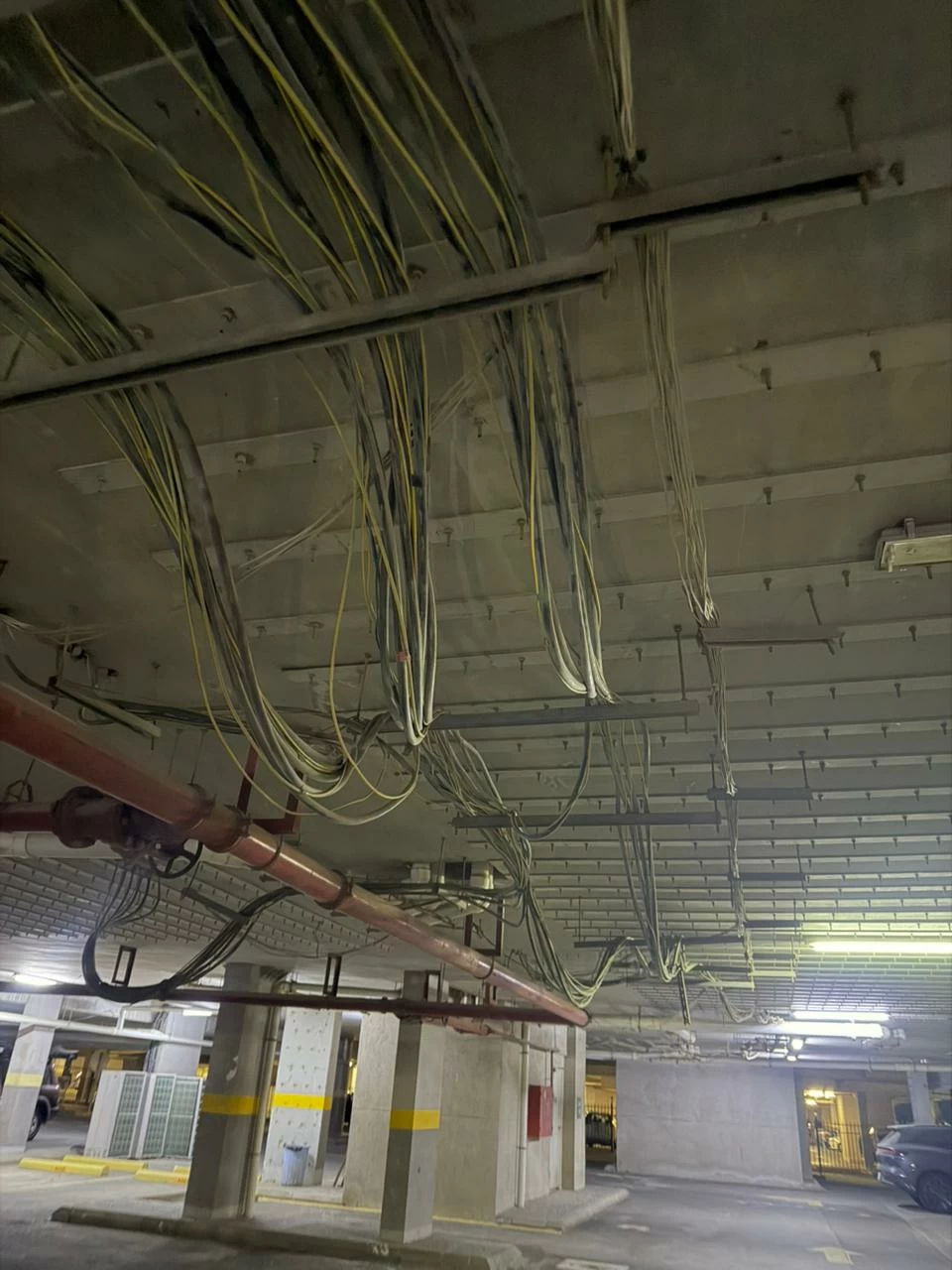
المواطنة أفادت في دعواها، أن العقار الذي اشترته تبيّن لاحقاً أن فيه عيوباً خفية مؤثرة لم يكن بالإمكان اكتشافها وقت التعاقد، وأنها لم تكن لتقدم على شراء العقار لو علمت بها مسبقاً. وأكدت، أن تقرير الخبير أثبت وجود «تنميلات» وشروخ في أسقف غرف النوم والحمامات وانفصال في أعمال «الكرانيش» الجبسية، وترخيم في البلاطات الخرسانية للأسقف وشروخ إنشائية في عدد من الغرف وهبوط في الكوابيل الخرسانية، إضافة إلى أخطاء تصميمية تنفيذية في الهيكل الإنشائي مع شروخ في جدران الحمامات وعيوب في أعمال اللياسة والأعتاب، فضلاً عن آثار تسربات مياه في سقف مواقف السيارات وأحمال إضافية لم تؤخذ في الاعتبار عند التصميم الإنشائي، يضاف لتلك العيوب خلل في الهيكل الإنشائي يستوجب المعالجة والتدعيم بشكل عاجل قبل استمرار استخدام المبنى، بحسب خبير هندسي منتدب من المحكمة.
وأضافت المدعية، أن العيوب جوهرية وتمس سلامة العقار ذاته، كما أنها تتعارض مع الغرض الأساسي من الشراء وهو السكن الدائم والآمن. وأشارت إلى أن عدداً من ملاك المشروع ذاته أقاموا دعاوى مماثلة وصدر لبعضهم أحكام بفسخ العقود بسبب العيوب الإنشائية، وطلبت من المحكمة فسخ عقد البيع وإلزام البنك برد جميع المبالغ المدفوعة.
البنك: المفرط أولى بالخسارة!
ممثل البنك أجاب في الدعوى أمام المحكمة بعدة دفوع قانونية وفقاً لنظام المعاملات المدنية، أبرزها أن المشترية أقرت أنها عاينت العقار بنفسها أو بواسطة مختصين قبل الشراء، وبالتالي فإنها قبلت حالة العقار. وأضاف في جوابه، أنه يتوجب على المشتري إبلاغ البائع عند اكتشاف العيب خلال مدة معقولة، وإلا اعتبر قابلاً للمبيع بحالته وهو ما لم يحدث، وتمسك البنك ببند عقدي نص على أن المشترية عاينت العقار معاينة تامة وأجرت الفحوصات الهندسية اللازمة وقبلت العقار بحالته الراهنة وأبرأت البنك من جميع العيوب الظاهرة والخفية.
وأضاف ممثل البنك، أن المشترية أقرت بمعاينتها للمبيع بواسطة مختصين فتكون بذلك قبلت به، والقول غير ذلك يعد تفريطاً منها، والمفرط أولى بالخسارة، كما أن البنك لا يعلم عن هذه العيوب، لاسيما بأن المدعية كانت عالمة بالمبيع وهي من أحضرته للبنك بغرض إعادة تمويله عليها. وختم ممثل البنك رده بتمسكه بسلامة موقفه وطلب رد الدعوى.
عقد إذعان.. الضرر يزالردت المدعية على البنك أمام المحكمة بعدة حجج قانونية، أبرزها أن العيوب خفية وليست ظاهرة، وأكدت، أن العيوب المكتشفة إنشائية جوهرية ومستندة إلى أسباب سابقة على البيع، ولا يمكن اكتشافها وقت المعاينة. وذكرت، أنها بادرت بإبلاغ البنك بمجرد اكتشاف المشكلات الإنشائية، إلا أنه لم يستجب لمعالجة الوضع أو فسخ العقد. ودفعت المدعية بأن عقد التمويل والبيع المقدم من البنك عقد إذعان لا يملك العميل مناقشة شروطه أو تعديلها، وأن شرط الإعفاء من العيوب الخفية يعد شرطاً تعسفياً يضر بالمستهلك.
وتابعت بالقول، إن نظام المعاملات المدنية منح المحكمة الحق في تعديل الشروط التعسفية الواردة في عقود الإذعان أو إعفاء الطرف المذعن منها بما يحقق العدالة، وطالبت المشترية بتطبيق القاعدة النظامية «الضرر يزال» نظراً للأضرار التي لحقت بها نتيجة العيوب الإنشائية الجسيمة.
محكمة الاستئناف تؤيد
درست المحكمة الدعوى والردود، ورأت أن التقرير الهندسي أثبت وجود عيوب إنشائية خفية ومؤثرة، وأن البنك لم يقدم ما يدحض التقرير الفني، كما اعتبرت شرط الإعفاء من المسؤولية الوارد في العقد لا يحول دون حماية المشتري في مثل هذه الحالة، خصوصاً مع ثبوت أن العيوب تمس سلامة العقار وتمنع الانتفاع الطبيعي به. وبناءً على ذلك، أصدرت المحكمة قرارها بفسخ عقد البيع وإلزام البنك برد كامل المبالغ التي سددتها المدعية. وفي وقت لاحق أيدت محكمة الاستئناف الحكم ليصبح نهائياً واجب النفاذ.
متضررون لـ«عكاظ»: «من جوه يعلم الله»!
عدد من المواطنين والمواطنات من المتضررين أبلغوا «عكاظ»، أن بعض الملاك مرتبطون بعقود تمويل طويلة تمتد لـ20 عاماً، وتتعارض مع عمر العقار الحالي وتفرض فائدة أيضاً تزيد الغبن، وبعضهم اشترى بسعر مرتفع نقداً، وآخرون بالتمويل البنكي، وبعضهم باع العقار «افتكاكاً من الصداع» طبقاً لتعبيرهم.
ووصفت «أم فيصل وأم عزام وأم أسيل»، لـ«عكاظ»، العقار محل النزاع بأنه في موقع إستراتيجي وسط جدة، وكان من المفترض والمأمول أن يكون على أعلى درجات الجمال، وهو مكون من 3 مجمعات سكنية كل مجمع فيه 4 مبان، وكل مجمع فيه 124 شقة، ليصبح مجموع الشقق في المشروع 372 شقة، لكن انطبق عليه المثل الشعبي الشهير «من جوه يعلم الله».
البنوك.. فيها الخصام وهي الخصم والحكم
طالب السكان أمانة جدة بالوقوف على برج 4 في المجمع السكني لفحص أوضاعه والتحقق من أنه مناسب، لا سيما مع انتشار معلومات متداولة أن المطور يخطط لنقل السكان مؤقتاً من شققهم في البرج 2-3، الصادر بحقهم أمر إخلاء من الأمانة إلى البرج رقم 4 مؤقتاً. وأعربوا عن قلقهم من أن تكون العيوب طالت الأبراج الأربعة، يضاف لذلك مخاوفهم من أن يكون الملاك المتضررون ضحية لأي تحايل، كما أبدوا مخاوفهم من الانتقال للبرج الجديد 4 ومن ثم بيعه لاحقاً للغير، وبالتالي يصبحون ملزمين بالإخلاء من المالك الجديد. وطالب المتضررون في حديثهم الموجز لـ«عكاظ»، بإلزام الجهة المتسببة بنقل السكان إلى شقق غير المجمع الحالي، خصوصاً مع ثبوت وجود مخالفات وعدم ترميم وعدم وجود شهادة إتمام البناء (إشغال) أو رخص للسلامة المدنية أو شهادة لتقرير سلامة إنشاء المشروع في ظل مخالفات استشاري المشروع ورصد تعديلات في المخططات التنفيذية للمشروع وتعديل التسليح، بحسب حديثهم.
وقالوا، إن رحلة التقاضي والشكاوى مع البنوك شاقة، ينطبق عليها «فيها الخصام وهي الخصم والحكم»، وأضافوا: «نحن أسر متواضعة ليست لدينا الإمكانات الكبيرة ولا نقوى على تحمل أتعاب المحاماة وأروقة التقاضي سواء في المحاكم أو اللجان المختصة».
نثق في الأمانة
تمسك المتضررون بضرورة أن تتولى أمانة جدة – لثقتهم في أعمالها – متابعة جميع أعمال الترميم ومراجعة كل ما تم، والتحقق من وجود رخص نظامية مطابقة للواقع، فضلاً عن إلزام المالك باستخراج شهادة «إشغال» للمبنى تصدر عن الأمانة، ومطابقة التصاريح بالتنفيذ والمخططات التصميمية والإفصاح عن أي عيوب، إضافة إلى التأمين على المباني تأميناً يشمل العيوب الخفية، واستنكروا من التأخير والمماطلة في أعمال الترميم للشقق المتضررة رغم صدور قرار ورخصة من الأمانة بذلك.
لماذا صدر قرار الإخلاء؟
متحدث أمانة جدة محمد البقمي، كان قد كشف لـ«عكاظ»، تلقي الأمانة شكاوى من سكان المبنى بخصوص وجود ملاحظات على الوحدات السكنية، التي نشرت «عكاظ» تفاصيلها عن 4 عمائر سكنية في وسط جدة، أظهرت تقارير فنية وجود عيوب هندسية بها. وأشار إلى أن الأمانة اتخذت الإجراءات النظامية بإصدار أمر بالإخلاء حفاظاً على سلامة السكان والممتلكات. وبين، أن الأمانة كلفت فريقاً فنياً مختصاً، بمعاينة المجمع السكني، وأظهرت نتائج الفحص الفني وجود ملاحظات تتطلب تنفيذ أعمال معالجة إنشائية، وتم إصدار رخصة ترميم بتاريخ 17 محرم 1446هـ، ونظراً لعدم إتمام عملية الترميم حتى تاريخه، صدر إشعار نهائي بإخلاء المبنى وإلزام المطور بعمل الترميم بالتنسيق مع الجهات المعنية.
In a new development regarding the residential complex estimated at 360 million riyals in the heart of Jeddah, “Okaz” learned that the Jeddah Court of Appeals upheld a ruling issued by the General Court that annulled the contract between a citizen who purchased a condominium in the residential complex for two million riyals, financed by one of the banks, after it was proven that there were substantial defects in the building. The court appended its final decision with an executive formula.
According to the facts exclusively published by “Okaz,” a dispute between the owner of a residential apartment and one of the financing banks ended with the annulment of the real estate sale contract, obliging the bank to refund all amounts paid by the buyer, after an engineering report confirmed the existence of substantial and hidden structural defects in the residential building that threaten its structural integrity and prevent its normal use.
The details date back to when the citizen purchased a condominium located within a residential complex in Jeddah, with an area of approximately 220 square meters under a Murabaha contract. She paid an initial installment of 120,000 riyals and continued to pay installments until she had paid about 150,000 riyals. After a period of residence, structural problems began to appear that were not evident at the time of purchase, prompting her to resort to the judiciary and subsequently seek the assistance of an engineering expert appointed by the court to inspect the property.
“Numbness” and separation in the “cornices”
The citizen stated in her lawsuit that the property she purchased later turned out to have hidden defects that could not have been discovered at the time of contracting, and that she would not have proceeded with the purchase had she known about them beforehand. She confirmed that the expert’s report proved the existence of “numbness” and cracks in the ceilings of the bedrooms and bathrooms, separation in the gypsum cornices, sagging in the concrete slabs of the ceilings, structural cracks in several rooms, and sinking in the concrete beams, in addition to design and execution errors in the structural framework with cracks in the bathroom walls and defects in the plastering and lintels, as well as signs of water leaks in the ceiling of the parking lot and additional loads that were not taken into account during the structural design. Furthermore, the expert appointed by the court indicated that there was a defect in the structural framework that required urgent treatment and reinforcement before the building could continue to be used.
The plaintiff added that the defects were substantial and affected the safety of the property itself, and that they contradicted the primary purpose of the purchase, which was permanent and safe housing. She pointed out that several other owners of the same project had filed similar lawsuits, and some had received rulings to annul their contracts due to structural defects, requesting the court to annul the sale contract and obligate the bank to refund all amounts paid.
The bank: The negligent should bear the loss!
The bank’s representative responded in the lawsuit before the court with several legal defenses according to the Civil Transactions Law, the most prominent of which was that the buyer acknowledged that she inspected the property herself or through specialists before the purchase, and thus accepted the condition of the property. He added in his response that the buyer is required to notify the seller upon discovering the defect within a reasonable period; otherwise, it is considered accepted in its current condition, which did not happen. The bank insisted on a contractual clause stating that the buyer inspected the property thoroughly and conducted the necessary engineering tests and accepted the property in its current condition, releasing the bank from all apparent and hidden defects.
The bank’s representative further stated that the buyer acknowledged her inspection of the sale by specialists, thus accepting it, and any claim to the contrary would be considered negligence on her part, and the negligent should bear the loss. He also stated that the bank was unaware of these defects, especially since the plaintiff was aware of the sale and was the one who brought it to the bank for refinancing. The bank’s representative concluded his response by maintaining the validity of his position and requesting the dismissal of the lawsuit.
Contract of adhesion… the damage is removedThe plaintiff responded to the bank before the court with several legal arguments, the most prominent of which was that the defects were hidden and not apparent. She confirmed that the discovered defects were substantial structural defects based on reasons predating the sale and could not be discovered at the time of inspection. She mentioned that she promptly notified the bank as soon as she discovered the structural problems; however, it did not respond to remedy the situation or annul the contract. The plaintiff argued that the financing and sale contract presented by the bank was a contract of adhesion, where the client had no ability to negotiate or amend its terms, and that the clause exempting from hidden defects was an arbitrary condition harmful to the consumer.
She continued by stating that the Civil Transactions Law granted the court the right to amend the arbitrary conditions contained in adhesion contracts or exempt the adhering party from them in a manner that achieves justice, and she demanded the application of the legal principle “the damage is removed” due to the damages she suffered as a result of the serious structural defects.
The Court of Appeals affirms
The court studied the lawsuit and the responses and found that the engineering report proved the existence of hidden and significant structural defects, and that the bank did not provide anything to refute the technical report. The court also considered that the clause exempting from liability contained in the contract did not prevent the protection of the buyer in such cases, especially with the proven fact that the defects affect the safety of the property and prevent its normal use. Accordingly, the court issued its decision to annul the sale contract and obligate the bank to refund all amounts paid by the plaintiff. Later, the Court of Appeals upheld the ruling, making it final and enforceable.
Victims to “Okaz”: “Only God knows from the inside!”
Several citizens affected reported to “Okaz” that some owners were tied to long financing contracts extending for 20 years, which contradicts the current age of the property and also imposes an interest that increases the burden. Some purchased at a high cash price, others through bank financing, and some sold the property “to get rid of the headache,” according to their expression.
“Um Faisal, Um Azam, and Um Asil” described to “Okaz” the property in dispute as being in a strategic location in the heart of Jeddah, and it was supposed and hoped to be of the highest beauty. It consists of three residential complexes, each containing four buildings, with each complex having 124 apartments, making the total number of apartments in the project 372. However, the famous popular saying applies to it: “Only God knows from the inside.”
Banks… they are both the adversary and the judge
The residents called on the Jeddah Municipality to inspect Tower 4 in the residential complex to examine its conditions and verify that it is suitable, especially with the spread of circulating information that the developer plans to temporarily relocate residents from their apartments in Towers 2-3, which have received eviction orders from the municipality, to Tower 4 temporarily. They expressed their concern that the defects might have affected all four towers, in addition to their fears that the affected owners might fall victim to any deception. They also expressed concerns about moving to the new Tower 4 and then selling it later to others, thus becoming obligated to vacate for the new owner. The affected individuals, in their brief statements to “Okaz,” demanded that the responsible party be obligated to relocate residents to apartments outside the current complex, especially with the proven existence of violations, lack of restoration, and absence of a completion certificate (occupancy) or licenses for civil safety or a certificate for the safety report of the project in light of the violations of the project consultant and the observation of modifications in the project’s execution plans and reinforcement adjustments, according to their statements.
They said that the litigation and complaints journey with the banks is arduous, applying the saying “it is both the adversary and the judge,” and added: “We are modest families without significant resources and cannot bear the costs of lawyers and the corridors of litigation, whether in courts or specialized committees.”
We trust the municipality
The affected individuals insisted on the necessity for the Jeddah Municipality – due to their trust in its work – to follow up on all restoration works and review everything that has been done, verify the existence of legal licenses matching reality, in addition to obligating the owner to obtain an “occupancy” certificate for the building issued by the municipality, and matching the permits with the execution and design plans and disclosing any defects, in addition to insuring the buildings with insurance that covers hidden defects. They expressed their outrage at the delay and procrastination in the restoration works for the damaged apartments despite the issuance of a decision and a license from the municipality for that.
Why was the eviction order issued?
The spokesperson for the Jeddah Municipality, Mohammed Al-Buqami, had revealed to “Okaz” that the municipality received complaints from residents of the building regarding observations on the residential units, which “Okaz” published details about concerning four residential buildings in the heart of Jeddah, which showed technical reports indicating engineering defects. He pointed out that the municipality took legal measures by issuing an eviction order to preserve the safety of residents and property. He indicated that the municipality assigned a specialized technical team to inspect the residential complex, and the results of the technical inspection showed observations that require the implementation of structural treatment works. A restoration license was issued on 17 Muharram 1446 AH, and due to the failure to complete the restoration process to date, a final notice was issued to vacate the building and obligate the developer to carry out the restoration in coordination with the relevant authorities.
تعليقات