تايوان تدعو لمواجهة التوسع البحري الصيني – أخبار السعودية

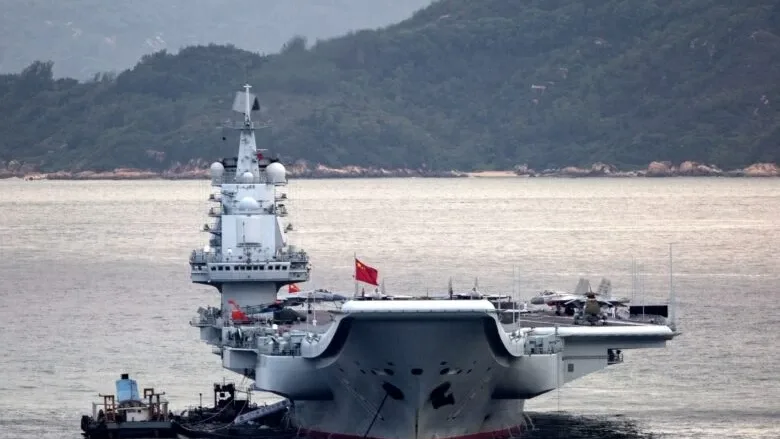
حذّر مسؤول أمني تايواني بارز من استمرار ما وصفه بـ«التوسع الاستبدادي» للصين في المناطق البحرية، داعياً المجتمع الدولي إلى اتخاذ خطوات مضادة قبل أن تتوسع بكين في فرض نفوذها على الممرات والمياه المتنازع عليها.
وقال نائب الأمين العام لمجلس الأمن القومي في تايوان، لي وين، خلال منتدى تايوان الدولي للمحيطات: إن الصين تواصل توسيع نطاق تحركاتها البحرية عبر «نهج تدريجي» يعتمد على تحقيق مكاسب صغيرة ومتراكمة للوصول إلى أهداف إستراتيجية أوسع.
وتنتشر السفن الصينية بشكل متكرر في بحر الصين الشرقي ومضيق تايوان وبحر الصين الجنوبي، في إطار مساعي بكين لتعزيز مطالبها السيادية في مناطق تشمل تايوان وجزر ومياه متنازع عليها.
وأوضح لي أن مظاهر هذا التوسع تشمل استخدام السفن العسكرية، وقوات خفر السواحل، والمليشيات البحرية، إضافة إلى سفن الأبحاث، بهدف «تحويل الممرات الملاحية الدولية إلى مياه داخلية».
وأضاف: «إذا فشل العالم في أخذ مخاوفنا في الاعتبار أو في التحرك، فسيستمر هذا التوسع».
من جهتها، قالت وزيرة الشؤون البحرية التايوانية، كوان بي-لينغ، إن اليابان والفلبين تواجهان، إلى جانب تايوان، «النمط ذاته من الأفعال» الصينية، مشيرة إلى أن هذه التحركات تتم بطريقة محسوبة لتجنب الانزلاق نحو مواجهة عسكرية تقليدية.
وجاءت تصريحات المسؤولين التايوانيين بعد يوم من مواجهة جديدة بين سفن خفر السواحل اليابانية والصينية قرب الجزر المتنازع عليها، التي تسميها اليابان جزر «سينكاكو»، بينما تطلق عليها الصين اسم (دياويو).
وفي السياق، أكدت طوكيو أنها أبعدت سفينتين صينيتين كانتا تقتربان من قارب صيد ياباني في المنطقة، فيما قالت بكين إنها أبعدت القارب الياباني، متهمة إياه بدخول «المياه الإقليمية الصينية بشكل غير قانوني».
A senior Taiwanese security official warned of the ongoing what he described as “authoritarian expansion” of China in maritime areas, calling on the international community to take countermeasures before Beijing expands its influence over disputed corridors and waters.
The Deputy Secretary-General of Taiwan’s National Security Council, Lee Wen, stated during the International Taiwan Ocean Forum that China continues to expand its maritime activities through a “gradual approach” that relies on achieving small, cumulative gains to reach broader strategic goals.
Chinese ships frequently operate in the East China Sea, the Taiwan Strait, and the South China Sea, as part of Beijing’s efforts to bolster its sovereign claims in areas including Taiwan and disputed islands and waters.
Lee explained that manifestations of this expansion include the use of military ships, coast guard forces, maritime militias, in addition to research vessels, with the aim of “transforming international shipping lanes into internal waters.”
He added, “If the world fails to take our concerns into account or to act, this expansion will continue.”
For her part, Taiwan’s Minister of Maritime Affairs, Kuan Bi-ling, stated that Japan and the Philippines, along with Taiwan, are facing “the same pattern of Chinese actions,” noting that these movements are carried out in a calculated manner to avoid slipping into a conventional military confrontation.
The statements from the Taiwanese officials came a day after a new confrontation between Japanese and Chinese coast guard ships near the disputed islands, which Japan calls the “Senkaku Islands,” while China refers to them as (Diaoyu).
In this context, Tokyo confirmed that it had driven away two Chinese ships that were approaching a Japanese fishing boat in the area, while Beijing claimed it had driven away the Japanese boat, accusing it of entering “Chinese territorial waters illegally.”