فارس مراد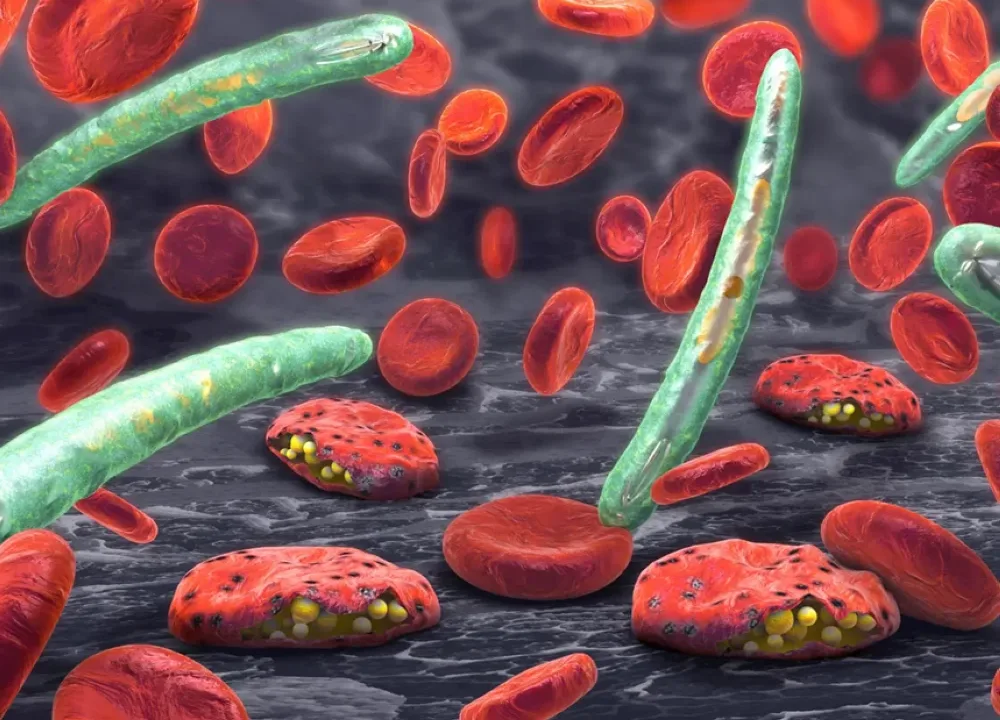
قدمت دراسة حديثة أجراها باحثون من كلية فاجيلوس للأطباء والجراحين بجامعة كولومبيا الأمريكية اكتشافًا جديدًا يعيد تشكيل الفهم العلمي لآلية وصول طفيليات الملاريا إلى خلايا الدم الحمراء البشرية، ما قد يسهم في تعزيز الجهود لمكافحة المرض. وكانت النظرية السائدة تقول إن طفيليات الملاريا تغزو خلايا الدم الحمراء عبر بنية بروتينية حلقية تُعرف باسم «الوصلة المتحركة»، إلا أن آلية عمل هذه البنية ظلت غير واضحة؛ لأن عمرها لا يتجاوز 60 ثانية قبل أن تتفكك، ما صعّب على الباحثين دراستها. وذكرت دورية «سيل ريبورتس ميديسن» أن الباحثين تمكنوا من إيقاف الطفيليات «المتصورة المنجلية» (بلازموديوم فالسيباروم) أثناء اختراقها خلايا الدم الحمراء، ثم استخرجوا المركب البروتيني سليمًا وجمدوه، قبل فحصه باستخدام مجاهر عالية الدقة. ووجد الباحثون أنه خلافًا للاعتقاد السائد بأن الوصلة المتحركة تقتصر على الالتصاق بالخلية والعمل مدخلًا سلبيًا، فإنها تثقب غشاء الخلية المضيفة وتعيد تشكيله، بما يسهل عبور الطفيليات إلى داخلها. وقال قائد الدراسة تشي مين: «عرفنا منذ عقود أن هذا الهيكل (الوصلة المتحركة) ضروري لدخول الطفيليات إلى الخلية، ولكن لم نكن نعرف كيف يعمل بالضبط، وإن استخراجه مباشرة من الطفيليات سليمًا سمح لنا أخيرًا بأن نطرح هذا السؤال». وتمكن الباحثون، بعد تحليل هذه الوصلة المتحركة، من تصميم بروتين تجريبي يمنع دخول الطفيليات، وهو ما يعد دليلًا محتملًا على مفهوم لنوع جديد من الأدوية المضادة للملاريا.
A recent study conducted by researchers from the Vagelos College of Physicians and Surgeons at Columbia University in the United States has made a new discovery that reshapes the scientific understanding of how malaria parasites reach human red blood cells, which could contribute to enhancing efforts to combat the disease. The prevailing theory suggested that malaria parasites invade red blood cells through a ring-shaped protein structure known as the “moving junction,” but the mechanism of action of this structure remained unclear; its lifespan is no more than 60 seconds before it disassembles, making it difficult for researchers to study. The journal Cell Reports Medicine stated that the researchers were able to halt the “Plasmodium falciparum” parasites as they penetrated red blood cells, then extracted the protein complex intact and froze it before examining it using high-resolution microscopes. The researchers found that, contrary to the prevailing belief that the moving junction is limited to adhering to the cell and functioning as a passive entry point, it actually punctures the host cell membrane and reshapes it, facilitating the parasites’ passage inside. Study leader Chi Minh said, “We have known for decades that this structure (the moving junction) is essential for the parasites to enter the cell, but we did not know exactly how it works, and extracting it directly from the parasites intact finally allowed us to ask this question.” After analyzing this moving junction, the researchers were able to design an experimental protein that prevents the entry of the parasites, which represents potential evidence for a new concept for anti-malarial drugs.