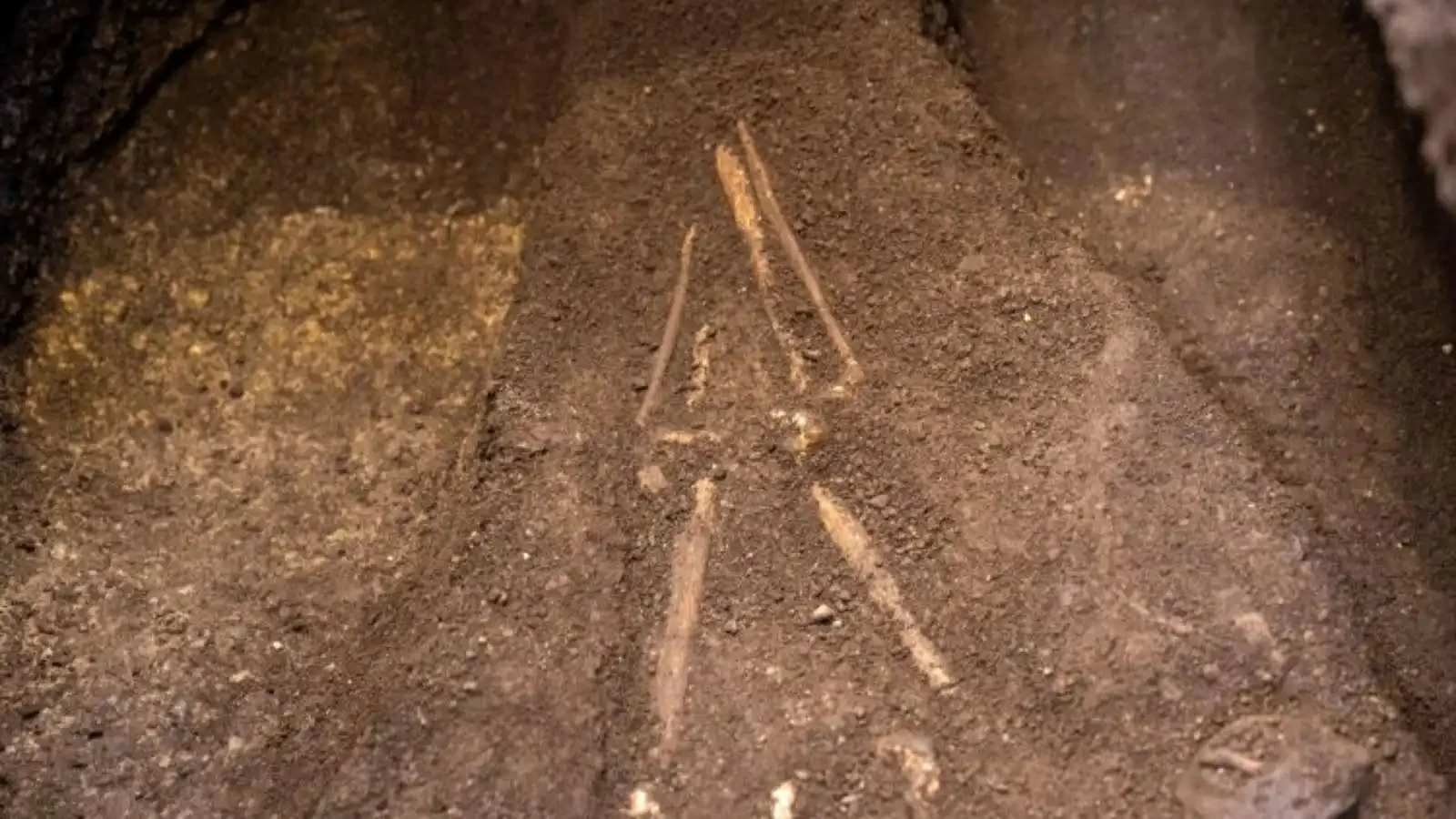
قد يحمل باطن الأرض أسراراً ظلت مدفونة لآلاف السنين، لكن كل اكتشاف أثري جديد يفتح نافذة على حياة شعوب اندثرت منذ زمن بعيد. وفي السلفادور، قاد اكتشاف غير متوقع إلى إعادة إحياء فصل جديد من تاريخ المنطقة قبل أكثر من ثلاثة آلاف عام.
يحقق علماء آثار في السلفادور في موقع دفن يُعتقد أنه يعود إلى نحو عام 850 قبل الميلاد، بعد اكتشاف رفات بشري في منطقة أنتيغوا كوسكاتلان، إحدى ضواحي العاصمة سان سلفادور.
اقرأ أيضا: عاجل.. قطع المياه 12 ساعة اليوم عن عدد من المناطق
وبدأت أعمال التنقيب بإشراف فريق من علماء الآثار والمرممين، وأسفرت الحفريات عن العثور على جمجمة بشرية إلى جانب إناء خزفي صغير من طراز «أوسولوتان» صُمم على هيئة سلحفاة بحرية. كما ساعدت طبقات من الرماد البركاني في الحفاظ على بقايا أغصان نبات الكسافا، ما وفر للباحثين أدلة إضافية عن البيئة التي أحاطت بالموقع قديماً.
وترجح الجهات المختصة أن يكون هذا الموقع من أقدم مواقع الدفن المعروفة في أمريكا الوسطى التي تعود إلى ما قبل الاستعمار الإسباني، وهو ما قد يسهم في توسيع فهم تاريخ السكان الذين عاشوا في المنطقة قبل أكثر من ألفي عام.
ومن المقرر إخضاع الرفات لفحوصات التأريخ بالكربون المشع لتحديد عمره بدقة، إلى جانب تحاليل الحمض النووي لتحديد جنس صاحبه، خصوصاً أن الجثمان عُثر عليه بوضعية الوجه إلى الأسفل، وهي طريقة دفن تثير اهتمام الباحثين.
ويعتقد علماء الآثار أن بعض خصائص الموقع تتشابه مع موقع تشالتشوابا الأثري في غرب السلفادور، الذي شهد خلال سبعينيات القرن الماضي اكتشاف رفات 33 شخصاً.
كما تشير المعطيات الأولية إلى أن الموقع يضم 26 هيكلاً عظمياً كاملاً، وأربعة هياكل عظمية جزئية، وثلاث جماجم منفصلة. وأظهرت بعض الرفات آثاراً توحي بتقييد اليدين والقدمين، فيما حملت أخرى علامات تشويه أو فصل للرأس، وهي تفاصيل يأمل الباحثون أن تساعد في تفسير الطقوس والممارسات الجنائزية التي كانت سائدة آنذاك.
The Earth’s interior may hold secrets that have been buried for thousands of years, but every new archaeological discovery opens a window into the lives of peoples who vanished long ago. In El Salvador, an unexpected discovery has led to the revival of a new chapter in the region’s history over three thousand years ago.
Archaeologists in El Salvador are investigating a burial site believed to date back to around 850 BC, following the discovery of human remains in the Antigua Cuscatlán area, one of the suburbs of the capital, San Salvador.
The excavation work, supervised by a team of archaeologists and restorers, has resulted in the finding of a human skull alongside a small pottery vessel of the “Osolotán” style designed in the shape of a sea turtle. Layers of volcanic ash also helped preserve remnants of cassava plant branches, providing researchers with additional evidence about the environment surrounding the site in ancient times.
Authorities believe that this site may be one of the oldest known burial sites in Central America, dating back to before Spanish colonization, which could contribute to expanding the understanding of the history of the populations that lived in the region over two thousand years ago.
The remains are set to undergo radiocarbon dating tests to accurately determine their age, along with DNA analysis to identify the gender of the individual, especially since the body was found face down, a burial method that intrigues researchers.
Archaeologists believe that some characteristics of the site are similar to the Chalchuapa archaeological site in western El Salvador, where the remains of 33 individuals were discovered during the 1970s.
Initial data also indicate that the site contains 26 complete skeletons, four partial skeletons, and three separate skulls. Some of the remains showed signs suggesting the binding of hands and feet, while others bore marks of mutilation or decapitation, details that researchers hope will help explain the rituals and funerary practices that were prevalent at that time.
اقرأ أيضا: تسريب بيانات «تريبيكا» يعصف بخصوصية مشاهير هوليوود – أخبار السعودية