
بعد قرار أممي تاريخي.. أفريقيا والكاريبي يصعّدان ملف تعويضات تجارة العبيد – أخبار السعودية
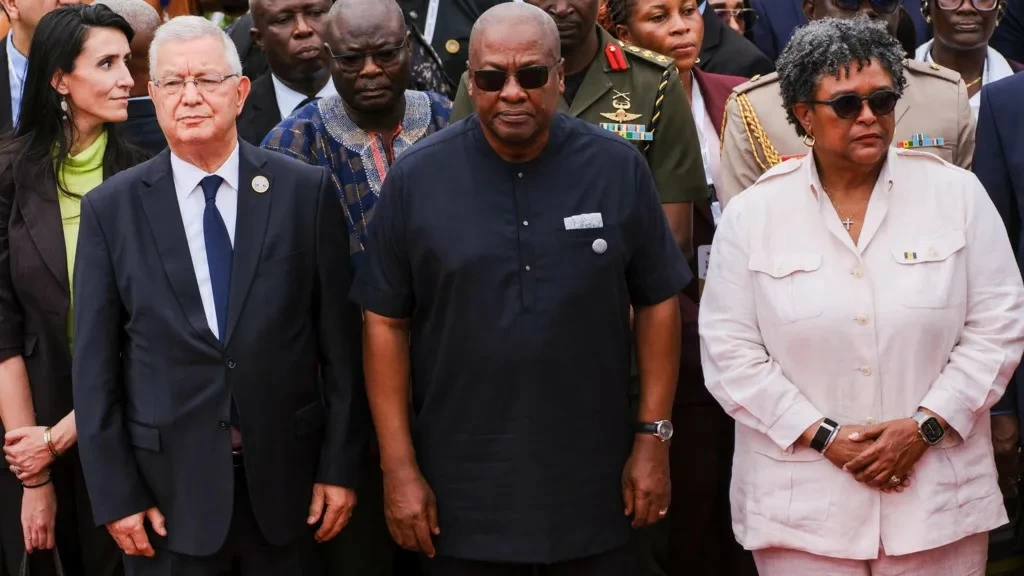

جددت دول أفريقية وكاريبية مطالبها للدول التي استفادت تاريخيًا من تجارة الرقيق عبر المحيط الأطلسي بتقديم اعتذار رسمي وتعويضات شاملة، في خطوة تعكس تصاعد الدعوات الدولية لإعادة النظر في الإرث الاقتصادي والإنساني للعبودية.
وبحسب شبكة BBC، جاءت المطالب في ختام مؤتمر استمر ثلاثة أيام بالعاصمة الغانية أكرا، تحت عنوان «الخطوات المقبلة»، الذي ناقش سبل تعزيز مسار العدالة التعويضية ومعالجة الآثار الممتدة لتجارة العبيد عبر القرون.
وتزامنت هذه التحركات مع قرار تبنته الجمعية العامة للأمم المتحدة في مارس الماضي، وصف تجارة الرقيق عبر الأطلسي بأنها «أخطر جريمة ضد الإنسانية»، ودعا الدول الأعضاء إلى المساهمة في إنشاء صندوق دولي للتعويضات.
وتشير التقديرات التاريخية إلى أن ما بين 12 و15 مليون رجل وامرأة وطفل من أفريقيا تعرضوا للأسر والنقل القسري إلى الأمريكيتين بين القرنين الخامس عشر والتاسع عشر للعمل في ظروف العبودية.
خطة من 19 بندًا للمطالبة بالإنصاف
وأقر المشاركون خلال المؤتمر خطة مكونة من 19 بندًا تضمنت مجموعة واسعة من المطالب، من بينها إعفاء الدول المتضررة من بعض الديون، واستعادة الممتلكات الثقافية المنهوبة، وإنشاء صندوق عالمي للتعويضات، دون تحديد قيمة مالية بعينها.
كما تناولت الخطة الآثار الخاصة التي تعرضت لها النساء والفتيات الأفريقيات نتيجة أنظمة الاستعباد التاريخية.
ودعا القادة المشاركون الدول التي لعبت أدوارًا في تجارة الرقيق إلى تقديم «اعتذارات رسمية وكاملة وغير مشروطة»، باعتبارها خطوة أساسية ضمن مسار المصالحة التاريخية.
وقال الرئيس الغاني جون دراماني ماهاما، خلال كلمته بالمؤتمر، إن التاريخ لا يفرض على الأجيال الحالية الشعور بالذنب، لكنه يحمّلها مسؤولية التعامل مع تبعات الماضي والعمل على معالجتها.
ماكرون: التعويض لا يجب أن يقتصر على المال
وفي رسالة مصورة للمؤتمر، أقر الرئيس الفرنسي إيمانويل ماكرون بأن الأشخاص الذين تعرضوا للاستعباد جرى تجريدهم من إنسانيتهم والتعامل معهم كسلع.
لكنه شدد على أن التعويضات لا ينبغي أن تُختزل في المقابل المالي وحده، معتبرًا أنها لا يجب أن تتحول إلى «شيك مالي ينهي القصة».
انقسام دولي حول الملف
وكان تصويت الجمعية العامة للأمم المتحدة في مارس قد أظهر انقسامًا واضحًا حول القضية، إذ أيدت القرار 123 دولة، بينما عارضته الولايات المتحدة وإسرائيل والأرجنتين، في حين امتنعت 52 دولة، بينها المملكة المتحدة وعدد من دول الاتحاد الأوروبي.
ورغم أن قرارات الجمعية العامة غير ملزمة قانونيًا، فإنها تعكس تنامي الزخم السياسي والأخلاقي حول الملف.
وتواصل بريطانيا رفضها لمطالب دفع تعويضات، مؤكدة أن المؤسسات الحالية لا يمكن تحميلها المسؤولية القانونية عن أخطاء تاريخية وقعت قبل قرون.
كما أعلنت الولايات المتحدة أنها لا تعترف بوجود حق قانوني للحصول على تعويضات عن ممارسات لم تكن تُعد مخالفة للقانون الدولي وقت وقوعها، مع الإشارة إلى غياب معايير واضحة لتحديد الجهات المستفيدة من التعويض.
تعويضات للمالكين لا للضحايا
ورغم اتساع النقاش الدولي حول العدالة التاريخية، لم تدفع أي دولة حتى الآن تعويضات مباشرة لأحفاد المستعبدين أو للدول الأفريقية والكاريبية واللاتينية المتضررة.
وتشير سجلات تاريخية إلى أن معظم التعويضات الحكومية التي دفعت خلال القرن التاسع عشر ذهبت في الواقع إلى مالكي العبيد أنفسهم بعد إلغاء العبودية، وليس إلى الأشخاص الذين تعرضوا للاستعباد.
وفي بريطانيا، حصل ملاك العبيد خلال ثلاثينات القرن التاسع عشر على تعويضات تُقدّر قيمتها الحالية بأكثر من 21 مليار دولار بعد إلغاء نظام الرق.
African and Caribbean countries have renewed their demands to nations that historically benefited from the transatlantic slave trade for a formal apology and comprehensive reparations, in a move that reflects the growing international calls to reconsider the economic and humanitarian legacy of slavery.
According to the BBC, the demands came at the conclusion of a three-day conference in Ghana’s capital, Accra, titled “Next Steps,” which discussed ways to enhance the path of restorative justice and address the enduring impacts of the slave trade over the centuries.
These movements coincided with a decision adopted by the United Nations General Assembly last March, which described the transatlantic slave trade as “the most heinous crime against humanity,” and called on member states to contribute to the establishment of an international compensation fund.
Historical estimates indicate that between 12 and 15 million men, women, and children from Africa were subjected to enslavement and forced transportation to the Americas between the 15th and 19th centuries to work under conditions of slavery.
A 19-Point Plan for Demanding Justice
During the conference, participants approved a 19-point plan that included a wide range of demands, including debt relief for affected countries, the restitution of looted cultural properties, and the establishment of a global compensation fund, without specifying a particular financial amount.
The plan also addressed the specific impacts faced by African women and girls as a result of historical systems of enslavement.
Participating leaders called on countries that played roles in the slave trade to offer “formal, complete, and unconditional apologies,” considering it a fundamental step in the path of historical reconciliation.
Ghanaian President John Dramani Mahama stated during his speech at the conference that history does not impose guilt on current generations, but it does hold them responsible for addressing the consequences of the past and working to remedy them.
Macron: Compensation Should Not Be Limited to Money
In a video message to the conference, French President Emmanuel Macron acknowledged that those who were enslaved were stripped of their humanity and treated as commodities.
However, he emphasized that reparations should not be reduced to mere financial compensation, arguing that they should not turn into “a financial check that ends the story.”
International Division on the Issue
The vote by the United Nations General Assembly in March revealed a clear division on the issue, with 123 countries supporting the resolution, while the United States, Israel, and Argentina opposed it, and 52 countries, including the United Kingdom and several EU member states, abstained.
Although General Assembly resolutions are not legally binding, they reflect the growing political and moral momentum surrounding the issue.
Britain continues to reject demands for reparations, asserting that current institutions cannot be held legally responsible for historical wrongs committed centuries ago.
The United States also announced that it does not recognize the existence of a legal right to reparations for practices that were not considered violations of international law at the time they occurred, noting the absence of clear criteria for determining the beneficiaries of compensation.
Compensation for Owners, Not Victims
Despite the expanding international discussion on historical justice, no country has yet paid direct reparations to the descendants of the enslaved or to the affected African, Caribbean, and Latin American nations.
Historical records indicate that most government compensation paid during the 19th century actually went to the slave owners themselves after the abolition of slavery, rather than to the individuals who were enslaved.
In Britain, slave owners received compensation in the 1830s that is currently estimated to be worth over $21 billion after the abolition of slavery.
تعليقات