
الحذف لا يسقط العقوبة.. منع انتحال الأصوات في استخدامات الذكاء الاصطناعي – أخبار السعودية


عدّ المحامي والمستشار القانوني فيصل العصيمي، اعتماد ضوابط استخدام الذكاء الاصطناعي في المحتوى الإعلامي، تعزيز الشفافية، ورفع موثوقية المحتوى، وحماية للمجتمع من الممارسات المضللة والجرائم الرقمية، خصوصاً مع التوسع المتسارع في استخدام أدوات الذكاء الاصطناعي في القطاعين الإعلامي والإبداعي بالسعودية، مؤكداً أن الضوابط شددت على إلزام الجهات والمؤسسات الإعلامية وصناع المحتوى بالإفصاح الواضح والصريح عن أي مادة إعلامية تم إنتاجها أو تعديلها باستخدام تقنيات الذكاء الاصطناعي، سواء كانت مرئية أو صوتية أو نصية، مع التأكيد على عدم تضليل المتلقي أو إيهامه بأن المحتوى حقيقي أو موثق إذا كان قد خضع للتعديل أو الإنشاء الآلي.

وأضاف العصيمي لـ«عكاظ»، أن الضوابط تضمنت حظراً صريحاً لانتحال الأصوات أو الشخصيات أو استخدام تقنيات «التزييف العميق» بطريقة تؤدي إلى تضليل الجمهور أو الإساءة للأفراد والمؤسسات، إلى جانب منع نشر أي محتوى يتضمن معلومات غير صحيحة أو أخباراً مضللة أو مواد تثير البلبلة أو تؤثر على الرأي العام بطرق غير مشروعة.
وأكد، أن الضوابط التي اعتمدتها هيئة تنظيم الإعلام شددت أيضاً على أهمية الالتزام بالمعايير المهنية والأخلاقية عند استخدام أدوات الذكاء الاصطناعي، مع تحميل الجهة الناشرة المسؤولية الكاملة عن المحتوى المنتج أو المنشور، حتى وإن تم إنشاؤه عبر أنظمة وتقنيات ذكية، فالمسؤولية النظامية لا تسقط باستخدام الوسائل التقنية الحديثة.
منع انتهاك حريات الأفراد
المحامي العصيمي أوضح، أن الضوابط أكدت حماية الخصوصية والحقوق الشخصية، ومنع استخدام الذكاء الاصطناعي في أي محتوى ينتهك كرامة الأفراد أو يستغل الأطفال والفئات الضعيفة أو يتعارض مع القيم الدينية والوطنية أو يتضمن خطاب كراهية أو تمييزاً أو إثارة للنعرات.
كما ألزمت المؤسسات الإعلامية والمنصات الرقمية بوضع آليات واضحة للمراجعة والتدقيق قبل النشر، مع الفصل بين المحتوى التحريري والإعلاني، والإفصاح عن المواد الدعائية أو المدفوعة التي يتم إنتاجها أو الترويج لها باستخدام تقنيات الذكاء الاصطناعي، إضافة إلى احترام حقوق الملكية الفكرية وعدم استخدام المواد المحمية أو إعادة إنتاجها دون التصاريح النظامية اللازمة، خصوصاً مع الانتشار المتزايد للفيديوهات المفبركة وتقنيات انتحال الأصوات والشخصيات.
وأوضح، أن الفترة القادمة مرشحة لارتفاع القضايا المرتبطة بالجرائم الرقمية والتشهير والاحتيال الإلكتروني، نتيجة سهولة إنتاج محتوى مزيف يصعب أحياناً تمييزه عن الحقيقة عبر تقنيات «التزييف العميق»، وتقليد الأصوات والصور باستخدام الذكاء الاصطناعي.
الحذف لا يسقط المسؤولية
العصيمي بيّن، أن المحاسبة النظامية في السعودية تستند إلى عدة أطر تشريعية قائمة، أبرزها نظام مكافحة الجرائم المعلوماتية ونظام حماية البيانات الشخصية، إضافة إلى الأنظمة المتعلقة بالتشهير والاعتداء على الحياة الخاصة والاحتيال وإساءة استخدام وسائل التقنية.
وأشار إلى أن نشر أو إنتاج أو إعادة إرسال محتوى يتضمن تشهيراً أو انتحالاً للشخصيات عبر الوسائل التقنية قد يندرج ضمن الجرائم المعلوماتية، التي تصل عقوباتها إلى السجن والغرامات المالية ومصادرة الأجهزة المستخدمة، إلى جانب الحق الخاص بالمطالبة بالتعويض عن الأضرار المعنوية والمادية.
وأضاف، أن حذف المحتوى المخالف لا يعني بالضرورة سقوط المسؤولية القانونية، إذ قد تكون الجريمة قد اكتملت بمجرد النشر أو التداول أو تحقق الضرر، خصوصاً إذا تم توثيق المحتوى أو الإبلاغ عنه قبل حذفه.
صمام أمان للحماية
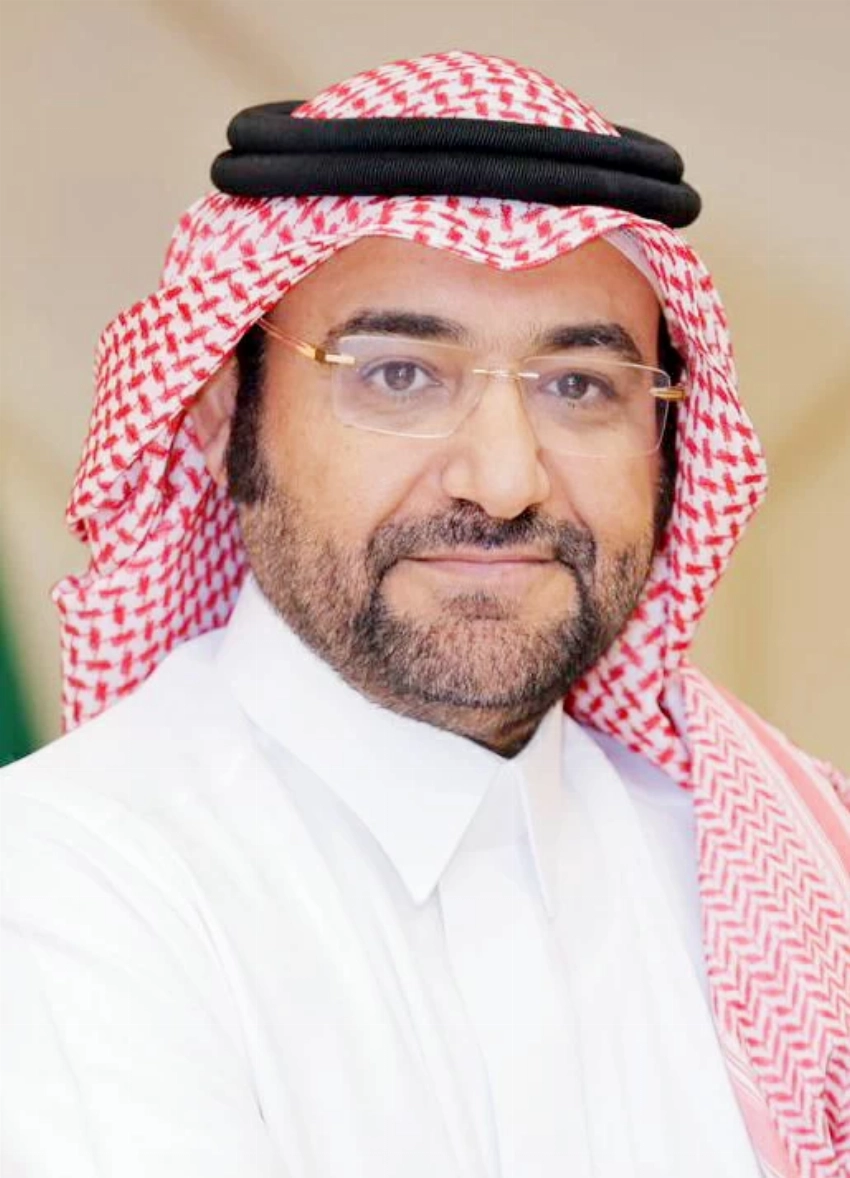
رئيس كرسي أبحاث التقنيات الناشئة وشبكات الجيل الخامس وما بعدها بجامعة الملك سعود، الدكتور سلمان بن وهف رأى عبر «عكاظ»، أن حوكمة وضبط المحتوى الإعلامي تمثل ضرورة إستراتيجية في العصر الرقمي، باعتبارها الضمانة لتحقيق التوازن بين الاستفادة من كفاءة تقنيات الذكاء الاصطناعي والحفاظ على القيم الأخلاقية والمهنية للإعلام.
وأوضح، أن إيجاد إطار تنظيمي لاستخدام الذكاء الاصطناعي لا يُعد مجرد إجراء إداري، بل يمثل «صمام أمان» يحمي وعي المتلقي ويصون جودة المنتج الإعلامي، بما يعزز الأمن المجتمعي وصورة الدولة داخلياً وخارجياً، ويضمن بقاء الإعلام شريكاً موثوقاً في بناء الوعي الوطني.
وحول إلزام الإفصاح عن المحتوى المنتج بالذكاء الاصطناعي، قال بن وهف، إن الإفصاح يُعد حجر الزاوية في بناء الثقة الرقمية الإعلامية، مؤكداً أن هذا الإجراء لا يحد من مرونة صناعة المحتوى، بل يسهم في تمكين المتلقي وتعزيز مصداقية المؤسسات الإعلامية.
وأشار إلى أن الإفصاح يسهم بشكل مباشر في مكافحة المعلومات المضللة، عبر تمكين الجمهور من معرفة مصدر المحتوى وطبيعة إنتاجه، كما يساعد في تحديد المسؤولية المهنية وتعزيز التكييف القانوني للمحتوى المولد بالذكاء الاصطناعي، مع التأكيد على أن التقنية تظل أداة مساعدة بينما يبقى الإنسان المسؤول الأول عن المنتج النهائي.
من الرفاهية إلى «الدمج الهيكلي»
الدكتور بن وهف، لفت إلى أن أدوات الذكاء الاصطناعي انتقلت من مرحلة الرفاهية التقنية إلى مرحلة الدمج الهيكلي داخل غرف الأخبار، إذ تُستخدم حالياً في أتمتة المهمات الروتينية، وتحليل البيانات الضخمة، والترجمة الفورية، وإنتاج الرسوم التوضيحية، بما يرفع كفاءة الإنتاج الإعلامي اليومي.
وأكد، أن مستقبل الإعلام يتجه نحو «الصحافة التنبئية» وتحليل الاتجاهات اللحظية اعتماداً على أدوات الذكاء الاصطناعي، إضافة إلى التوسع في المحتوى التفاعلي والمخصص لكل مستخدم، واستخدام المراسلين الافتراضيين وتقنيات الواقع المعزز والمحتوى المولد آلياً في التغطيات الإعلامية المختلفة.
Lawyer and legal advisor Faisal Al-Oseimi considered the adoption of regulations for the use of artificial intelligence in media content as a means to enhance transparency, increase the reliability of content, and protect society from misleading practices and digital crimes, especially with the rapid expansion in the use of AI tools in the media and creative sectors in Saudi Arabia. He emphasized that the regulations stressed the obligation of media entities and content creators to clearly and explicitly disclose any media material produced or modified using AI technologies, whether it is visual, audio, or textual, while ensuring that the audience is not misled or deceived into believing that the content is real or authentic if it has been modified or generated automatically.
Al-Oseimi added to “Okaz” that the regulations included a clear prohibition against impersonating voices or characters or using “deepfake” technologies in a way that misleads the public or harms individuals and institutions, in addition to preventing the publication of any content that includes incorrect information, misleading news, or materials that incite confusion or affect public opinion in illegal ways.
He confirmed that the regulations adopted by the Media Regulatory Authority also emphasized the importance of adhering to professional and ethical standards when using AI tools, holding the publishing entity fully responsible for the produced or published content, even if it was created through smart systems and technologies, as legal responsibility does not diminish with the use of modern technical means.
Preventing Violations of Individual Freedoms
Lawyer Al-Oseimi clarified that the regulations affirmed the protection of privacy and personal rights, prohibiting the use of AI in any content that violates the dignity of individuals, exploits children and vulnerable groups, contradicts religious and national values, or includes hate speech, discrimination, or incitement.
Media institutions and digital platforms were also required to establish clear mechanisms for review and auditing before publication, separating editorial content from advertising, and disclosing promotional or paid materials produced or promoted using AI technologies, in addition to respecting intellectual property rights and not using or reproducing protected materials without the necessary legal permissions, especially with the increasing spread of fabricated videos and voice and character impersonation techniques.
He explained that the upcoming period is likely to see an increase in cases related to digital crimes, defamation, and electronic fraud, due to the ease of producing fake content that is sometimes difficult to distinguish from reality through “deepfake” technologies and the imitation of voices and images using AI.
Deletion Does Not Eliminate Responsibility
Al-Oseimi indicated that legal accountability in Saudi Arabia is based on several existing legislative frameworks, the most prominent of which are the Anti-Cyber Crime Law and the Personal Data Protection Law, in addition to laws related to defamation, invasion of privacy, fraud, and misuse of technology.
He pointed out that publishing, producing, or retransmitting content that includes defamation or impersonation through technical means may fall under cyber crimes, which can lead to penalties including imprisonment, financial fines, and confiscation of the devices used, in addition to the private right to claim compensation for moral and material damages.
He added that deleting the offending content does not necessarily mean that legal responsibility is eliminated, as the crime may have been completed simply by publication, circulation, or the realization of harm, especially if the content was documented or reported before its deletion.
A Safety Valve for Protection
The head of the Chair for Emerging Technologies and Fifth Generation Networks and Beyond at King Saud University, Dr. Salman bin Wahf, stated through “Okaz” that governing and regulating media content represents a strategic necessity in the digital age, as it is the guarantee for achieving a balance between benefiting from the efficiency of AI technologies and maintaining the ethical and professional values of media.
He explained that creating a regulatory framework for the use of AI is not merely an administrative procedure, but represents a “safety valve” that protects the awareness of the audience and preserves the quality of media products, thereby enhancing community security and the image of the state both internally and externally, and ensuring that media remains a reliable partner in building national awareness.
Regarding the obligation to disclose AI-generated content, bin Wahf said that disclosure is the cornerstone of building digital media trust, emphasizing that this procedure does not limit the flexibility of content production, but rather contributes to empowering the audience and enhancing the credibility of media institutions.
He noted that disclosure directly contributes to combating misleading information by enabling the public to know the source of the content and the nature of its production, as well as helping to define professional responsibility and enhance the legal adaptation of AI-generated content, while emphasizing that technology remains an assisting tool while the human being remains the primary responsible party for the final product.
From Luxury to “Structural Integration”
Dr. bin Wahf pointed out that AI tools have moved from a stage of technical luxury to a stage of structural integration within newsrooms, as they are currently used to automate routine tasks, analyze big data, provide real-time translation, and produce illustrations, thereby increasing the efficiency of daily media production.
He confirmed that the future of media is heading towards “predictive journalism” and real-time trend analysis relying on AI tools, in addition to expanding interactive and personalized content for each user, and using virtual reporters and augmented reality techniques and automatically generated content in various media coverage.
تعليقات