
«الشورى» يطالب «الكهرباء» بتحفيز بيع الطاقة بالجملة – أخبار السعودية
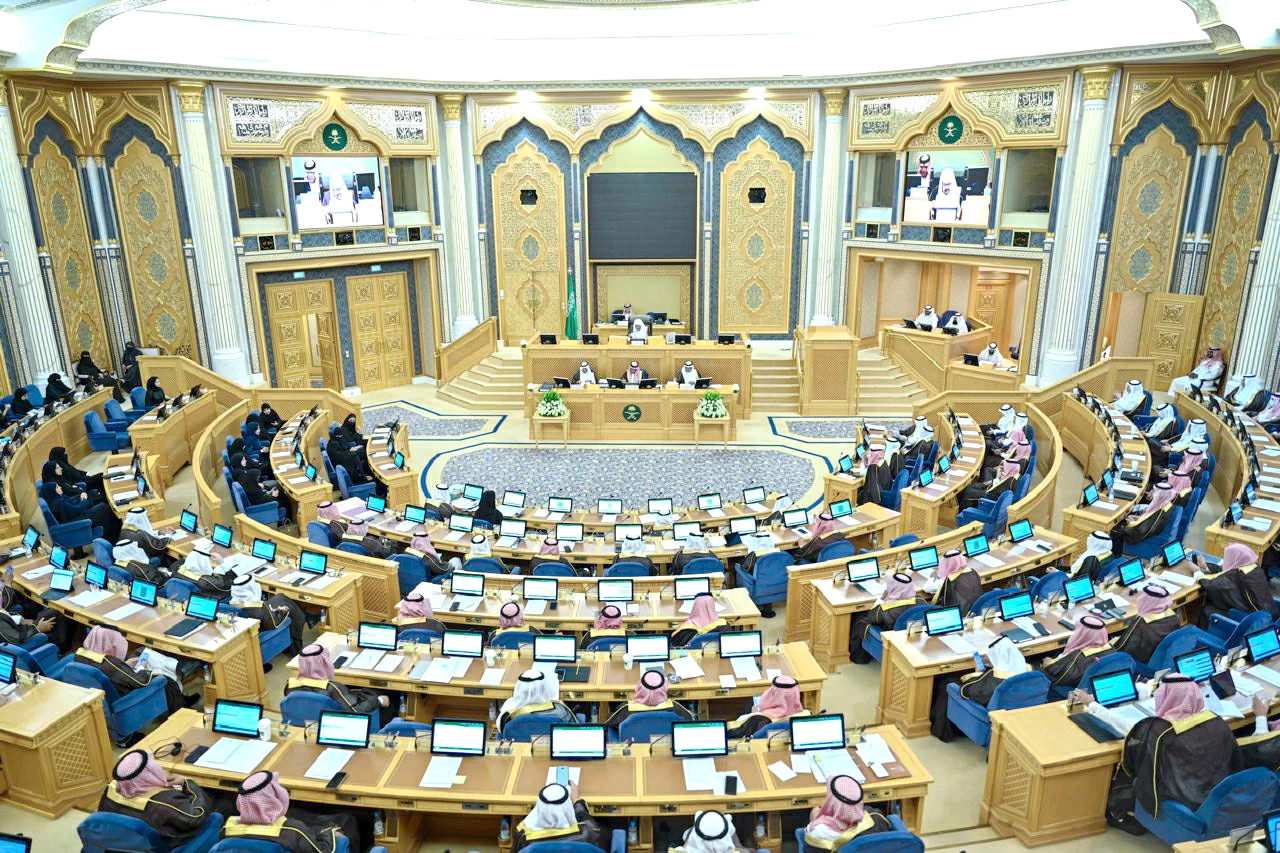

طالب مجلس الشورى، الهيئة السعودية لتنظيم الكهرباء بتحفيز نشاط بيع الكهرباء بالجملة، ومتابعة التزام المنشآت الحكومية الحيوية والحساسة بتوفير مصدر احتياطي للطاقة الكهربائية، وفقاً لما تحدده الجهات المختصة.
وأصدر المجلس، في جلسته العادية الثالثة والثلاثين من أعمال السنة الثانية للدورة التاسعة، المنعقدة برئاسة رئيس المجلس الدكتور عبدالله محمد آل الشيخ، قراراً طالب فيه المركز الوطني للأرصاد بتبنّي أنظمة هجينة تدمج ما بين الذكاء الاصطناعي والطرق التقليدية للتنبؤ بالطقس والتغييرات المناخية والظواهر الجوية. ودعا وكالة الأنباء إلى التعاون مع الجهات ذات العلاقة لدراسة خصخصة الجريدة الرسمية (أم القرى)، وتحويلها إلى شركة حكومية، مع توحيد وسائل نشر الإعلانات الحكومية في الجريدة؛ لتمكينها من تعزيز إيراداتها بشكل مباشر.
وناقش المجلس التقرير السنوي للهيئة العامة للطرق. وطالب عضو المجلس أسامة الربيعة الهيئة العامة للطرق بعمل دراسات لخلق فرص استثمارية على الطرق وتنويع مصادر الدخل تحقيقاً للاستدامة المالية ورفع كفاءة الإنفاق، وكذلك رفع مستوى السلامة في الطرق بتخفيض ﻣﻌﺪل اﻟﻮﻓﯿﺎت ﻋﻠﻰ اﻟﻄﺮق من خلال ﺗﺮﻛﯿﺐ أﻋﻤﺪة اﻹﻧﺎرة ﻋﻠﻰ اﻟﻄﺮق اﻟﺴﺮﯾﻌﺔ اﻟﺮاﺑﻄﺔ ﺑﯿﻦ المناطق.
التركي لـ«هيئة الطرق»:
استفيدوا من التجارب الدولية
دعا عضو المجلس اللواء منصور التركي، الهيئة العامة للطرق، إلى ضرورة توفير حلول لمعالجة أضرار مطبات السرعة التقليدية على المركبات، موضحاً عدم قدرة المطبات على تحقيق الأهداف المنشودة منها لتهدئة سرعة المركبات في المناطق الآهلة، وذهب في مداخلته إلى عدم كفاية الجهود التي تقوم بها الهيئة العامة للطرق، من خلال ورش العمل والرد على الاستفسارات لرفع الوعي بكود الطرق السعودي، وطالب الهيئة بتطوير دليل مرجعي شامل للحلول الهندسية الخاصة بتهدئة المرور على الطرق داخل النطاق العمراني وفق ما تضمنه كود الطرق السعودي، بالاستفادة من التجارب الدولية، والتنسيق مع الجامعات لعقد دورات خاصة لتأهيل وتدريب مهندسي المرور والطرق والنقل في كافة الجهات ذات العلاقة بتنفيذ وتشغيل الطرق على تطبيق كود الطرق السعودي في تنفيذ مهماتهم.
النجار: رفع مستوى سلامة الطرق
من جانبه، طالب عضو المجلس الدكتور عبدالله النجار، الهيئة العامة للطرق بتطوير مؤشرات لقياس الأثر الفعلي لتطبيق كود الطرق السعودي والمعايير الفنية والهندسية على تحسين جودة الطرق وخفض معدلات التدهور ورفع مستويات السلامة، وتضمين نتائجها في تقاريرها السنوية، وإعداد استراتيجية وطنية لإدارة أصول الطرق والجسور تعتمد على البيانات والذكاء الاصطناعي، وربط أولويات الصيانة بعمر الأصل ومستوى المخاطر والعائد الاقتصادي، بما يدعم مستهدفات رؤية المملكة 2030 في رفع كفاءة الإنفاق واستدامة الأصول الحكومية، والتنسيق مع الجهات ذات العلاقة بتطوير مؤشرات وطنية لقياس الأثر الاقتصادي والاجتماعي لمشروعات الطرق وربطها بمستهدفات رؤية المملكة 2030 والإستراتيجية الوطنية للنقل والخدمات اللوجستية، وتطوير منظومة تسهم في إدارة مخاطر المشاريع تعتمد على مؤشرات الإنذار المبكر وتحليل البيانات للتنبؤ بالمشروعات المعرضة للتعثر قبل وقوعه، بما يسهم في رفع كفاءة الإنفاق وتحقيق مستهدفات الرؤية في كفاءة تنفيذ المشروعات الحكومية.
الهزاني: أخلاقيات البحث تضبط الهندسة الوراثية
عضو المجلس الدكتورة أمل الهزاني، شدّدت على أن لدى السعودية قوانين صارمة تحكم أخلاقيات البحث العلمي، ومنها أبحاث الهندسة الوراثية، وأوضحت أن الجامعات ومراكز الأبحاث في كل المناطق لا تسمح للباحثين بالعمل في موضوعات الهندسة الوراثية، ولا يتم تمويلها إلا بموافقة مسبقة من لجنة أخلاقيات البحث العلمي التابعة للجهة.
حجاب لـ«الإسلامية»: عالجوا ضعف بند الصيانة والتشغيل
طالب عضو المجلس الدكتور حسن حجاب الحازمي، وزارة الشؤون الإسلامية بزيادة البند المخصص للصيانة والنظافة والتشغيل بما يضمن تغطية خدمات المساجد كافة واستحداث بند مستقل لأعمال الإنشاء والهدم وإعادة البناء والترميم، والعمل على توسيع نطاقه ليشمل كل المناطق الطرفية، وتطلّع الحازمي لإضافة البدلات والامتيازات للأئمة والمؤذنين من تأمين صحي وبدل نقل وبدل سكن، ودعا إلى تحسين عقود وظائف الخطة الوطنية بمميزات مالية إضافية تحقق للشباب والشابات آمالهم من هذه الوظائف وثباتهم فيها وتمسكهم بها، وفي الوقت نفسه تحقق للوزارة تغطية احتياجها، واستدامة مواردها البشرية.
The Shura Council has urged the Saudi Electricity Regulatory Authority to stimulate wholesale electricity sales activity and to monitor the commitment of vital and sensitive government facilities to provide a backup source of electrical energy, in accordance with what is determined by the relevant authorities.
During its thirty-third regular session of the second year of the ninth term, chaired by the Council’s President Dr. Abdullah Mohammed Al Sheikh, the Council issued a decision calling on the National Center of Meteorology to adopt hybrid systems that integrate artificial intelligence with traditional methods for weather forecasting, climate changes, and atmospheric phenomena. The Council also called on the news agency to cooperate with relevant entities to study the privatization of the Official Gazette (Um Al-Qura) and to transform it into a government company, while unifying the means of publishing government advertisements in the Gazette to enable it to enhance its revenues directly.
The Council discussed the annual report of the Public Authority for Roads. Council member Osama Al-Rubaie urged the Public Authority for Roads to conduct studies to create investment opportunities on roads and diversify income sources to achieve financial sustainability and improve spending efficiency, as well as to enhance road safety by reducing the fatality rate on roads through the installation of lighting poles on the fast roads linking the regions.
Al-Turki to the “Roads Authority”:
Benefit from international experiences
Council member Major General Mansour Al-Turki called on the Public Authority for Roads to provide solutions to address the damage caused by traditional speed bumps on vehicles, explaining that the bumps are unable to achieve their intended goals of calming vehicle speeds in populated areas. In his intervention, he pointed out the inadequacy of the efforts made by the Public Authority for Roads, through workshops and responding to inquiries to raise awareness of the Saudi Road Code. He urged the Authority to develop a comprehensive reference guide for engineering solutions related to traffic calming on roads within urban areas, in accordance with what is included in the Saudi Road Code, benefiting from international experiences, and coordinating with universities to hold special courses to qualify and train traffic, road, and transport engineers in all relevant entities to apply the Saudi Road Code in their tasks.
Al-Najjar: Improve road safety
For his part, Council member Dr. Abdullah Al-Najjar called on the Public Authority for Roads to develop indicators to measure the actual impact of applying the Saudi Road Code and the technical and engineering standards on improving road quality, reducing deterioration rates, and enhancing safety levels. He emphasized including the results in their annual reports and preparing a national strategy for managing road and bridge assets based on data and artificial intelligence, linking maintenance priorities to the asset’s age, risk level, and economic return, which supports the objectives of the Kingdom’s Vision 2030 in enhancing spending efficiency and sustaining government assets. He also called for coordination with relevant entities to develop national indicators to measure the economic and social impact of road projects and link them to the objectives of Vision 2030 and the national transport and logistics strategy, and to develop a system that contributes to managing project risks based on early warning indicators and data analysis to predict projects at risk of failure before it occurs, which contributes to enhancing spending efficiency and achieving the objectives of the vision in the efficient implementation of government projects.
Al-Hazani: Research ethics regulate genetic engineering
Council member Dr. Amal Al-Hazani emphasized that Saudi Arabia has strict laws governing research ethics, including genetic engineering research. She clarified that universities and research centers in all regions do not allow researchers to work on genetic engineering topics, and funding for such research is only granted with prior approval from the research ethics committee of the relevant entity.
Hijab to the “Islamic”: Address the weakness in the maintenance and operation budget
Council member Dr. Hassan Hijab Al-Hazmi called on the Ministry of Islamic Affairs to increase the budget allocated for maintenance, cleanliness, and operation to ensure coverage of all mosque services and to establish a separate budget for construction, demolition, rebuilding, and restoration works, and to work on expanding its scope to include all peripheral areas. Al-Hazmi looked forward to adding allowances and benefits for imams and muezzins, such as health insurance, transportation allowances, and housing allowances. He called for improving the contracts for jobs under the national plan with additional financial incentives that fulfill the hopes of young men and women in these jobs and their stability and attachment to them, while also meeting the ministry’s needs and sustaining its human resources.
تعليقات