
بعد إخفاق «الأخضر».. الناشري لـ«عكاظ»: المونديال كشف المستور.. ونحتاج إلى مشروع لا ردود أفعال – أخبار السعودية
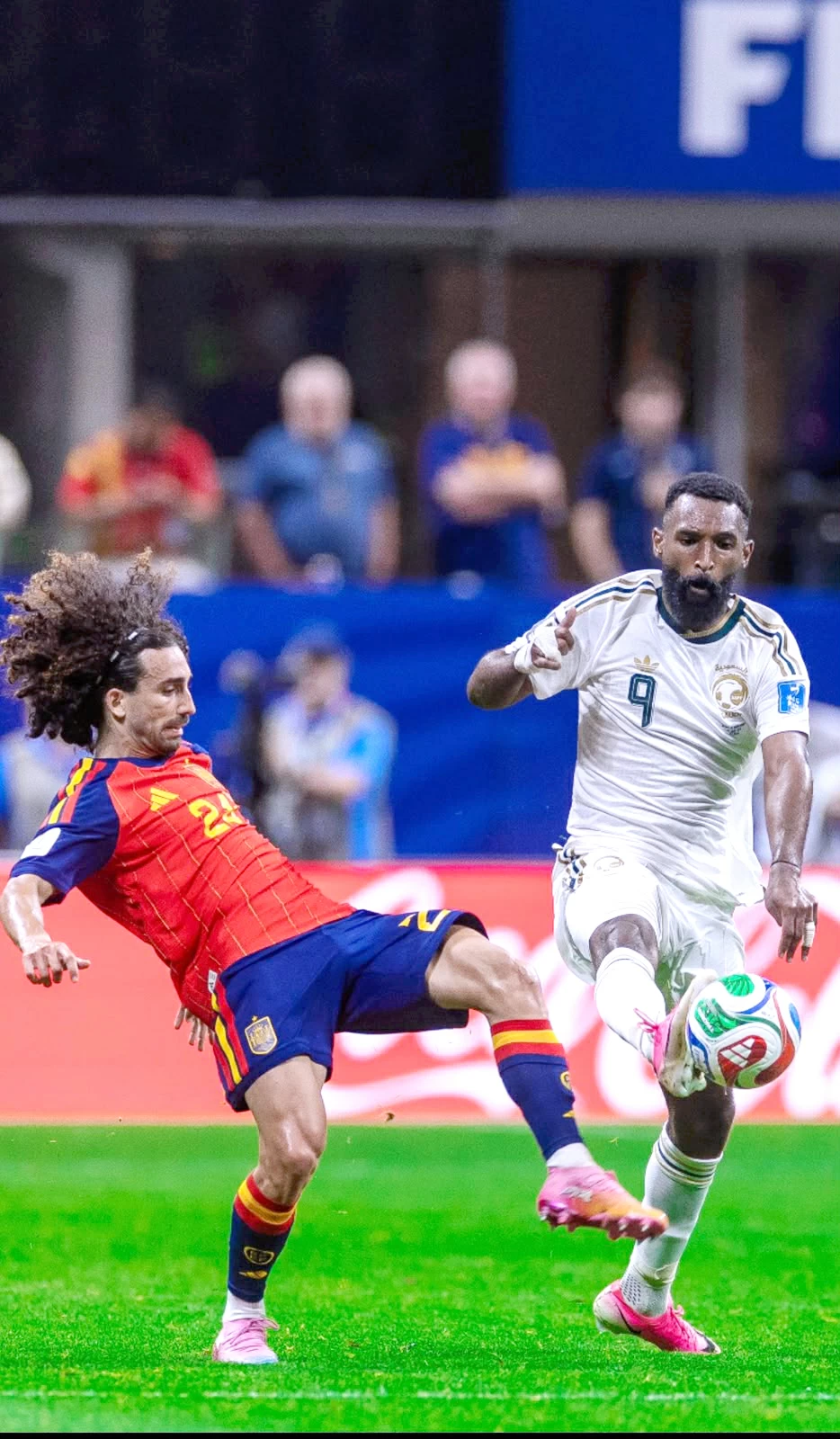

أكد المستشار الاجتماعي المهتم بالشأن الرياضي طلال محمد الناشري، أن ظهور المنتخب السعودي في بطولة كأس العالم 2026 لم يكن بالمستوى الذي كانت تتطلع إليه الجماهير الرياضية، ولا يتناسب مع حجم الدعم الكبير الذي حظي به المنتخب خلال السنوات الماضية على المستويين الإداري والفني، إذ إن المملكة سخّرت إمكانات كبيرة لتطوير كرة القدم، بدءاً من البنية التحتية والمنشآت الرياضية الحديثة، مروراً ببرامج إعداد اللاعبين واستقطاب الخبرات الفنية، وصولاً إلى الدعم المالي والإداري المستمر، الأمر الذي جعل سقف التوقعات مرتفعاً بشأن قدرة المنتخب على تقديم مستويات أكثر تنافسية في المحافل العالمية.
وأضاف أن تقييم المشاركة يجب أن يتم بواقعية وموضوعية بعيداً عن ردود الفعل العاطفية، فالنتائج لا تبنى على الدعم وحده، بل على حسن استثمار هذا الدعم داخل الملعب وترجمته إلى أداء وانضباط وتكامل بين جميع عناصر المنظومة الرياضية. وأشار إلى أن اللاعبين يتحمّلون جزءاً مهماً من المسؤولية، باعتبار أنهم العنصر الأساسي في تنفيذ الخطط وتحقيق النتائج، فتمثيل الوطن في بطولة بحجم كأس العالم يتطلب أعلى درجات الالتزام والتركيز والجاهزية الذهنية والبدنية.
وأوضح الناشري أن المدرب يتحمّل بدوره مسؤولية كبيرة في إعداد الفريق واختيار العناصر المناسبة ووضع التكتيك الملائم لكل مباراة، مشيراً إلى أن نجاح أي منتخب يعتمد على قدرة الجهاز الفني على قراءة المنافسين واستغلال إمكانات اللاعبين بالشكل الأمثل، فكرة القدم الحديثة لا تعتمد على المهارات الفردية فقط، بل أصبحت قائمة على العمل الجماعي والتنظيم والانضباط التكتيكي، وهي عناصر لا غنى عنها لتحقيق نتائج إيجابية أمام المنتخبات الكبرى.
وقال إن الخط الهجومي للمنتخب كان أحد أبرز نقاط الضعف في جميع المباريات، إذ ظهر بصورة باهتة ومفككة، وغابت عنه الروح الجماعية والقدرة على صناعة الفرص، حتى بدا في كثير من الفترات وكأنه خارج أجواء المباراة تماماً، وظهر الهجوم تائهاً ومفتقداً الهوية، وبدت تحركاتهم عشوائية والربط بين الخطوط شبه غائب، وكأن اللاعبين يلعبون في عوالم مختلفة لا تجمعهم منظومة هجومية واضحة، وهو ما انعكس بشكل مباشر على ضعف الحضور التهديفي للمنتخب طوال البطولة.
وشدّد على أن المرحلة المقبلة تتطلب وقفة جادة من الاتحاد السعودي لكرة القدم لدراسة أسباب تراجع المستوى الفني للمنتخب، والعمل على وضع حلول عملية ومستدامة تمنع تكرار مثل هذه المشاركات التي لا تعكس مكانة الكرة السعودية ولا حجم الاستثمارات التي ضُخت في تطويرها، مؤكداً أن الجماهير السعودية تنتظر منتخباً قادراً على المنافسة المشرّفة، وليس مجرد المشاركة، خصوصاً في ظل الطموحات الكبيرة التي تشهدها الرياضة السعودية في مختلف الألعاب.
وتابع أن بناء منتخب قوي لا يتم قبل البطولات بفترة قصيرة، وإنما يحتاج إلى مشروع طويل المدى يقوم على التخطيط العلمي واكتشاف المواهب وصقلها منذ المراحل السنية المبكرة، مع توفير برامج إعداد مستمرة تضمن وجود قاعدة واسعة من اللاعبين القادرين على تمثيل المنتخب في المستقبل، داعياً إلى تعزيز الانسجام بين عناصر المنتخب من خلال إقامة معسكرات كافية وخوض مباريات قوية أمام مدارس كروية متنوعة لاكتساب الخبرة ورفع مستوى الجاهزية.
وأشار إلى أن الوصول إلى منتخب منسجم ويلعب بمنظومة قوية يتطلب وجود هوية فنية واضحة وثابتة، بحيث تكون جميع الفئات السنية في المنتخب تسير وفق فلسفة لعب واحدة تسهّل انتقال اللاعبين بين المراحل المختلفة، فالاستقرار الفني والإداري يعد من أهم عوامل النجاح، إذ يمنح اللاعبين الثقة ويساعد على بناء فريق قادر على التطور التدريجي وتحقيق الأهداف المنشودة.
واختتم الناشري تصريحه بتأكيد أن الكرة السعودية تمتلك المقوّمات البشرية والإمكانات اللازمة للعودة بقوة إلى الساحة العالمية، لكن ذلك يتطلب عملاً متواصلاً ورؤية واضحة تستثمر الدعم المتوافر بالشكل الصحيح، حتى يظهر المنتخب السعودي في البطولات المقبلة بالصورة التي تليق بتاريخه وطموحات جماهيره ومكانة الرياضة السعودية على المستوى الدولي.
The social advisor interested in sports affairs, Talal Mohammed Al-Nashari, confirmed that the Saudi national team’s performance in the 2026 World Cup was not at the level that sports fans were hoping for, nor did it match the significant support the team has received over the past years on both administrative and technical levels. The Kingdom has harnessed substantial resources to develop football, starting from infrastructure and modern sports facilities, through player preparation programs and attracting technical expertise, to ongoing financial and administrative support, which has raised expectations regarding the team’s ability to deliver more competitive performances on the global stage.
He added that the evaluation of participation should be conducted realistically and objectively, away from emotional reactions, as results are not built solely on support, but on effectively utilizing that support on the field and translating it into performance, discipline, and integration among all elements of the sports system. He pointed out that players bear an important part of the responsibility, as they are the primary element in executing plans and achieving results. Representing the nation in a tournament as significant as the World Cup requires the highest levels of commitment, focus, and mental and physical readiness.
Al-Nashari explained that the coach also bears a significant responsibility in preparing the team, selecting the appropriate players, and devising the right tactics for each match, noting that the success of any team depends on the technical staff’s ability to read opponents and optimally utilize the players’ capabilities. Modern football does not rely solely on individual skills; it has become based on teamwork, organization, and tactical discipline, which are essential elements for achieving positive results against major teams.
He stated that the team’s attacking line was one of the most prominent weaknesses in all matches, appearing dull and disjointed, lacking collective spirit and the ability to create opportunities. At times, it seemed as if they were completely out of the game, with the attack appearing lost and lacking identity. Their movements seemed random, and the connection between lines was almost absent, as if the players were playing in different worlds without a clear attacking system, which directly reflected on the team’s weak goal-scoring presence throughout the tournament.
He emphasized that the upcoming phase requires serious consideration from the Saudi Football Federation to study the reasons for the decline in the team’s technical level and to work on practical and sustainable solutions to prevent the recurrence of such participations that do not reflect the status of Saudi football or the volume of investments made in its development. He affirmed that Saudi fans are waiting for a team capable of honorable competition, not just participation, especially in light of the great ambitions seen in Saudi sports across various disciplines.
He continued that building a strong team cannot be done shortly before tournaments; rather, it requires a long-term project based on scientific planning, discovering talents, and honing them from early age stages, along with providing continuous preparation programs that ensure a wide base of players capable of representing the national team in the future. He called for enhancing harmony among team elements through sufficient training camps and playing strong matches against diverse football schools to gain experience and raise the level of readiness.
He pointed out that achieving a cohesive team that plays within a strong system requires a clear and stable technical identity, so that all age categories in the team follow a unified playing philosophy that facilitates the transition of players between different stages. Technical and administrative stability is one of the most important success factors, as it gives players confidence and helps build a team capable of gradual development and achieving the desired goals.
Al-Nashari concluded his statement by affirming that Saudi football possesses the human resources and necessary capabilities to return strongly to the global arena, but this requires continuous work and a clear vision that effectively utilizes the available support, so that the Saudi national team appears in upcoming tournaments in a manner befitting its history, the ambitions of its fans, and the status of Saudi sports on the international level.
تعليقات