شهدت بطولة كأس العالم 2026 أكبر حضور عربي في تاريخ البطولة، بعدما شاركت ثمانية منتخبات عربية، أربعة من آسيا وأربعة من إفريقيا في نسخة استثنائية أقيمت بمشاركة 48 منتخبًا.
لكن مع إسدال الستار على دور المجموعات، ظهرت صورة واضحة؛ إذ نجحت ثلاثة منتخبات عربية إفريقية في بلوغ دور الـ32، بينما ودعت جميع المنتخبات العربية الآسيوية المنافسات مبكرًا، لتفرض الكرة الإفريقية العربية نفسها باعتبارها القوة العربية الأولى في النسخة الحالية من المونديال.

إفريقيا تفرض كلمتها
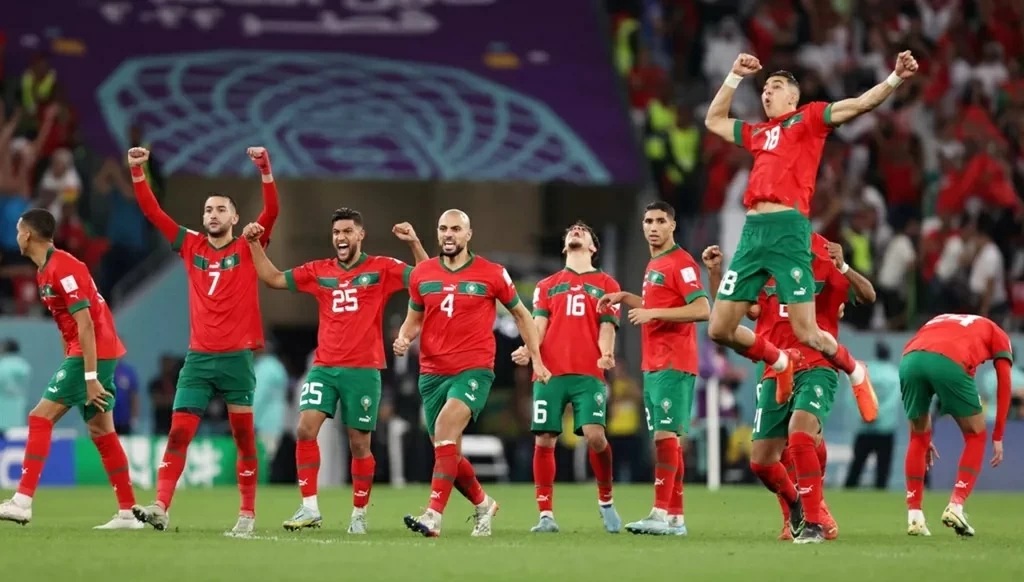
كان المنتخب المغربي الأكثر استقرارًا بين جميع المنتخبات العربية، وواصل البناء على المشروع الذي بدأه منذ مونديال قطر 2022، مقدمًا كرة قدم متوازنة دفاعيًا وهجوميًا، ليحجز مقعده في الأدوار الإقصائية بثقة.
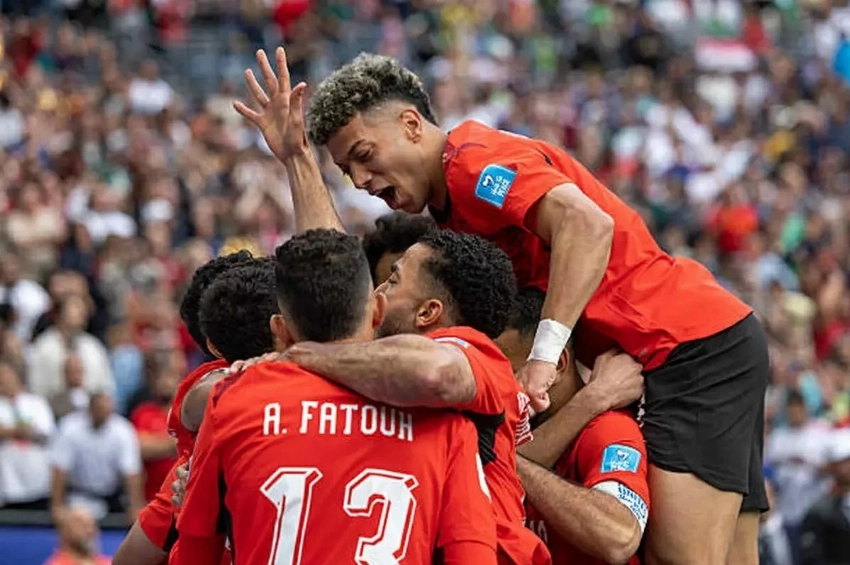
أما المنتخب المصري، فاستعاد حضوره العالمي بعودة طال انتظارها إلى الأدوار الإقصائية، مع اعتماد أكبر على العمل الجماعي، وعدم الاكتفاء بقدرات نجمه محمد صلاح، وهو ما انعكس على نتائجه وأدائه.
في المقابل، نجح المنتخب الجزائري في تجاوز بداية متذبذبة، قبل أن يعود بقوة ويحسم بطاقة التأهل، مؤكدًا شخصية الفريق وقدرته على التعامل مع الضغوط.
وحدها تونس لم تتمكن من مواصلة المشوار، لتغادر البطولة رغم الأداء الجيد في بعض الفترات.
حصيلة إفريقيا العربية كانت واضحة:
– 4 منتخبات مشاركة.
– 3 منتخبات متأهلة.
– نسبة نجاح بلغت 75%.
آسيا.. مشاركة كبيرة ونتيجة مخيبة
على الجانب الآخر، دخلت السعودية والعراق والأردن وقطر البطولة بطموحات كبيرة، لكن الواقع كان مختلفًا. فجميع المنتخبات الأربعة غادرت من دور المجموعات، رغم اختلاف ظروف كل منتخب؛ السعودية قدمت فترات جيدة لكنها افتقدت الفاعلية أمام المرمى. والعراق دفع ثمن الأخطاء الدفاعية وعدم استثمار الفرص. والأردن، الذي وصل إلى المونديال بعد إنجاز تاريخي في كأس آسيا، اصطدم بفوارق الخبرة والنسق العالي. أما قطر، فلم تتمكن من استعادة الصورة التي ظهرت بها في كأس آسيا، وخرجت مبكرًا.
الحصيلة الآسيوية كانت قاسية:
– 4 منتخبات.
– صفر متأهل.
– نسبة نجاح 0%.
– لغة الأرقام تكشف الفارق
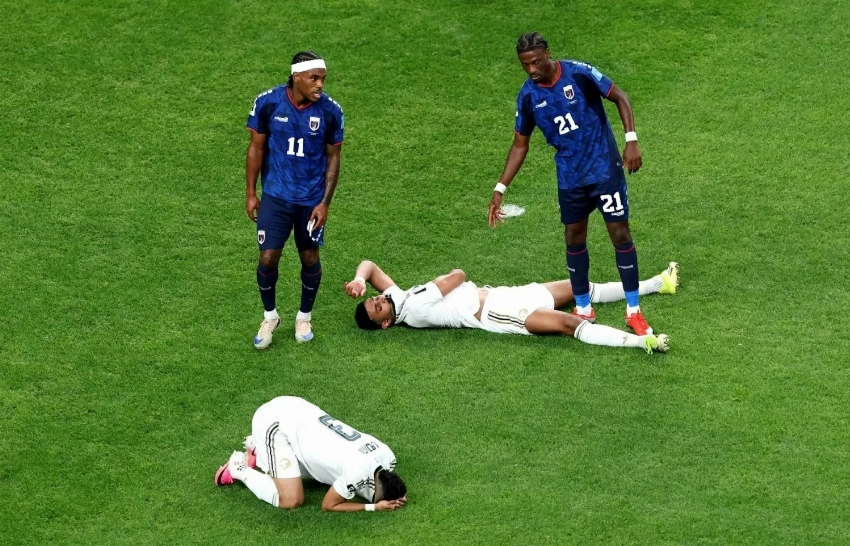
عند قراءة البطولة بالأرقام، تظهر عدة مؤشرات:
– المنتخبات الإفريقية العربية حصدت نقاطًا أكثر.
– سجلت أهدافًا أكثر.
– استقبلت أهدافًا أقل.
– امتلكت معدل تحويل فرص أفضل.
– حافظت على تنظيم دفاعي أعلى.
– ظهر لاعبوها بمستوى بدني وتكتيكي أكثر استقرارًا.
– أما منتخبات آسيا العربية، فقد امتلك بعضها نسب استحواذ جيدة، لكن دون ترجمة حقيقية إلى فرص أو أهداف، وهو ما جعل الاستحواذ مجرد رقم لا يغير النتائج.
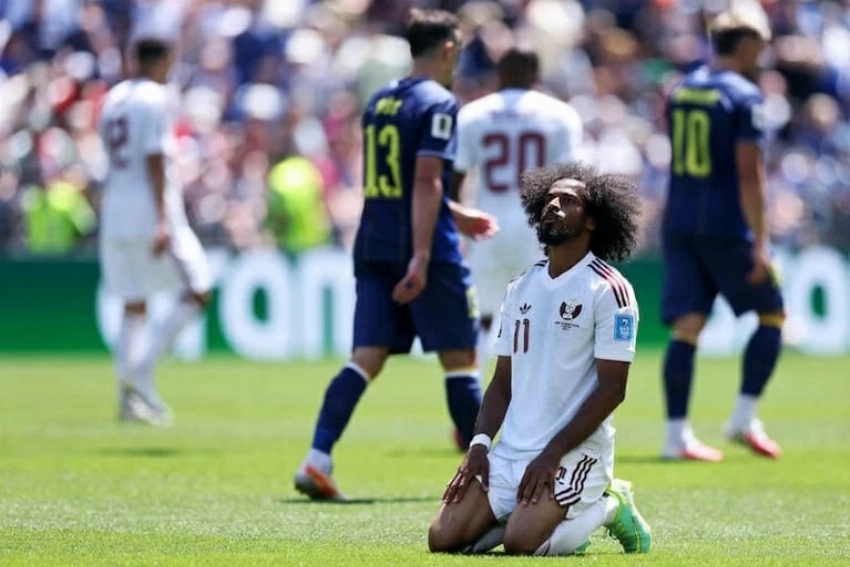
لماذا تفوقت إفريقيا؟
لم يكن التفوق الإفريقي صدفة، بل نتيجة تراكم سنوات من العمل.
أبرز الأسباب:
أولًا: كثرة اللاعبين المحترفين في أقوى الدوريات الأوروبية.
ثانيًا: استقرار الأجهزة الفنية وعدم تغييرها باستمرار.
ثالثًا: امتلاك خبرة كبيرة في البطولات الكبرى.
رابعًا: جودة الحلول الهجومية والقدرة على استغلال الفرص.
خامسًا: وجود شخصية تنافسية واضحة أمام المنتخبات الكبيرة.
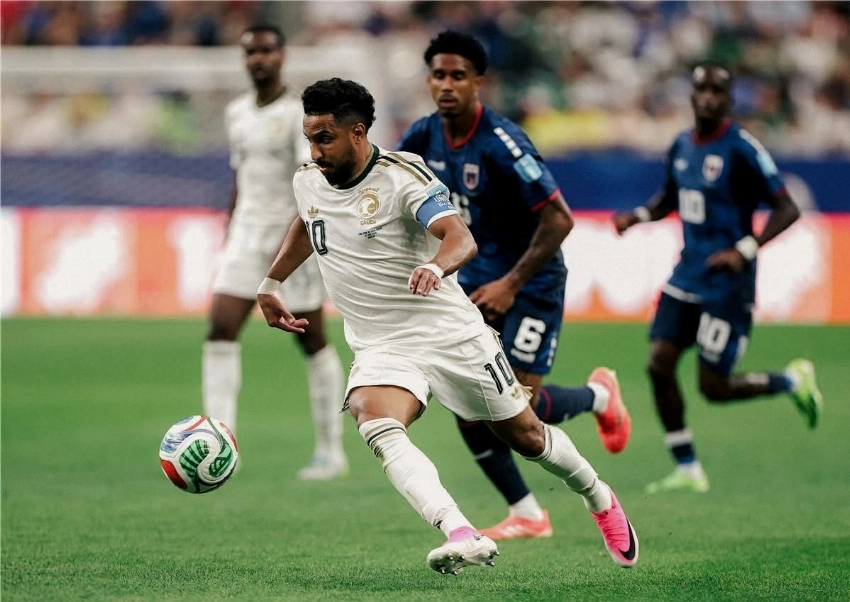
ماذا ينقص آسيا العربية؟
رغم التطور الملحوظ في البنية التحتية والاستثمار الرياضي، فإن النتائج تؤكد وجود عدة تحديات، أبرزها:
– الحاجة إلى رفع جودة المنافسة المحلية.
– زيادة عدد اللاعبين المحترفين في أوروبا.
– تطوير العمل التكتيكي.
– تحسين الفاعلية الهجومية.
– الحفاظ على الاستقرار الفني لفترات أطول.
مباريات العرب في دور الـ32
الأنظار تتجه الآن إلى ممثلي العرب الثلاثة في الأدوار الإقصائية، حيث يسعى كل من المغرب ومصر والجزائر إلى مواصلة المشوار، وكتابة فصل جديد في تاريخ الكرة العربية.
وتبقى الآمال الأكبر معلقة على المغرب، الذي يمتلك الخبرة والثقة بعد إنجاز مونديال قطر، فيما تبدو مصر والجزائر قادرتين على المنافسة إذا حافظتا على الانضباط الدفاعي واستثمرتا الفرص أمام المرمى.
من كان الأفضل عربيًا؟
يمكن ترتيب المنتخبات العربية في البطولة حتى الآن وفق المستوى العام على النحو التالي:
1.المغرب
2.مصر
3.الجزائر
4.تونس
5.السعودية
6.العراق
7.الأردن
8.قطر
ماذا تقول البطولة عن مستقبل الكرة العربية؟
لا يمكن الحكم على الكرة العربية من خلال بطولة واحدة، لكن مونديال 2026 قدم رسالة واضحة؛ فمجرد الوصول إلى كأس العالم لم يعد إنجازًا كافيًا، بل أصبح المطلوب هو المنافسة في الأدوار الإقصائية.
التجربة المغربية تؤكد أن المشروع طويل الأمد يصنع الفارق، بينما تشير تجربتا مصر والجزائر إلى أهمية المزج بين الاحتراف الخارجي والاستقرار الفني. وفي المقابل، تحتاج المنتخبات الآسيوية العربية إلى تحويل الاستثمارات الكبيرة في البنية التحتية والدوريات إلى نتائج ملموسة على المستوى الدولي.
الطريق نحو المنافسة العالمية لا يمر فقط عبر زيادة عدد المشاركين في كأس العالم، بل عبر بناء أجيال قادرة على الاستمرار، وتطوير منظومات فنية تضمن أن يصبح بلوغ الأدوار المتقدمة هدفًا متكررًا، لا استثناءً.
The 2026 World Cup witnessed the largest Arab attendance in the tournament’s history, with eight Arab teams participating, four from Asia and four from Africa, in an exceptional edition featuring 48 teams.
However, as the group stage came to a close, a clear picture emerged; three African Arab teams successfully reached the Round of 32, while all Asian Arab teams exited the competition early, establishing African Arab football as the leading Arab force in the current edition of the World Cup.
**media«2729882»**
Africa asserts its presence
The Moroccan national team was the most stable among all Arab teams, continuing to build on the project it started since the Qatar 2022 World Cup, presenting a balanced style of play both defensively and offensively, confidently securing its place in the knockout stages.
The Egyptian team regained its global presence with a long-awaited return to the knockout stages, relying more on teamwork and not just on the abilities of its star Mohamed Salah, which reflected positively on its results and performance.
In contrast, the Algerian team managed to overcome a shaky start before bouncing back strongly to secure qualification, confirming the team’s character and ability to handle pressure.
Only Tunisia could not continue its journey, exiting the tournament despite a good performance at times.
The results for Arab Africa were clear:
– 4 teams participated.
– 3 teams qualified.
– Success rate of 75%.
**media«2729885»**
Asia… Significant participation but disappointing results
On the other hand, Saudi Arabia, Iraq, Jordan, and Qatar entered the tournament with high ambitions, but the reality was different. All four teams exited in the group stage, despite varying circumstances for each team; Saudi Arabia had some good periods but lacked effectiveness in front of goal. Iraq paid the price for defensive errors and failure to capitalize on opportunities. Jordan, which reached the World Cup after a historic achievement in the Asian Cup, faced gaps in experience and high pace. As for Qatar, it could not regain the form it showed in the Asian Cup and exited early.
The Asian results were harsh:
– 4 teams.
– 0 qualified.
– Success rate of 0%.
– The numbers reveal the difference
**media«2729881»**
When analyzing the tournament through numbers, several indicators emerge:
– The African Arab teams earned more points.
– They scored more goals.
– They conceded fewer goals.
– They had a better conversion rate of chances.
– They maintained a higher defensive organization.
– Their players displayed a more stable physical and tactical level.
– Meanwhile, some Asian Arab teams had good possession rates, but without a real translation into chances or goals, making possession merely a statistic that did not change the results.
**media«2729880»**
Why did Africa excel?
The African superiority was not a coincidence, but rather the result of years of accumulated work.
The main reasons:
First: The abundance of players playing in the top European leagues.
Second: Stability in coaching staff without constant changes.
Third: Having significant experience in major tournaments.
Fourth: Quality in offensive solutions and the ability to exploit opportunities.
Fifth: A clear competitive character against major teams.
**media«2729884»**
What does Arab Asia lack?
Despite the noticeable development in infrastructure and sports investment, the results confirm the existence of several challenges, the most prominent of which are:
– The need to raise the quality of local competition.
– Increasing the number of professional players in Europe.
– Developing tactical work.
– Improving offensive effectiveness.
– Maintaining technical stability for longer periods.
Arab teams in the Round of 32
All eyes are now on the three Arab representatives in the knockout stages, as Morocco, Egypt, and Algeria aim to continue their journey and write a new chapter in the history of Arab football.
The greatest hopes remain pinned on Morocco, which possesses experience and confidence after its achievement in the Qatar World Cup, while Egypt and Algeria appear capable of competing if they maintain defensive discipline and capitalize on opportunities in front of goal.
Who has performed best among the Arabs?
The Arab teams in the tournament can be ranked so far based on overall performance as follows:
1. Morocco
2. Egypt
3. Algeria
4. Tunisia
5. Saudi Arabia
6. Iraq
7. Jordan
8. Qatar
What does the tournament say about the future of Arab football?
It is not possible to judge Arab football based on a single tournament, but the 2026 World Cup sent a clear message; merely reaching the World Cup is no longer a sufficient achievement, but rather the goal is to compete in the knockout stages.
The Moroccan experience confirms that a long-term project makes a difference, while the experiences of Egypt and Algeria highlight the importance of blending external professionalism with technical stability. Meanwhile, Arab Asian teams need to translate significant investments in infrastructure and leagues into tangible results on the international level.
The path to global competition does not only pass through increasing the number of participants in the World Cup but also through building generations capable of sustaining success and developing technical systems that ensure reaching advanced stages becomes a recurring goal, not an exception.