فارس مراد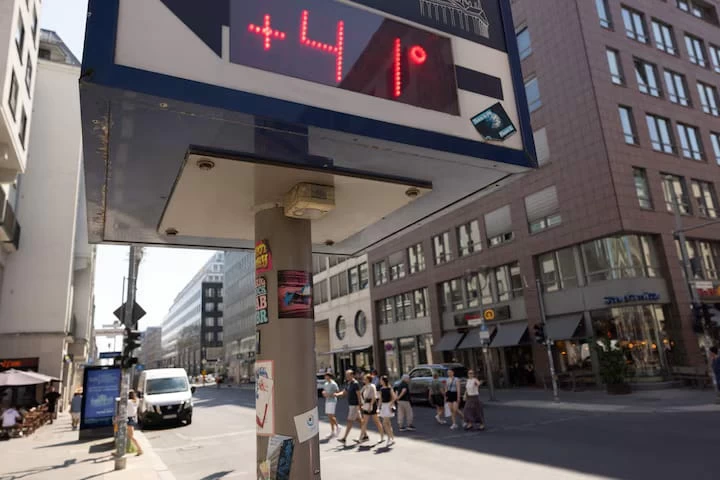
أعلنت ألمانيا تسجيل نحو 5120 حالة وفاة مرتبطة بموجات الحر منذ بداية العام الحالي، معظمها خلال موجة الحر التي شهدتها البلاد في أواخر يونيو، عندما تجاوز متوسط درجات الحرارة الأسبوعية 20 درجة مئوية، وفقاً لما أورده معهد روبرت كوخ للصحة العامة (RKI) في تقريره الأسبوعي الصادر الخميس.
وأوضح المعهد أن نحو 4270 من الوفيات سُجلت بين الأشخاص الذين تبلغ أعمارهم 75 عاماً فأكثر، فيما كانت وفيات النساء أعلى من الرجال، وهو ما أرجعه التقرير إلى أن النساء يشكلن نسبة أكبر من الفئات العمرية الأكثر تقدماً.
وتأتي هذه الأرقام في وقت تتسع فيه تداعيات موجات الحر على مستوى أوروبا، إذ أعلن برنامج كوبرنيكوس الأوروبي لتغير المناخ أن يونيو الماضي كان الأكثر حرارة على الإطلاق في أوروبا الغربية، بمتوسط بلغ 20.74 درجة مئوية.
كما أفادت السلطات في فرنسا وبلجيكا وإسبانيا وهولندا بتسجيل أكثر من 4700 وفاة زائدة خلال موجة الحر التي اجتاحت تلك الدول بين 20 و28 يونيو.
وأشار معهد روبرت كوخ إلى أن أعلى معدلات الوفيات المرتبطة بالحر في ألمانيا خلال العقد الماضي سُجلت في عامي 2018 و2019، عندما بلغ عدد الضحايا نحو 8400 و6900 وفاة على التوالي.
وخلال عطلة نهاية الأسبوع التي بلغت فيها موجة الحر ذروتها يومي 27 و28 يونيو، سجلت مدينة كولونيا وحدها 120 حالة وفاة، أي ما يعادل أربعة أضعاف المعدل المعتاد، بحسب ما أعلنته زعيمة حزب الخضر الألماني كاتارينا دروجه خلال جلسة للبرلمان.
وانتقدت دروجه المستشار الألماني فريدريش ميرتس، معتبرة أنه لم يعلّق على تداعيات موجة الحر رغم ارتفاع أعداد الوفيات والجهود التي تبذلها فرق الطوارئ، كما اتهمت حكومته بإضعاف قوانين حماية المناخ.
ويواصل حزب الخضر انتقاد مشروع موازنة عام 2027، متهمًا الحكومة بتقليص مخصصات حماية المناخ وتحويل مليارات اليورو لسد عجز الموازنة، في حين لم تحدد الحكومة حتى الآن حجم التخفيضات المزمع تطبيقها على صندوق المناخ والتحول.
وكانت ألمانيا قد أعلنت في مارس الماضي خطة لدعم تحقيق أهدافها المناخية بحلول عام 2030، خصصت لها ثمانية مليارات يورو لتمويل مشروعات تشمل التوسع في طاقة الرياح وتعزيز مبيعات السيارات الكهربائية، إلى جانب تقليل الاعتماد على واردات الوقود الأحفوري.
وتستهدف أكبر اقتصاد في أوروبا خفض انبعاثات الغازات المسببة للاحتباس الحراري بنسبة 65% على الأقل مقارنة بمستويات عام 1990 بحلول عام 2030، والوصول إلى الحياد المناخي بحلول عام 2045. إلا أن الانخفاض المحقق حتى الآن لا يتجاوز 48%، فيما يؤكد خبراء أن السياسات الحالية لن تكون كافية لتحقيق الأهداف المعلنة.
Germany announced the registration of approximately 5,120 heat-related deaths since the beginning of this year, most of which occurred during the heatwave that the country experienced in late June, when the average weekly temperatures exceeded 20 degrees Celsius, according to a report by the Robert Koch Institute for Public Health (RKI) released on Thursday.
The institute explained that about 4,270 of the deaths were recorded among individuals aged 75 and older, while female deaths were higher than male deaths, which the report attributed to the fact that women make up a larger proportion of the older age groups.
These figures come at a time when the impacts of heatwaves are expanding across Europe, as the European Copernicus Climate Change Program announced that last June was the hottest ever recorded in Western Europe, with an average of 20.74 degrees Celsius.
Authorities in France, Belgium, Spain, and the Netherlands also reported more than 4,700 excess deaths during the heatwave that swept through those countries between June 20 and 28.
The Robert Koch Institute noted that the highest rates of heat-related deaths in Germany over the past decade were recorded in 2018 and 2019, when the number of victims was approximately 8,400 and 6,900 deaths, respectively.
During the weekend when the heatwave peaked on June 27 and 28, the city of Cologne alone recorded 120 deaths, which is four times the usual rate, according to what German Green Party leader Katharina Droege announced during a parliamentary session.
Droege criticized German Chancellor Friedrich Merz, stating that he did not comment on the implications of the heatwave despite the rising death toll and the efforts made by emergency teams, and she accused his government of weakening climate protection laws.
The Green Party continues to criticize the draft budget for 2027, accusing the government of cutting climate protection allocations and diverting billions of euros to cover the budget deficit, while the government has not yet specified the extent of the cuts planned for the climate and transformation fund.
Germany announced in March a plan to support achieving its climate goals by 2030, allocating eight billion euros to finance projects that include expanding wind energy and boosting electric vehicle sales, in addition to reducing reliance on fossil fuel imports.
The largest economy in Europe aims to reduce greenhouse gas emissions by at least 65% compared to 1990 levels by 2030 and to achieve climate neutrality by 2045. However, the reduction achieved so far does not exceed 48%, while experts assert that current policies will not be sufficient to meet the announced goals.