فارس مراد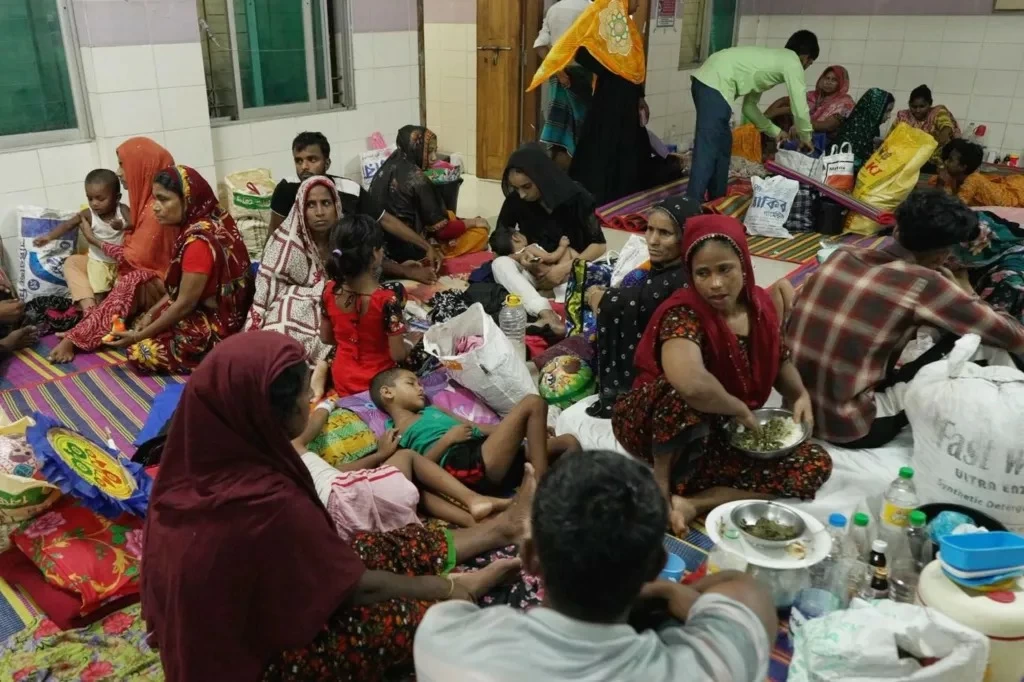
تواجه بنغلاديش واحدة من أسوأ موجات تفشي الحصبة في تاريخها الحديث، بعدما أدى الارتفاع الحاد في الإصابات منذ مارس الماضي إلى وفاة نحو 750 شخصاً، معظمهم من الأطفال، وفق بيانات حكومية، في وقت يحذر فيه خبراء الصحة من أن العدد الحقيقي للضحايا قد يكون أكبر بكثير.
ويأتي هذا التطور بعد أشهر فقط من إعلان منظمة الصحة العالمية أن بنغلاديش أحرزت «تقدماً كبيراً» نحو القضاء على الحصبة، مستفيدة من معدلات تطعيم تجاوزت 90% خلال السنوات الماضية.
إلا أن هذا التقدم تراجع بصورة مفاجئة، مع تسجيل أكثر من 120 ألف حالة إصابة مؤكدة ومشتبه بها منذ منتصف مارس، بينما لا تزال البلاد تسجل في المتوسط نحو ألف إصابة مشتبه بها يومياً، إلى جانب وفيات يومية، بحسب السلطات الصحية.
وفي مستشفى كلية الطب بمدينة ميمنسينغ، شمال العاصمة دكا، تجاوز عدد المرضى ضعف الطاقة الاستيعابية، حيث يتلقى نحو 130 مريضاً العلاج داخل جناح لا يضم سوى 32 سريراً، ما اضطر عشرات الأسر إلى افتراش الممرات والأرضيات في انتظار الرعاية الطبية.
وقال طبيب الأطفال الدكتور محمد غلام مولا، الذي يعمل في المستشفى: «لم أشهد من قبل تفشياً بهذا الحجم، كان المرض تحت السيطرة في بلادنا، واللقاحات فعالة للغاية، لكن ما حدث يثير الكثير من التساؤلات».
ويعزو خبراء ومنظمة الأمم المتحدة للطفولة (يونيسف) الأزمة إلى مجموعة من العوامل، أبرزها تأخر طلبات شراء اللقاحات، وتعطل برامج التحصين الروتينية خلال جائحة كورونا، وعدم تنفيذ حملات التطعيم الجماعية ضد الحصبة والحصبة الألمانية منذ عام 2020، إضافة إلى الازدحام السكاني والتنقلات الواسعة خلال عطلة عيد الفطر.
وأكد المتحدث باسم “يونيسف” في بنغلاديش ميغيل ماتيوس مونيوث، أن ما تشهده البلاد يمثل «عاصفة كاملة» نتجت عن تداخل عدة عوامل، موضحاً أن المنظمة كانت قد حذرت من احتمال حدوث فجوات في إمدادات اللقاحات مع إعادة هيكلة آليات الشراء خلال المرحلة الانتقالية التي أعقبت الاضطرابات السياسية في البلاد.
في المقابل، نفى مسؤولون سابقون في الحكومة الانتقالية وجود نقص في اللقاحات، مؤكدين أن المراسلات مع “يونيسف” لم تتضمن تحذيراً مباشراً من احتمال وقوع تفشٍ واسع للحصبة.
واستجابة لتفاقم الأزمة، أطلقت الحكومة بالتعاون مع “يونيسف” حملة تطعيم طارئة في أبريل الماضي شملت عدداً من المناطق، وتم خلالها تطعيم أكثر من 18.4 مليون طفل، فيما تشير السلطات إلى أن وتيرة الإصابات والوفيات بدأت بالتراجع، رغم استمرار تسجيل أعداد مرتفعة من الحالات الجديدة.
من جانبه، أقر وزير الصحة سردار سخاوات حسين، بالضغط الكبير الذي يتعرض له النظام الصحي، لكنه أكد أن الحكومة تمكنت من إدارة الأزمة رغم محدودية الإمكانات مقارنة بعدد سكان البلاد الذي يتجاوز 170 مليون نسمة.
غير أن خبراء الصحة العامة يحذرون من أن الوضع لا يزال خطيراً، معتبرين أن الأرقام الحالية قد لا تعكس الحجم الحقيقي للأزمة، خاصة في ظل صعوبة رصد جميع الإصابات والوفيات.
ويؤكد المختصون أن ما يحدث في بنغلاديش يمثل تذكيراً بأهمية الحفاظ على معدلات التطعيم المرتفعة، إذ تبقى الحصبة من الأمراض التي يمكن الوقاية منها بفعالية عبر اللقاحات، في وقت يشهد فيه العالم تزايداً في بؤر التفشي مع تراجع نسب التحصين في عدد من الدول.
Bangladesh is facing one of the worst measles outbreaks in its recent history, as a sharp rise in cases since last March has led to the deaths of around 750 people, most of whom are children, according to government data, while health experts warn that the actual number of victims may be much higher.
This development comes just months after the World Health Organization announced that Bangladesh had made “significant progress” towards eliminating measles, benefiting from vaccination rates exceeding 90% in recent years.
However, this progress has suddenly reversed, with more than 120,000 confirmed and suspected cases recorded since mid-March, while the country continues to report an average of about a thousand suspected cases daily, along with daily fatalities, according to health authorities.
At the medical college hospital in Mymensingh, north of the capital Dhaka, the number of patients has exceeded double the capacity, with around 130 patients receiving treatment in a ward that has only 32 beds, forcing dozens of families to sleep in the corridors and on the floors while waiting for medical care.
Pediatrician Dr. Mohammad Ghulam Mollah, who works at the hospital, said: “I have never witnessed an outbreak of this magnitude; the disease was under control in our country, and the vaccines are highly effective, but what has happened raises many questions.”
Experts and the United Nations Children’s Fund (UNICEF) attribute the crisis to a combination of factors, most notably delays in vaccine procurement requests, disruptions to routine immunization programs during the COVID-19 pandemic, and the failure to implement mass vaccination campaigns against measles and rubella since 2020, in addition to population density and extensive movement during the Eid al-Fitr holiday.
UNICEF spokesperson in Bangladesh, Miguel Matheus Munoz, confirmed that what the country is experiencing represents a “perfect storm” resulting from the interplay of several factors, explaining that the organization had warned of potential gaps in vaccine supplies due to the restructuring of procurement mechanisms during the transitional phase following political upheavals in the country.
In contrast, former officials in the transitional government denied the existence of a vaccine shortage, asserting that communications with UNICEF did not include a direct warning of the possibility of a widespread measles outbreak.
In response to the worsening crisis, the government, in collaboration with UNICEF, launched an emergency vaccination campaign last April that covered several areas, during which more than 18.4 million children were vaccinated, while authorities indicate that the rate of infections and deaths has begun to decline, despite the continued reporting of high numbers of new cases.
For his part, Health Minister Sardar Sekhawat Hossain acknowledged the significant pressure on the healthcare system, but emphasized that the government has managed the crisis despite limited resources compared to the country’s population of over 170 million.
However, public health experts warn that the situation remains serious, considering that the current figures may not reflect the true scale of the crisis, especially given the difficulty in tracking all infections and deaths.
Experts assert that what is happening in Bangladesh serves as a reminder of the importance of maintaining high vaccination rates, as measles remains one of the diseases that can be effectively prevented through vaccines, at a time when the world is witnessing an increase in outbreak hotspots alongside declining vaccination rates in several countries.