رغم التسهيلات الواسعة والمبادرات الرقمية النوعية لتمكين كبار السن وذوي الإعاقة في السعودية، وضمان حقوقهم وتيسير حياتهم اليومية عبر خدمات عدة، مثل شهادة التسهيلات المرورية وبطاقة «امتياز» الرقمية من وزارة الموارد البشرية والتنمية الاجتماعية التي تهدف إلى تعزيز استقلاليتهم وتسهيل وصولهم للخدمات، إلا أن بعض شركات تشغيل المواقف المدفوعة لا تزال تعمل خارج إطار هذه المبادرات.
اقرأ أيضا: كيف يمكن للشراكة المصرية الكندية دعم توطين صناعة السيارات؟
ففي الوقت الذي تنص فيه الأنظمة على أحقية كبار السن وذوي الإعاقة في استخدام المواقف المخصصة لهم دون مقابل تستمر بعض الشركات في إلزامهم بدفع رسوم استخدام تلك المواقف في مخالفة صريحة للضوابط المعتمدة، ما يخلق تحديات غير مبررة لهذه الفئات ويحد من استفادتهم من الخدمات الميسّرة التي وفرتها لهم الجهات المعنية.
تمكين وحماية وتسهيل
يحظى كبار السن وذوو الإعاقة في السعودية باهتمام ورعاية عبر منظومة تشريعية وخدمية متكاملة تضمن لهم الحماية والتمكين، وتعمل جهات عدة على إزالة العوائق التي قد تحد من مشاركتهم الفاعلة في المجتمع. كما توفر الدولة بيئة مهيأة تضمن وصولهم للخدمات بسهولة، وتمكنهم من ممارسة حياتهم اليومية باستقلالية وكرامة، من خلال بطاقات التسهيلات، والخدمات الرقمية المخصّصة، والدعم الاجتماعي والصحي، وتطوير البنية التحتية لتكون أكثر شمولًا ومواءمة لحاجاتهم. وتعكس الجهود حرص الدولة على تعزيز جودة الحياة لهذه الفئات وضمان حصولهم على حقوقهم كاملة، إلا أن استمرار بعض الشركات في فرض رسوم على استخدام المواقف المخصصة لهم يشكّل تجاوزًا للأنظمة، ويتطلب تعزيز الرقابة لضمان الالتزام بالتعليمات التي تكفل لهم خدمات ميسّرة دون أي أعباء إضافية.
دون قيد أو شرط
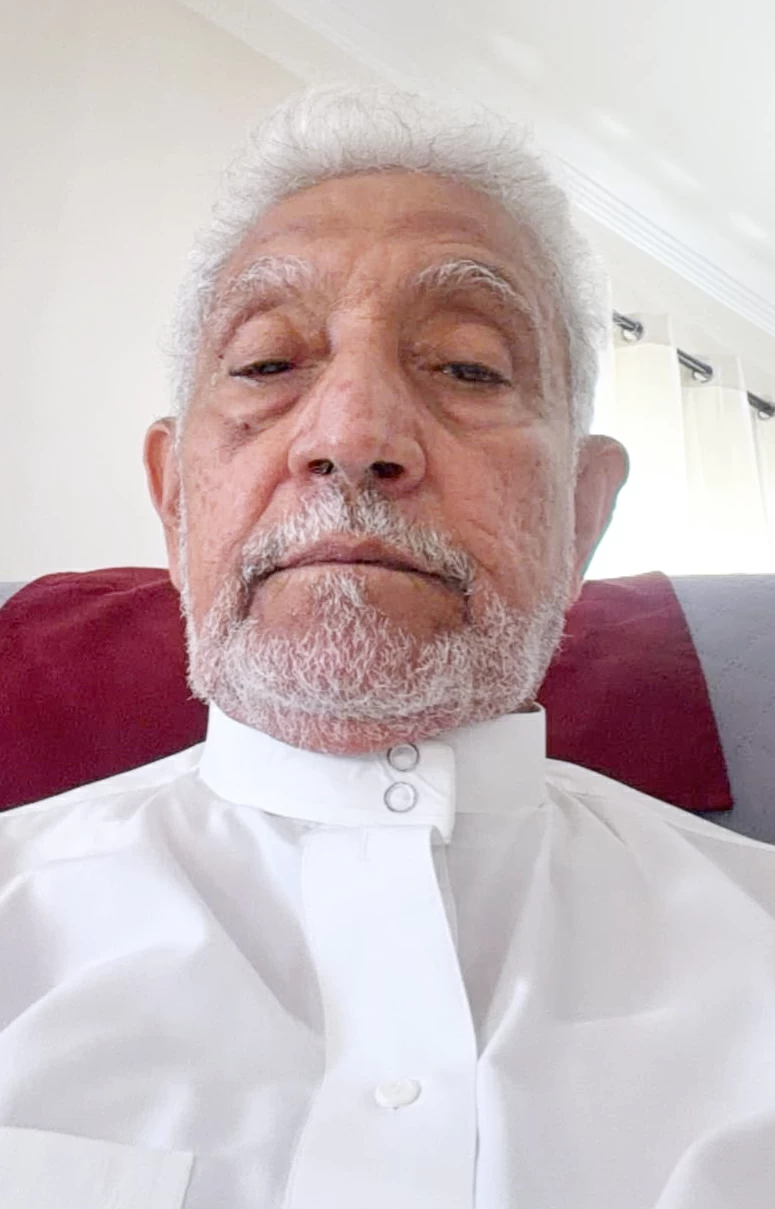
سامي محمد بخش البالغ 80 عاماً، نقل معاناة هذه الفئة لـ «عكاظ» وقال: إن الجهات الخدمية منحتهم هويات وملصقات رسمية للتعرف عليهم وتسهيل تحركاتهم، إلا أن بعض شركات المواقف ترفض الاعتراف بهذه التصاريح وتطالبهم برسوم استخدام، ما يتنافى مع روح الدعم الموجه لهم، «اتصلت بشركة موقف، وسألتهم: هل مواقف ذوي الحاجات الخاصة مجانية أم بمقابل؟ وأفادني المسؤول أن جميع مواقف الشركة خاضعة للرسوم بما في ذلك مواقف ذوي الاحتياجات الخاصة. ويرى «بخش» أن الإشكالية ليست فردية، بل ظاهرة تتكرر في مختلف المدن والمناطق، مناشداً الجهات ذات الاختصاص بالتدخل العاجل لتوحيد الأنظمة وإلزام الشركات بجعل كافة المواقف المخصصة لذوي الإعاقة مجانية بالكامل دون قيد أو شرط.
نحن كبار السن.. أين حقوقنا؟
محمد العبدالله 65 عاماً يروي تجربته وهو يتوكأ على عكاز لكبر سنه وتعرضه لحادثة أدت إلى عدم قدرته على السير، فيقول: أعاني كثيرًا في حال رغبت أن أقف بسيارتي في المواقف، ففي كثير من الأحيان لا أجد موقفًا حتى في المواقع المخصصة لذوي الاحتياجات الخاصة. ويضيف ناصر محمود: نحن كبار السن لدينا حقوق وللأسف تقف هذه الحقوق عند شركات مواقف السيارات إما الدفع أو تحرير مخالفة، وبالتالي نسأل أين حقوقنا نحن كبار السن؟، إذ نحمل بطاقة امتياز التي تصرفها وزارة الموارد تكريمًا لنا. ويتساءل محمد سالم: أين حقوق المتقاعدين خصوصاً كبار السن؟ نتمنى أن يتم النظر في هذا الأمر.
لا رفاهية.. لا امتياز
الأخصائي النفسي العيادي والجنائي، الدكتور عبدالله الوايلي، يستعرض الأبعاد النفسية والاجتماعية التي تواجه فئتي ذوي الإعاقة وكبار السن نتيجة التحديات اليومية في المرافق العامة، مؤكدًا أن غياب التسهيلات أو استغلال حقوقهم يبعث برسائل تهميش تؤثر في صحتهم النفسية. وأوضح أن مواقف السيارات المخصصة لهذه الفئات ليست نوعًا من الرفاهية أو الامتياز، بل استجابة حتمية لمتطلبات صحية ونفسية معقدة ترتبط ارتباطًا وثيقًا بشعورهم بالكرامة والاستقلالية وثقتهم بأنفسهم. وأشار إلى أن البحث المضني عن موقف، أو العثور على المواقف المخصصة مشغولة من آخرين، يولد مشاعر سلبية قاسية كالإحباط، والعجز، وفقدان الأمان النفسي، ما قد يدفع بكبار السن تحديدًا نحو الانطواء والعزلة الاجتماعية التامة، فضلاً عن المخاطر الجسدية المباشرة الناتجة عن اضطرارهم للسير مسافات طويلة وهم يعانون أمراضًا مزمنة. وشدد الوايلي على أهمية توفير هذه المواقف بشكل كافٍ ومجاني، معتبرًا أن فرض الرسوم المالية يشكل عبئًا إضافيًا على كاهل من يحتاجون لمراجعات طبية مستمرة، مؤكدًا أن مجانية الخدمات هي رسالة تقدير مجتمعية تعزز جودة الحياة وتدعم الاعتماد على النفس. واختتم تصريحه بالقول: «إن حضارة المجتمعات تقاس بمستوى الخدمات الإنسانية التي تقدمها لفئاتها الأكثر احتياجًا، وإن احترام حقوق ذوي الإعاقة وكبار السن يتجسّد في الممارسات اليومية البسيطة والالتزام بخصوصيتهم والمسؤولية مشتركة بين الجهات المنظمة وكافة أفراد المجتمع.
جدار غير مرئي وعازل
المستشار النفسي والتربوي الدكتور فراس الحربي، يرى أن غياب المواقف المجانية والمخصصة لفئتي كبار السن وذوي الإعاقة، أو إجبارهم على دفع رسوم مادية مقابلها، يُمثل جدارًا غير مرئي يعزلهم عن محيطهم ويضرب عمق العدالة الاجتماعية وجودة الحياة. وأوضح أن توفير مواقف مهيأة ومجانية ليس رفاهية أو منحة، بل هو حق مكتسب يضمن كرامة الإنسان واستقلاليته الذاتية، محذرًا من أن اشتراط الدفع المالي أو تكبد عناء البحث عن مواقف بعيدة يدفع بهذه الفئات إلى الانكفاء الاجتماعي والانسحاب من المجتمع، ما يرفع معدلات الاكتئاب والشعور بالوحدة. وأشار الحربي، إلى أن الهدف الأسمى للتأهيل الاجتماعي هو تعزيز الاعتماد على النفس، بينما يؤدي غياب التسهيلات المجانية القريبة إلى إجبارهم على الاعتماد القسري على الآخرين، وهو ما يولد لديهم شعورًا بالعجز وفقدان الثقة، داعيًا إلى ضرورة تمكينهم وإزالة كافة العوائق المادية واللوجستية لضمان دمجهم الكامل في المجتمع.
بيئة دامجة ومساندة
المستشار الإعلامي والكاتب الصحفي عبدالغني ناجي القش، يقترح إصدار قرار عاجل يقضي بإعفاء الأشخاص ذوي الإعاقة وكبار السن من رسوم مواقف السيارات بشكل كامل وفي كافة المنشآت، معتبرًا أن الخطوة تأتي مكملة لحزمة الرعاية الشاملة والدعم الكبير الذي توليه الجهات المعنية لهذه الفئة الغالية في المجتمع. وأشاد القش بالجهود الكبيرة التي تبذلها الدولة في تمكين ذوي الإعاقة، من خلال تقديم الإعانات المالية، وتوفير التأهيل الطبي والنفسي، والأجهزة التعويضية، والإعفاء من رسوم التأشيرات، إضافة إلى جهود إدارة المرور في فرض غرامات صارمة ضد من يعتدي على مواقفهم المخصصة. وأكد القش، أن الإعلان الواضح الذي ينص على إعفاء ذوي الإعاقة من دفع أي رسوم للمواقف يعد مطلبًا إنسانيًا ومجتمعيًا ملحًا، يساهم بشكل مباشر في تسهيل شؤونهم المادية، وتيسير حركتهم الحياتية، بما يضمن لهم سبل العيش الكريم في ظل بيئة دامجة ومساندة.
محامٍ ينصح: قاضوهم
في الجانب القانوني يرى المحامي ماجد الأحمري، أن المنظومة القانونية في السعودية واضحة وصريحة في هذا الشأن فنظام حقوق الأشخاص ذوي الإعاقة نص في مادته الثالثة على ضمان حقهم في التنقل بسهولة وأمان عند تصميم وتنفيذ مواقف المركبات وجاءت اشتراطات مواقف السيارات المدفوعة الصادرة من وزارة الشؤون البلدية في مارس 2024م، لتحسم المسألة، إذ اشترطت على أصحاب المواقف المدفوعة أن تكون المواقف المخصصة لذوي الإعاقة مجانية طوال فترة وقوفها في مواقف السيارات للمنشآت التجارية والحكومية. وبناءً عليه، فإن أي شركة لمواقف السيارات تُلزم الشخص ذا الإعاقة الحامل للشهادة الرقمية للتسهيلات المرورية أو ملصق ذوي الإعاقة بدفع رسوم أو تفرض عليه غرامة، هي مخالفة لاشتراطات الوزارة. ومن حق المتضرر في هذه الحالة تقديم بلاغ للبلدية أو الأمانة المختصة، والمطالبة بإلغاء الغرامة واسترداد أي مبالغ دُفعت بغير وجه حق. كما يحق له رفع دعوى مدنية للمطالبة بالتعويض عن الضرر إن وُجد.
هل كبار السن معفيون من الرسوم؟
في ما يتعلق بكبار السن يرى المحامي الأحمري، أن نظام حقوق كبير السن ورعايته الصادر في 1443هـ، عرّف كبير السن بأنه كل مواطن بلغت سنه 60 سنة فأكثر، ونصّت المادة الحادية عشرة على منح كبير السن أولوية في الحصول على الخدمات الأساسية، والمادة الثانية عشرة على منحه بطاقة امتياز تمكنه من الاستفادة من الخدمات العامة، والمادة الثالثة عشرة على منح كبير السن المحتاج خصماً على الخدمات العامة. وقد أطلقت وزارة الموارد البشرية «بطاقة امتياز» هويةً رقميةً تُمنح تلقائيًا لمن بلغ الستين، ومن مميزاتها توفير مواقف سيارات قريبة من المداخل وأولوية في الخدمات، لكن يجب التفريق هنا بين «تخصيص الموقف» و«مجانيته». فالنظام ألزم بتوفير مواقف ميسرة وقريبة لكبار السن، لكنه لم ينص صراحة على إعفائهم من رسوم المواقف التجارية المدفوعة كما هو الحال مع ذوي الإعاقة. ومع ذلك، فإن المادة العشرين من النظام رتّبت غرامة تصل إلى 100 ألف ريال على من يقدم خدمة عامة نيابة عن الجهة الحكومية ويخالف أحكام المادتين الحادية عشرة والثالثة عشرة، وهذا يعني أن عدم إعطاء كبير السن الأولوية أو حرمانه من الخصم المستحق يُعرّض الجهة المخالفة للعقوبة.
قدّروا هذه الفئات الغالية
خلاصة رأي المحامي الأحمري، أن ذوي الإعاقة لهم حق المجانية الكاملة في المواقف المخصصة بقوة النظام، وأي مطالبة مالية لهم تُعد مخالفة. أما كبار السن فحقهم المكفول هو تخصيص المواقف القريبة والأولوية والخصم على الخدمات العامة لمن هو محتاج منهم، وأوصي الجهات التنظيمية بالنظر في إصدار قرار صريح يشمل إعفاء كبار السن من رسوم المواقف أسوة بذوي الإعاقة، تقديرًا لهذه الفئة الغالية وتفعيلًا لروح النظام.
الملصق لا يعفي صاحبه من الدفع!
في المقابل أكدت إحدى شركات المواقف الخاضعة للأنظمة المدفوعة، أن جميع المواقف التابعة لها، بما في ذلك المساحات المخصصة لذوي الإعاقة وكبار السن، ليست مجانية وتخضع للرسوم المالية المعتمدة وفقًا للوائح وأنظمة الشركة. جاء ذلك في تصريح لموظف خدمة العملاء بالشركة لـ «عكاظ»، وأوضح أن تطبيق الرسوم يشمل الجميع دون استثناء، مؤكدًا أن وجود الملصق الخاص بـ (ذوي الإعاقة) على المركبة لا يعفي صاحبها من دفع الرسوم المقررة للموقف.
Despite the extensive facilities and qualitative digital initiatives aimed at empowering the elderly and people with disabilities in Saudi Arabia, ensuring their rights, and facilitating their daily lives through various services, such as the traffic facilitation certificate and the digital “Imtiyaz” card from the Ministry of Human Resources and Social Development, which aims to enhance their independence and ease their access to services, some paid parking companies still operate outside the framework of these initiatives.
While regulations stipulate the right of the elderly and people with disabilities to use designated parking spaces free of charge, some companies continue to require them to pay fees for using those spaces, in clear violation of the approved regulations, creating unjustified challenges for these groups and limiting their benefit from the facilitated services provided to them by the relevant authorities.
Empowerment, Protection, and Facilitation
The elderly and people with disabilities in Saudi Arabia receive attention and care through a comprehensive legislative and service system that ensures their protection and empowerment. Various entities work to remove barriers that may limit their effective participation in society. The state also provides a prepared environment that ensures their easy access to services, enabling them to live their daily lives with independence and dignity through facilitation cards, specialized digital services, social and health support, and the development of infrastructure to be more inclusive and suitable for their needs. These efforts reflect the state’s commitment to enhancing the quality of life for these groups and ensuring they receive their full rights. However, the continued imposition of fees by some companies for the use of designated parking spaces constitutes a violation of the regulations and necessitates enhanced oversight to ensure compliance with the instructions that guarantee them facilitated services without any additional burdens.
Without Conditions or Restrictions
Sami Mohammed Baksh, 80 years old, conveyed the suffering of this group to “Okaz,” stating that service entities have provided them with official IDs and stickers to identify them and facilitate their movements. However, some parking companies refuse to recognize these permits and demand usage fees, which contradicts the spirit of support directed towards them. “I called a parking company and asked them: Are the parking spaces for people with special needs free or for a fee? The official informed me that all the company’s parking spaces are subject to fees, including those for people with disabilities.” Baksh believes that the issue is not individual but a phenomenon that recurs in various cities and regions, urging the relevant authorities to intervene urgently to unify the regulations and obligate companies to make all parking spaces designated for people with disabilities completely free of charge without conditions.
We Are the Elderly… Where Are Our Rights?
اقرأ أيضا: ميكروفون فاضح لوزيرين بريطانيين يفجِّر أزمة حكومية ذات تداعيات واسعة – أخبار السعودية
Mohammed Al-Abdullah, 65, recounts his experience while leaning on a cane due to his age and a previous accident that rendered him unable to walk. He says: “I struggle a lot when I want to park my car; often, I can’t find a spot even in the designated areas for people with disabilities.” Nasser Mahmoud adds: “We, the elderly, have rights, and unfortunately, these rights stop at parking companies, either to pay or face a fine. So we ask, where are our rights as the elderly? We carry the Imtiyaz card issued by the Ministry of Resources in honor of us.” Mohammed Salem questions: “Where are the rights of retirees, especially the elderly? We hope this matter will be addressed.”
No Luxury… No Privilege
Clinical and forensic psychologist Dr. Abdullah Al-Waili discusses the psychological and social dimensions faced by the elderly and people with disabilities due to daily challenges in public facilities, emphasizing that the absence of facilities or the exploitation of their rights sends messages of marginalization that affect their mental health. He clarified that the parking spaces designated for these groups are not a form of luxury or privilege but a necessary response to complex health and psychological requirements closely linked to their sense of dignity, independence, and self-confidence. He pointed out that the exhausting search for a parking spot or finding designated spaces occupied by others generates harsh negative feelings such as frustration, helplessness, and a loss of psychological security, which may push the elderly specifically toward withdrawal and complete social isolation, in addition to the direct physical risks resulting from their need to walk long distances while suffering from chronic illnesses. Al-Waili stressed the importance of providing these parking spaces adequately and free of charge, considering that imposing financial fees constitutes an additional burden on those who require continuous medical visits, affirming that free services represent a community appreciation message that enhances quality of life and supports self-reliance. He concluded his statement by saying: “The civilization of societies is measured by the level of humanitarian services they provide to their most needy groups, and respecting the rights of people with disabilities and the elderly is embodied in simple daily practices and commitment to their privacy, which is a shared responsibility between regulatory bodies and all members of society.”
An Invisible and Isolating Wall
Psychological and educational consultant Dr. Firas Al-Harbi believes that the absence of free and designated parking for the elderly and people with disabilities, or forcing them to pay fees for it, represents an invisible wall that isolates them from their surroundings and undermines the depth of social justice and quality of life. He explained that providing prepared and free parking is not a luxury or a grant but an acquired right that ensures human dignity and self-independence, warning that the requirement to pay fees or the burden of searching for distant parking pushes these groups toward social withdrawal and disengagement from society, raising rates of depression and feelings of loneliness. Al-Harbi pointed out that the ultimate goal of social rehabilitation is to enhance self-reliance, while the absence of nearby free facilities forces them to rely on others, generating feelings of helplessness and loss of confidence. He called for the necessity of empowering them and removing all material and logistical barriers to ensure their full integration into society.
An Inclusive and Supportive Environment
Media consultant and journalist Abdulghani Naji Al-Qash suggests issuing an urgent decision exempting people with disabilities and the elderly from parking fees entirely in all facilities, considering that this step complements the comprehensive care package and significant support provided by the relevant authorities to this valuable group in society. Al-Qash praised the significant efforts made by the state to empower people with disabilities by providing financial assistance, medical and psychological rehabilitation, assistive devices, and exemption from visa fees, in addition to the traffic department’s efforts to impose strict penalties against those who violate their designated parking. He confirmed that a clear announcement stating the exemption of people with disabilities from paying any parking fees is an urgent humanitarian and community demand that directly contributes to facilitating their financial affairs and easing their daily movements, ensuring them a dignified living in an inclusive and supportive environment.
A Lawyer Advises: Sue Them
From a legal perspective, lawyer Majid Al-Ahmari believes that the legal system in Saudi Arabia is clear and explicit in this regard. The Rights of Persons with Disabilities Law states in its third article that it guarantees their right to move easily and safely when designing and implementing vehicle parking. The conditions for paid parking issued by the Ministry of Municipal Affairs in March 2024 resolved the matter, as it stipulated that owners of paid parking must make parking spaces designated for people with disabilities free for the entire duration of their parking in commercial and governmental facilities. Accordingly, any parking company that obliges a person with a disability holding the digital traffic facilitation certificate or the disability sticker to pay fees or imposes a fine on them is in violation of the ministry’s conditions. The affected person in this case has the right to file a complaint with the relevant municipality or authority and demand the cancellation of the fine and the refund of any amounts paid unjustly. They also have the right to file a civil lawsuit to claim compensation for any damages if applicable.
Are the Elderly Exempt from Fees?
Regarding the elderly, lawyer Al-Ahmari notes that the Rights of the Elderly and Their Care Law issued in 1443 AH defines an elderly person as any citizen aged 60 years or older. Article eleven stipulates granting the elderly priority in obtaining basic services, while article twelve grants them an Imtiyaz card that enables them to benefit from public services, and article thirteen grants the needy elderly a discount on public services. The Ministry of Human Resources has launched the “Imtiyaz” card, a digital identity automatically granted to those who reach sixty, with features including providing parking spaces close to entrances and priority in services. However, it is essential to differentiate here between “designating the parking space” and “its being free.” The law mandates the provision of accessible and nearby parking for the elderly but does not explicitly state their exemption from fees for commercial paid parking, as is the case with people with disabilities. Nevertheless, article twenty of the law imposes a fine of up to 100,000 riyals on anyone providing a public service on behalf of a government entity who violates the provisions of articles eleven and thirteen, which means that failing to give the elderly priority or depriving them of the entitled discount exposes the violating entity to penalties.
Appreciate These Valuable Groups
In summary, lawyer Al-Ahmari believes that people with disabilities have the right to complete exemption from fees in designated parking by the force of law, and any financial demand made of them is considered a violation. As for the elderly, their guaranteed right is the designation of nearby parking, priority, and discounts on public services for those in need among them. He recommends that regulatory authorities consider issuing a clear decision that includes exempting the elderly from parking fees, similar to people with disabilities, in appreciation of this valuable group and to activate the spirit of the law.
The Sticker Does Not Exempt Its Holder from Payment!
In contrast, one of the parking companies subject to paid regulations confirmed that all its parking spaces, including those designated for people with disabilities and the elderly, are not free and are subject to the approved financial fees according to the company’s regulations and rules. This was stated by a customer service employee of the company to “Okaz,” who clarified that the application of fees includes everyone without exception, emphasizing that the presence of the (disability) sticker on the vehicle does not exempt its owner from paying the prescribed fees for the parking.
اقرأ أيضا: لاختصار الطريق.. ضبط سائق ملاكي سار عكس الاتجاه وعرض حياة المواطنين للخطر بالشرقية