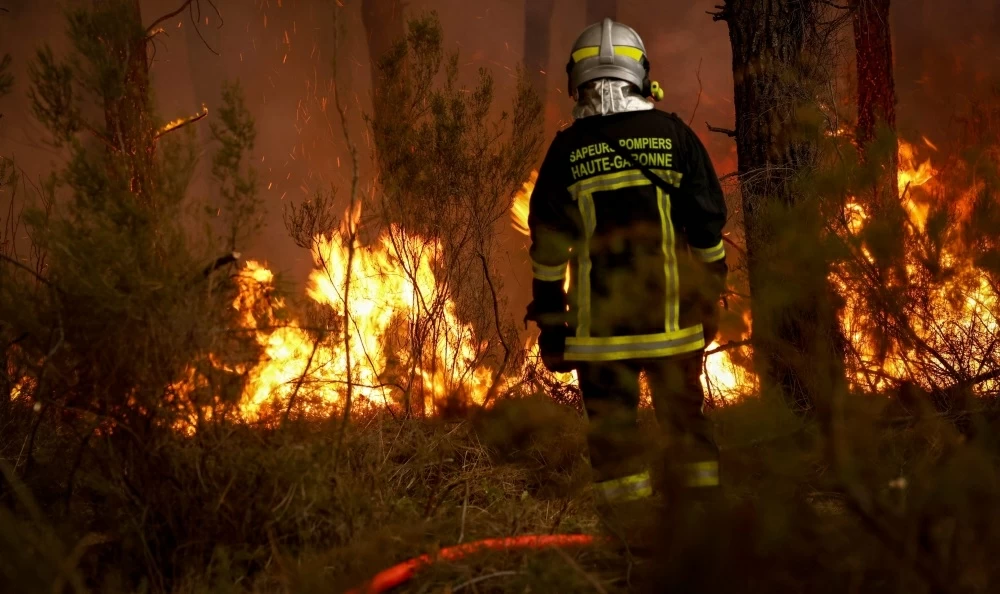
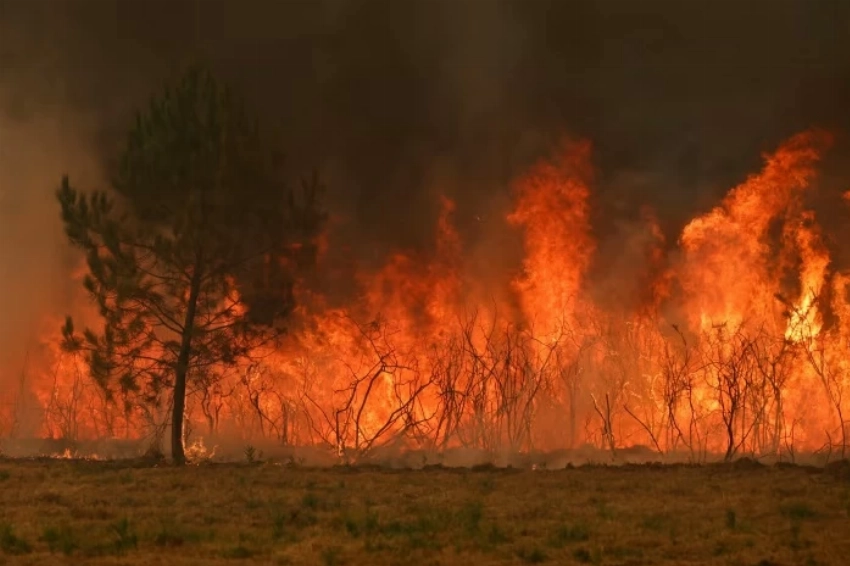
تشهد كلٌّ من إسبانيا وفرنسا موجة حرائق غير مسبوقة، وصفتها الحكومات الأوروبية بأنها الأخطر منذ عقود، وسط خسائر بشرية واقتصادية واسعة، وإجلاء مئات الآلاف من السكان والسياح، وتعطّل قطاعات النقل والطاقة والزراعة.
وتأتي هذه الحرائق في ظل موجة حرّ قياسية تضرب القارة الأوروبية، وتفاقم الجفاف والرياح الشديدة انتشار النيران على نطاق واسع.
اقرأ أيضا: الهلال الأحمر يطلق حملة «صيف آمن» لتعزيز السلامة والوقاية خلال الصيف
إسبانيا: حالة طوارئ وطنية وخسائر متصاعدة
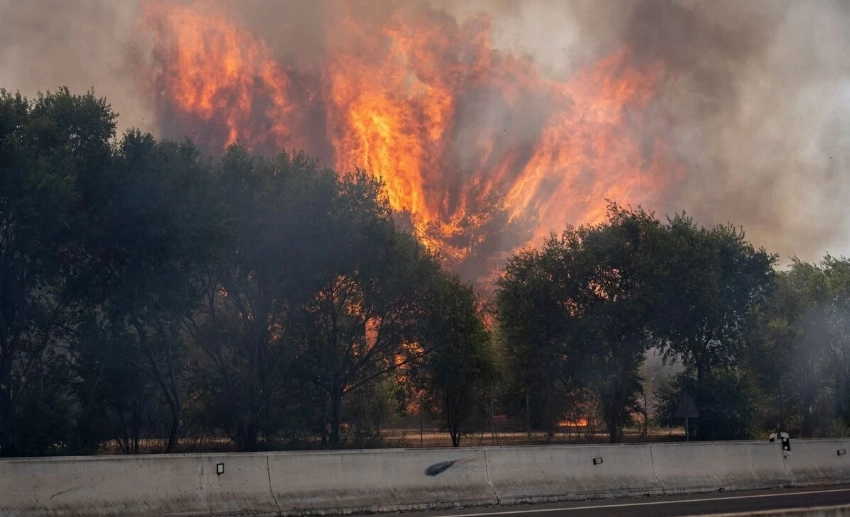
أعلنت الحكومة الإسبانية حالة الطوارئ الوطنية لأول مرة بسبب الحرائق، بعد خروج النيران عن السيطرة في محيط العاصمة مدريد ومقاطعة أفيلا. وقد ارتفع عدد المُجلَين إلى 70 ألف شخص وفق وزارة الداخلية، فيما أجبرت الحرائق السلطات على إخلاء 10 قرى وإصدار أوامر لسكان قرى أخرى بالبقاء داخل منازلهم بسبب الدخان الكثيف الذي غطّى غرب العاصمة ووصل إلى وسط مدريد.
وأتت الحرائق منذ مطلع العام على أكثر من 168 ألف هكتار من الأراضي الإسبانية، مقارنة بـ 393 ألف هكتار خلال عام 2025، وهو ما يعكس تصاعدًا خطيرًا في حجم الكارثة.
اقتصاديًا، تشير التقديرات الأولية إلى أن إسبانيا تتكبّد خسائر تتراوح بين مليار وثلاثة مليارات يورو نتيجة الحرائق وموجة الحر المصاحبة لها، مع تأثيرات مباشرة على قطاعات الزراعة والطاقة والسياحة، وتراجع الإنتاج الزراعي وارتفاع استهلاك الكهرباء والمياه.
فرنسا: أسوأ يوليو منذ بدء تسجيل البيانات
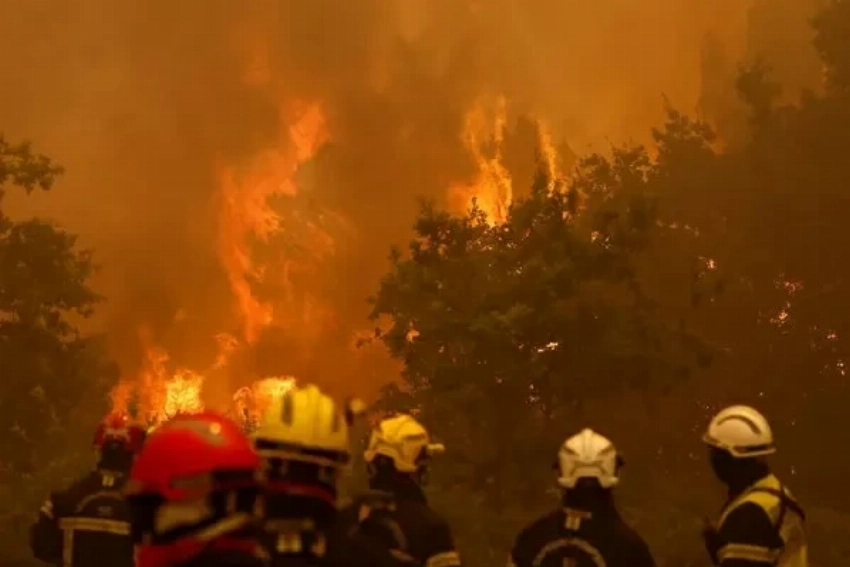
في فرنسا، أعلن وزير الداخلية لوران نونيز أن الحرائق أتت على نحو 98 ألف هكتار منذ بداية العام، واصفًا الرقم بأنه “غير مسبوق”، ومؤكدًا أن يوليو الحالي هو الأسوأ منذ بدء تسجيل البيانات عام 2006. وقد تم إجلاء نحو 200 ألف شخص في البلاد؛ بينهم 167 ألفًا في منطقة جيروند وحدها، إضافة إلى إخلاء شبه جزيرة (كاب فيريه) السياحية بالكامل ونقل 63 ألف شخص عبر القوارب.
كما أدت الحرائق إلى إغلاق 60 كيلومترًا من الطريق السريع A63 الرابط بين بوردو وشمال إسبانيا، وتعليق خدمات القطارات جنوب المدينة، ما تسبب في شلل جزئي لحركة النقل في المنطقة.
اقتصاديًا، تجاوزت الخسائر المباشرة وغير المباشرة في فرنسا مليار يورو، نتيجة الحرائق وتعطل الأنشطة الاقتصادية وتراجع الإنتاجية وارتفاع الإنفاق على الطوارئ الصحية. كما سجلت السلطات نحو ألف وفاة زائدة مرتبطة بموجة الحر.
تأثيرات اقتصادية أوسع على أوروبا
تشير التقديرات إلى أن الخسائر الإجمالية في فرنسا وإسبانيا وحدهما قد تتراوح بين ثلاثة وستة مليارات يورو، مع توقعات بارتفاع الرقم خلال الأسابيع المقبلة مع صدور تقييمات شركات التأمين والحكومات المحلية. كما تتأثر قطاعات الطاقة والنقل والزراعة في القارة بأكملها، وسط تحذيرات من أن موجات الحر والحرائق باتت تمثل تهديدًا مباشرًا للنمو الاقتصادي الأوروبي.
جهود الإطفاء: استنفار عسكري ودعم أوروبي
دفعت فرنسا بطائرات شحن عملاقة لإلقاء مواد مثبطة للنيران، فيما استدعت إسبانيا الجيش ووحدات الطوارئ العسكرية. كما أرسل الاتحاد الأوروبي أربع طائرات إلى إسبانيا وثلاث إلى فرنسا لدعم عمليات الإطفاء.
ورغم تحسن طفيف في الأحوال الجوية ليلاً، حذرت الحكومات من ساعات صعبة بسبب الرياح المتقلبة، واحتمال اندماج حرائق متعددة في مناطق ذات كثافة سكانية عالية، مما يهدد بمزيد من الخسائر.
Both Spain and France are experiencing an unprecedented wave of wildfires, described by European governments as the most dangerous in decades, amid extensive human and economic losses, the evacuation of hundreds of thousands of residents and tourists, and disruptions to transportation, energy, and agriculture sectors.
These fires come in the wake of a record heatwave hitting the European continent, exacerbated by drought and strong winds that have spread the flames widely.
Spain: National Emergency and Rising Losses
The Spanish government has declared a national emergency for the first time due to the wildfires, after the flames got out of control around the capital Madrid and the province of Ávila. The number of evacuees has risen to 70,000 according to the Ministry of the Interior, while the fires forced authorities to evacuate 10 villages and issue orders for residents of other villages to stay indoors due to the thick smoke that covered the west of the capital and reached central Madrid.
Since the beginning of the year, the fires have consumed more than 168,000 hectares of Spanish land, compared to 393,000 hectares during the year 2025, reflecting a serious escalation in the scale of the disaster.
Economically, initial estimates indicate that Spain is incurring losses ranging between one billion and three billion euros due to the fires and the accompanying heatwave, with direct impacts on the agriculture, energy, and tourism sectors, a decline in agricultural production, and an increase in electricity and water consumption.
اقرأ أيضا: عاجل| وفاة نجل شقيقة شيخ الأزهر الشريف في الأقصر والعزاء بمسقط رأس عائلته
France: Worst July Since Data Recording Began
In France, Interior Minister Laurent Nunez announced that the fires have ravaged about 98,000 hectares since the beginning of the year, describing the figure as “unprecedented,” and confirming that this July is the worst since data recording began in 2006. Approximately 200,000 people have been evacuated across the country; among them, 167,000 in the Gironde region alone, in addition to the complete evacuation of the tourist peninsula (Cap Ferret) and the transport of 63,000 people by boat.
The fires have also led to the closure of 60 kilometers of the A63 motorway linking Bordeaux to northern Spain, and the suspension of train services south of the city, causing partial paralysis of transportation in the area.
Economically, direct and indirect losses in France have exceeded one billion euros, due to the fires, disruption of economic activities, decreased productivity, and increased spending on health emergencies. Authorities have also recorded about a thousand excess deaths linked to the heatwave.
Wider Economic Impacts on Europe
Estimates suggest that the total losses in France and Spain alone could range between three and six billion euros, with expectations of the figure rising in the coming weeks as assessments from insurance companies and local governments are released. The energy, transportation, and agriculture sectors across the continent are also affected, amid warnings that heatwaves and wildfires now pose a direct threat to European economic growth.
Firefighting Efforts: Military Mobilization and European Support
France has deployed giant cargo planes to drop fire retardants, while Spain has called in the military and emergency military units. The European Union has also sent four planes to Spain and three to France to support firefighting operations.
Despite a slight improvement in weather conditions at night, governments have warned of difficult hours ahead due to shifting winds and the potential for multiple fires to merge in densely populated areas, threatening further losses.
اقرأ أيضا: نائب وزير الدفاع يرعى تخريج الدفعة الـ108 من كلية الملك فيصل الجوية – أخبار السعودية