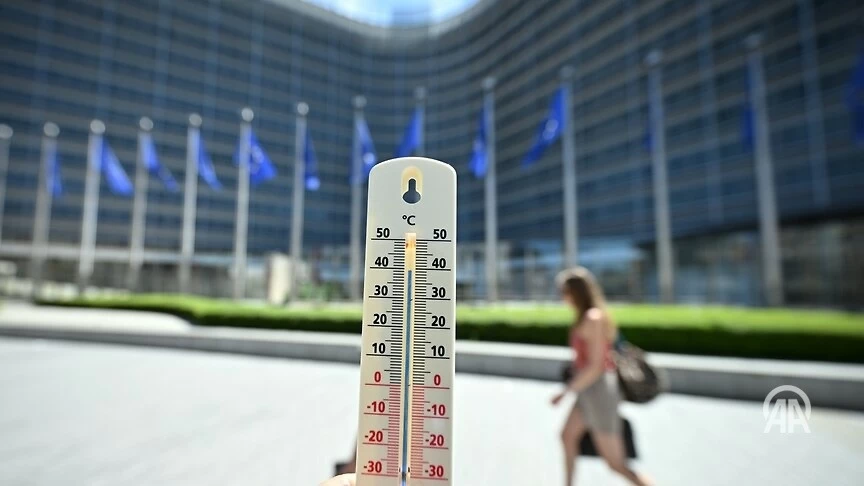
تواجه الحكومة البلجيكية موجة متصاعدة من الانتقادات، بعدما أعلنت السلطات الصحية تسجيل 1222 وفاة إضافية خلال موجة الحر القياسية التي اجتاحت البلاد في النصف الثاني من يونيو، في حصيلة وصفتها وزارة الصحة بأنها غير مسبوقة.
وأظهرت بيانات وزارة الصحة أن الوفيات سُجلت خلال الفترة بين 18 و29 يونيو، وشملت أكثر من 530 شخصًا تجاوزت أعمارهم 85 عامًا، إضافة إلى نحو 180 وفاة بين أشخاص تقل أعمارهم عن 65 عامًا، في مؤشر على التأثير الواسع لموجة الحر على مختلف الفئات العمرية.
وقاد رئيس الحزب الاشتراكي بول مانييت حملة الانتقادات، متهمًا الحكومة الفيدرالية بعدم اتخاذ إجراءات كافية لحماية السكان، وقال إن ارتفاع الوفيات بنسبة 39% خلال فترة قصيرة يعكس تقصيرًا في مواجهة تداعيات أزمة المناخ، محذرًا من احتمال تكرار موجات حر مماثلة خلال الصيف.
في المقابل، دافع وزير الصحة فرانك فاندنبروك عن أداء الحكومة، مؤكدًا أن المستشفيات ودور الرعاية كانت مستعدة للتعامل مع الأزمة، لكنه أقر بوجود أوجه قصور، أبرزها تعطل عمل رقم الطوارئ 112 خلال ذروة موجة الحر، معلنًا فتح تقييم شامل للاستجابة الحكومية وإعداد خطة لتعزيز الجاهزية قبل أي موجات حر جديدة.
وتُعد الوفيات المرتبطة بالحرارة من أكثر الآثار الصحية خطورة لتغير المناخ، إذ لا تنجم في الغالب عن ضربة الشمس وحدها، بل عن تفاقم أمراض القلب والجهاز التنفسي والكلى، خاصة لدى كبار السن وأصحاب الأمراض المزمنة.
ويستخدم خبراء الصحة العامة مصطلح «الوفيات الزائدة» لقياس عدد الوفيات التي تتجاوز المعدلات الطبيعية خلال فترة زمنية محددة، وهو المؤشر الذي اعتمدته السلطات البلجيكية في تقدير تأثير موجة الحر الأخيرة.
وشهدت أوروبا خلال السنوات الأخيرة ارتفاعًا ملحوظًا في وتيرة وشدة موجات الحر، حيث تشير دراسات علمية إلى أن القارة الأوروبية تُعد الأسرع احترارًا بين قارات العالم، وأدى ذلك إلى زيادة الضغوط على الأنظمة الصحية، وتعطل بعض وسائل النقل والبنية التحتية، وتراجع إنتاج الكهرباء في بعض الدول بسبب انخفاض منسوب الأنهار وارتفاع درجات حرارة مياه التبريد المستخدمة في محطات الطاقة.
وفي بلجيكا، وضعت السلطات منذ موجة الحر التاريخية عام 2003 خططًا وطنية للتعامل مع درجات الحرارة المرتفعة، تشمل إصدار إنذارات مبكرة، وتوجيهات لحماية كبار السن، وتعزيز جاهزية المستشفيات ودور الرعاية. إلا أن المعارضة ترى أن موجة هذا العام كشفت ثغرات في تلك الخطط، خصوصًا فيما يتعلق بسرعة الاستجابة، وحماية الفئات الأكثر هشاشة، وضمان كفاءة خدمات الطوارئ.
وتأتي الأزمة في وقت تتزايد فيه الضغوط على الحكومات الأوروبية لتطوير إستراتيجيات التكيف مع التغير المناخي، إذ يحذر خبراء المناخ من أن موجات الحر الشديدة التي كانت تُعد أحداثًا استثنائية قبل عقود قد تصبح أكثر تكرارًا وأطول مدة خلال السنوات القادمة، ما يفرض تحديات متزايدة على أنظمة الصحة العامة والبنية التحتية وسياسات إدارة الكوارث.
The Belgian government is facing a rising wave of criticism after health authorities announced the registration of 1,222 additional deaths during the record heatwave that swept the country in the second half of June, a toll described by the Ministry of Health as unprecedented.
Data from the Ministry of Health showed that the deaths were recorded between June 18 and 29, including more than 530 individuals over the age of 85, as well as around 180 deaths among people under 65, indicating the widespread impact of the heatwave on various age groups.
Socialist Party leader Paul Magnette led the criticism campaign, accusing the federal government of not taking sufficient measures to protect the population. He stated that the 39% increase in deaths over a short period reflects a failure to address the consequences of the climate crisis, warning of the possibility of similar heatwaves recurring during the summer.
In contrast, Health Minister Frank Vandenbroucke defended the government’s performance, asserting that hospitals and care homes were prepared to handle the crisis, but he acknowledged shortcomings, particularly the failure of the emergency number 112 during the peak of the heatwave, announcing a comprehensive evaluation of the government response and the preparation of a plan to enhance readiness before any new heatwaves.
Heat-related deaths are among the most serious health impacts of climate change, as they are often not caused solely by heatstroke but by the exacerbation of heart, respiratory, and kidney diseases, especially among the elderly and those with chronic illnesses.
Public health experts use the term “excess mortality” to measure the number of deaths that exceed normal rates over a specific period, which is the indicator that Belgian authorities relied on to estimate the impact of the recent heatwave.
Europe has witnessed a noticeable increase in the frequency and intensity of heatwaves in recent years, with scientific studies indicating that the European continent is warming faster than any other continent in the world. This has led to increased pressure on health systems, disruption of some transportation and infrastructure, and a decline in electricity production in some countries due to lower river levels and higher temperatures of cooling water used in power plants.
In Belgium, authorities have established national plans to deal with high temperatures since the historic heatwave of 2003, which include issuing early warnings, guidelines to protect the elderly, and enhancing the readiness of hospitals and care homes. However, the opposition believes that this year’s heatwave has exposed gaps in those plans, particularly regarding response speed, protecting the most vulnerable groups, and ensuring the efficiency of emergency services.
The crisis comes at a time when pressures are increasing on European governments to develop strategies for adapting to climate change, as climate experts warn that severe heatwaves, which were considered exceptional events decades ago, may become more frequent and longer-lasting in the coming years, posing increasing challenges to public health systems, infrastructure, and disaster management policies.