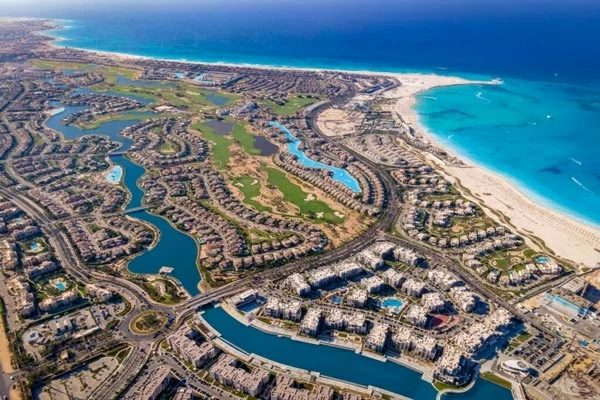
بينما يتسابق صفوة المجتمع والأثرياء نحو شواطئ الساحل الشمالي الغربي بمصر للاستمتاع بالمياه الفيروزية والحياة الصاخبة، كانت الأرض تحت أقدامهم تخبئ لعقود عالماً سفلياً مرعباً ومذهلاً يعود إلى آلاف السنين.
في مفاجأة أثرية مدوية، نجحت البعثة الأثرية المصرية في منطقة «مارينا العلمين» في اختراق سراديب الموت المدفونة تحت الرمال، لتزيح الستار عن 18 مقبرة أثرية جديدة، وتوابيت صخرية مغلقة تماماً لم تُفتح منذ العصور القديمة، بجانب اكتشافات أثرية غامضة تثبت أن هذا المنتجع الساحلي الحديث كان يوماً ما مركزاً لحضارة عالمية صهرت عقائد الفراعنة بأسرار الإغريق والرومان.
طقوس الموت المرعبة
أكثر ما حبس أنفاس البعثة الأثرية أثناء فتح المقابر، هو العثور على 24 قطعة ذهبية دقيقة وُضعت بعناية داخل أفواه بعض الموتى، وهي الطقوس الجنائزية الأسطورية المعروفة باسم «اللسان الذهبي».
في العقيدة الهلنستية والرومانية القديمة، كان القدماء يضعون هذه الألسنة الذهبية داخل فم المتوفى لتمكينه من التحدث والدفاع عن نفسه أمام محكمة الآلهة في العالم الآخر. والمثير للدهشة، أن من بين هذه القطع عُثر على تميمة ذهبية صيغت بدقة على هيئة «عين حورس»، وهي الرمز الفرعوني الأكثر قوة للحماية والوقاية من الشرور.
ولم تكن المقابر المكتشفة مجرد حفر عادية، بل كشفت عن تنوع طبقي واجتماعي مثير لسكان المدينة القدامى، وجاءت تفاصيلها المعمارية لتثير ذهول الباحثين:
- مقابر «الهيبوجيوم» السرية: تم الكشف عن 11 مقبرة منحوتة بالكامل في الصخر الحاد على عمق يصل إلى 8 أمتار تحت الأرض، وعُثر على فتحات دفنها مغلقة بألواح حجرية صلبة لم تمسها يد بشر أو لصوص المقابر منذ آلاف السنين.
- التابوت العملاق: عثرت رئيسة البعثة على تابوت ضخم مصنوع من الجرانيت الأسود بطول 2.5 متر، ولا يزال غطاؤه الأصلي مستقراً في موضعه بشكل لا يصدق (ويخضع محتواه من البقايا العظمية للدراسة حالياً)، وبجواره بقايا تمثال لـ«أبو الهول» مصنوع من الجص.
- بئر الدفن الغامض: أسفرت الحفائر عن بئر مياه قديم، تبين أن السكان أعادوا استخدامه في فترة لاحقة لأغراض الدفن، وهو دليل صارخ على استمرار التأثيرات العقائدية الفرعونية في العمارة الجنائزية.
وبدت القطع المستخرجة من قلب المقابر وكأنها لوحة فنية تدمج حضارات العالم القديم، حيث عثرت البعثة على:
- مذبح من الحجر الجيري لتقديم القرابين يحاكي تصميم «الباب الوهمي» الشهير في العقيدة الفرعونية (وهو بوابة عبور الروح بين عالم الأحياء والأموات).
- تمثال رخامي غير مكتمل يُرجح أنه يمثل آلهة الحب والجمال الإغريقية «أفروديت».
- المدامع الزجاجية: وهي أوانٍ صغيرة نادرة كان يجمع فيها أقارب المتوفى دموع الأحزان قبل دفنها معه كرمز للوفاء الأبدي.
- من شواطئ صاخبة إلى «متحف مفتوح»
هذا الكشف ليس مجرد إضافة للتاريخ، بل هو إعادة صياغة لهوية الساحل الشمالي بالكامل. وتتسابق وزارة السياحة والآثار المصرية الآن مع الزمن لإنشاء مركز عالمي للزوار في المنطقة، وتجهيز مسارات للسيارات الكهربائية والمشاة، ومسرح مفتوح، تمهيداً لافتتاح الموقع بالكامل أمام الجمهور كوجهة سياحية وأثرية متكاملة تدمج سياحة اليخوت والشواطئ بعبق التاريخ المتجذر في الأرض.
وفي المرة القادمة التي تسير فيها على رمال الساحل الشمالي الناعمة، تذكر جيداً أنك قد تكون واقفاً فوق لسان ذهبي، أو تابوت ملكي مغلق ينتظر من يفك شفرته!
While the elite of society and the wealthy race towards the beaches of the northwestern coast of Egypt to enjoy the turquoise waters and vibrant life, the ground beneath their feet has been hiding for decades a terrifying and astonishing underworld that dates back thousands of years.
In a stunning archaeological surprise, the Egyptian archaeological mission in the “Marina Alamein” area succeeded in penetrating the burial chambers hidden beneath the sands, unveiling 18 new archaeological tombs and completely sealed stone sarcophagi that have not been opened since ancient times, alongside mysterious archaeological discoveries that prove this modern coastal resort was once a center of a global civilization that fused the beliefs of the pharaohs with the secrets of the Greeks and Romans.
Terrifying Death Rituals
What took the breath away from the archaeological mission during the opening of the tombs was the discovery of 24 delicate gold pieces carefully placed inside the mouths of some of the deceased, which are the legendary funerary rituals known as the “golden tongue.”
In Hellenistic and ancient Roman beliefs, the ancients placed these golden tongues inside the mouth of the deceased to enable them to speak and defend themselves before the court of the gods in the afterlife. Surprisingly, among these pieces was found a gold amulet precisely crafted in the shape of the “Eye of Horus,” which is the most powerful pharaonic symbol for protection and warding off evils.
The discovered tombs were not just ordinary graves; they revealed an exciting social and class diversity among the ancient city’s inhabitants, with architectural details that astonished researchers:
- Secret “Hypogeum” Tombs: 11 tombs completely carved into sharp rock were uncovered at a depth of up to 8 meters underground, with their burial openings sealed by solid stone slabs that had not been touched by human hands or tomb robbers for thousands of years.
- The Giant Sarcophagus: The head of the mission found a massive sarcophagus made of black granite, measuring 2.5 meters in length, with its original lid remarkably still in place (the contents of which are currently undergoing study), alongside the remains of a statue of the “Sphinx” made of plaster.
- The Mysterious Burial Well: Excavations revealed an ancient water well that residents later reused for burial purposes, serving as a stark evidence of the continued pharaonic doctrinal influences in funerary architecture.
The pieces extracted from the heart of the tombs appeared as a work of art merging the civilizations of the ancient world, as the mission found:
- A limestone altar for offering sacrifices that mimics the design of the famous “false door” in pharaonic belief (which is the gateway for the soul to cross between the world of the living and the dead).
- An incomplete marble statue likely representing the Greek goddess of love and beauty, “Aphrodite.”
- Glass tear vials: rare small containers in which the deceased’s relatives collected tears of sorrow before burying them with the deceased as a symbol of eternal loyalty.
- From Bustling Beaches to an “Open Museum”
This discovery is not just an addition to history; it is a complete redefinition of the identity of the northern coast. The Egyptian Ministry of Tourism and Antiquities is now racing against time to establish a global visitor center in the area, preparing paths for electric cars and pedestrians, and an open theater, in preparation for the full opening of the site to the public as a comprehensive tourist and archaeological destination that integrates yacht and beach tourism with the rich history rooted in the land.
So, the next time you walk on the soft sands of the northern coast, remember well that you may be standing over a golden tongue or a sealed royal sarcophagus waiting for someone to decode its secrets!